
You've likely noticed how storms seem to be growing more intense and frequent lately—this isn't just a coincidence. Climate change is reshaping storm patterns, which raises critical questions about how prepared your home really is for these evolving threats. As you consider the vulnerabilities in your own property, it's crucial to explore effective strategies for protection. What steps can you take to guarantee your home withstands the next big storm? The answers might be more complex than you'd expect.
Understanding Climate Change Effects
Climate change is reshaping the world around us, and its effects on storm patterns are becoming increasingly evident. As you explore climate science, you'll uncover how atmospheric changes trigger various weather phenomena. Global warming causes temperatures to rise, which directly influences storm intensity and frequency. Understanding these dynamics is vital for grasping the ecological impact of climate change.
You might consider how your own carbon footprint contributes to this crisis. By adopting renewable energy sources, you can actively participate in mitigation strategies that help combat climate change. Supporting and advocating for effective environmental policies can also drive systemic changes needed to reduce greenhouse gas emissions.
It's essential to think about climate adaptation as well. Communities worldwide are developing plans to cope with the inevitable changes in weather patterns, ensuring resilience in the face of increasingly severe storms.
Shifts in Storm Patterns
As you consider the impact of climate change, you'll notice a troubling trend: storms are happening more often and with greater intensity.
This shift in storm patterns affects not just the weather, but also your safety and the environment around you.
Understanding these changes is vital for preparing for the future.
Increased Storm Frequency
Storm frequency is on the rise, reshaping weather patterns across the globe. With more frequent storms, it's essential to enhance your storm preparedness. Start by assembling emergency kits that include essentials like food, water, and medical supplies.
Community resilience also plays an important role; work with your neighbors to develop shared evacuation plans and improve local infrastructure.
Consider insurance implications as well—review your policy to guarantee it covers potential storm damage adequately. Additionally, invest in infrastructure improvements around your home, such as proper drainage systems and flood barriers.
Utilize modern weather forecasting tools to stay informed about upcoming storms. This knowledge allows for timely risk assessments, helping you make informed decisions when a storm approaches.
Moreover, consider sustainable landscaping options that can help mitigate storm damage. Native plants and permeable surfaces can reduce runoff and prevent erosion.
Changing Storm Intensity
Many people are noticing a shift in storm intensity, with some storms becoming more powerful and unpredictable. You might find that atmospheric conditions are changing, leading to stronger winds and higher storm surges.
This heightened intensity can result in significant flooding, making effective flood management essential in your area.
To prepare, you need to focus on hurricane preparedness. Guarantee your home has adequate wind resistance to withstand stronger storms.
It's also wise to review your insurance coverage to make certain it aligns with potential risks from these changing storm patterns.
Don't forget to assemble emergency kits stocked with essentials, as power outages and supply shortages can happen during severe weather events.
Engaging with local community resources can further enhance your preparedness. Communities often have programs and information to help residents cope with storm-related challenges.
By staying informed and proactive, you can better protect yourself and your home against the increasing intensity of storms.
Increased Frequency of Extreme Weather
As you observe the changing weather patterns, you might notice storms becoming more intense and frequent.
This increase not only affects your daily life but also raises the risk of property damage in your community.
Understanding these shifts is essential for preparing and protecting what matters most.
Changing Storm Intensity
The escalating intensity of storms reflects a troubling reality in our changing climate. You may have noticed that extreme weather events are becoming more frequent, with storm surges and powerful winds wreaking havoc on neighborhoods.
These shifts in atmospheric conditions require you to prioritize flood preparedness and assess your home's wind resistance.
Effective emergency planning is essential. Start by creating a response plan for your family, including evacuation routes and communication strategies.
Don't forget to review your insurance considerations, as higher storm intensity can impact coverage and costs.
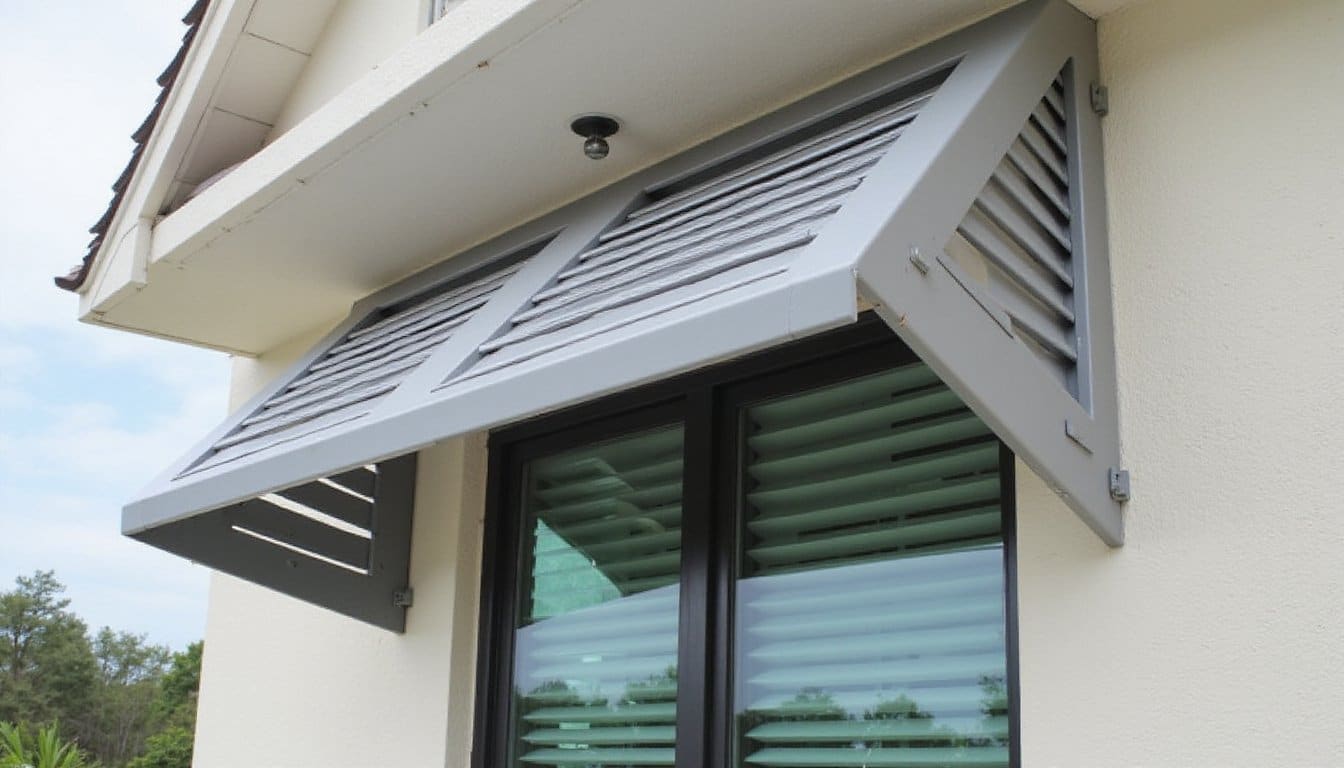
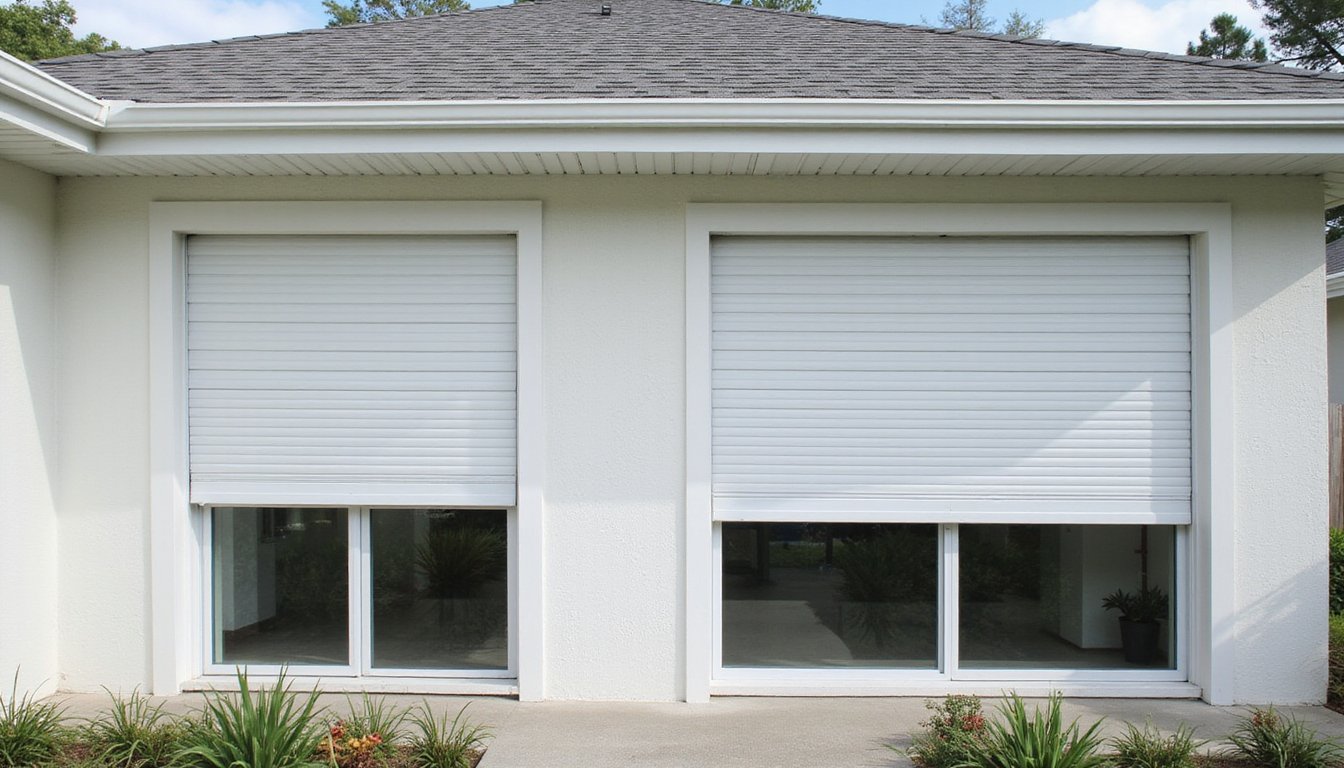
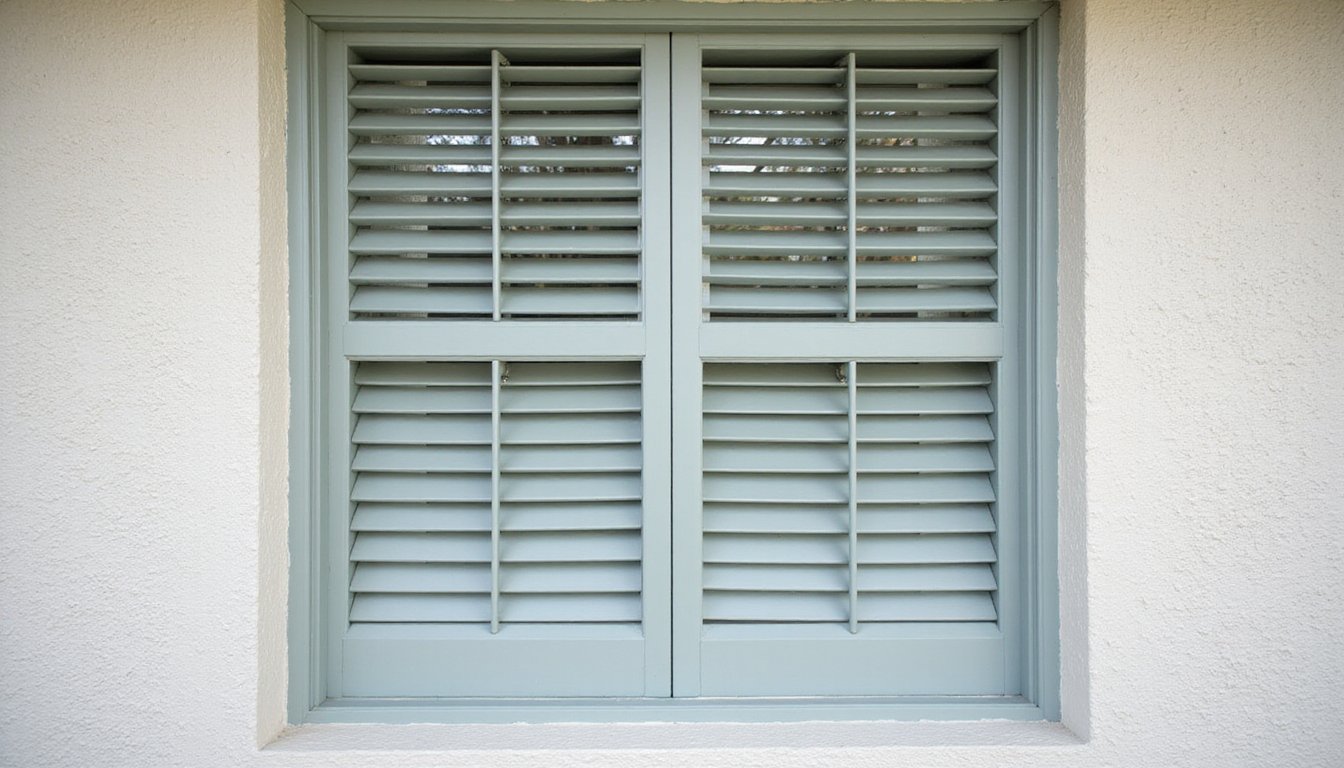
Investing in mitigation measures, like reinforcing your roof and installing storm shutters, can greatly enhance your home's resilience against severe storms.
Additionally, fostering community resilience is crucial. Collaborate with neighbors to share resources and knowledge, ensuring everyone is prepared for the worst.
As storms ramp up, your proactive approach can protect your property and loved ones.
By staying informed and taking action, you'll not only safeguard your home but also contribute to a stronger, more resilient community.
Rising Property Damage Risk
Storm intensity isn't the only concern; the increased frequency of extreme weather events is driving up property damage risk. As a homeowner, you need to be aware of the insurance implications that come with more frequent storms. Higher claim rates can lead to increased premiums, putting a strain on your finances.
The economic consequences extend beyond individual homeowners; communities face greater costs related to disaster recovery and infrastructure repairs.
Urban planning and building regulations must adapt to these new realities. By integrating climate adaptation strategies, you can help guarantee your home and community are better equipped to handle extreme weather. This also ties into environmental justice—vulnerable populations often bear the brunt of these risks, so advocating for equitable policy reforms is indispensable.
Homeowner education plays a vital role in enhancing community resilience. Understanding how to fortify your property against storms can make a difference.
Participating in local initiatives can strengthen disaster preparedness and recovery efforts. By staying informed and proactive, you're not just protecting your property; you're contributing to a more resilient future for everyone.
Vulnerabilities in Home Design
Home design often overlooks the growing risks posed by climate change, leaving many properties vulnerable to extreme weather events. You mightn't realize that traditional designs often lack the essential features needed for storm preparedness and climate resilience.
Using sustainable materials can notably enhance your home's structural integrity, making it better equipped to withstand harsh conditions.
Incorporating resilient architecture and adaptive design is essential. By focusing on energy efficiency, you can create a home that not only saves money but is also more robust against storms.
Consider adding flood-resistant features and wind-resistant designs to reduce damage from heavy rain and strong winds. Smart home technology can also play a key role in monitoring weather conditions and alerting you to potential threats.
If your home isn't built with these vulnerabilities in mind, you could face costly repairs and greater risks during extreme weather.
Investing in these elements now can make a considerable difference, ensuring your home isn't just a shelter, but a fortress against the unpredictable forces of nature.
Prioritizing these aspects now can safeguard your future.
Effective Home Protection Strategies
Protecting your property from climate-related threats requires a proactive approach that combines smart planning and strategic upgrades.
Start by investing in storm resistant materials for your home's exterior, such as impact-resistant windows and reinforced roofing. These upgrades can greatly reduce damage during severe storms.
Next, create extensive emergency preparedness plans that outline evacuation routes and communication strategies for your family.
Consider incorporating flood barrier systems around your property to mitigate water damage during heavy rainfall.
Review your insurance coverage options to verify they include protection against climate-related incidents. This step is essential for financial security in case disaster strikes.
Engaging in community resilience initiatives can also strengthen your neighborhood's overall preparedness.
Collaborate with local organizations to implement climate adaptation measures that address collective vulnerabilities.
Additionally, explore renewable energy solutions like solar panels, which can provide power during outages and reduce your overall carbon footprint.
Finally, adopt property retrofitting strategies to enhance structural integrity and energy efficiency.
Preparing for Future Storms
How can you effectively prepare for the storms of the future? Start by gathering essential storm preparedness tips.
Create emergency supply kits that include food, water, flashlights, and first aid supplies. Regularly check and update your insurance coverage to guarantee you're protected against storm-related damages. Look into home retrofitting options, such as reinforcing roofs and windows, to minimize damage.
Stay informed through reliable weather forecasting resources to track storm developments. Engage in community resilience planning by participating in local discussions about building code improvements and disaster recovery plans. These initiatives will help guarantee your neighborhood is better equipped to handle severe weather.
Don't overlook the importance of mental health support during and after storms. Having access to resources can make a significant difference for you and your community.
Additionally, consider joining or establishing neighborhood watch programs to strengthen community ties and enhance safety.
Frequently Asked Questions
How Can I Assess My Home's Risk for Future Storms?
To assess your home's risk for future storms, start by evaluating the storm frequency in your area.
Look into local historical data and trends to understand how often storms hit.
Next, conduct a risk assessment by examining your home's location, structural integrity, and vulnerability to flooding or wind damage.
Don't forget to take into account the landscaping around your house.
This proactive approach helps you better prepare and protect your home from potential storm impacts.
What Insurance Coverage Is Best for Storm-Related Damage?
When considering the best insurance coverage for storm-related damage, you should prioritize flood insurance and hurricane coverage.
Flood insurance protects your home from water damage, which standard policies often exclude. Hurricane coverage, on the other hand, specifically addresses wind damage from storms.
It's crucial to assess your risks and guarantee your policy includes both types of coverage. This way, you'll be better prepared for any storm-related challenges that may arise.
Are There Government Grants for Storm-Proofing Homes?
Yes, there are government grants available for storm-proofing homes. You can explore federal funding programs that support storm resilience initiatives.
These grants often help homeowners enhance their properties against severe weather conditions. Check with local and state agencies to find specific programs in your area.
How Can I Educate My Community About Storm Preparedness?
To educate your community about storm preparedness, start by organizing community workshops that focus on the importance of readiness.
Share preparedness resources like checklists, safety tips, and emergency plans.
Collaborate with local organizations to host events where residents can learn from experts.
Use social media to spread the word, and encourage discussions.
What Are the Long-Term Effects of Storm Damage on Property Value?
Storm damage can greatly lower your property's value due to several depreciation factors.
Repair costs often outweigh the initial investment, leading potential buyers to hesitate. If you want to maintain value, resilience planning is essential; it shows future buyers that the property can withstand storms.
Additionally, keep an eye on market trends, as areas prone to frequent storms may see more drastic declines in property values, impacting your investment long-term.
Conclusion
To sum up, as climate change continues to alter storm patterns, it's crucial to take proactive steps to protect your home. By investing in storm-resistant materials and retrofitting your property, you'll enhance its resilience against extreme weather. Don't forget to implement effective flood management and maintain your drainage systems regularly. By preparing now, you can safeguard your home and guarantee it stands strong against the growing threats posed by severe storms in the future.