
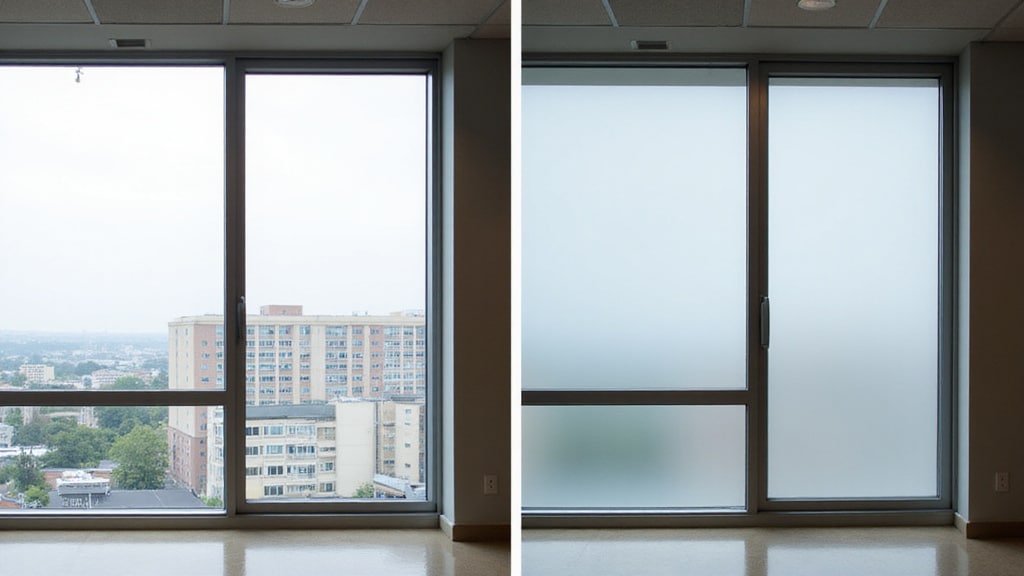
Protect your entry door by combining durable materials, smart sealing, and physical barriers. Choose fiberglass with UV-resistant coatings and light, reflective colors to minimize fading and heat absorption. Seal every gap, frame, threshold, and hinges, with high-quality silicone and weatherstripping to block moisture. Add an overhang extending about 30% of your door’s height, plus a matching storm door, for layered defense. Wash monthly and refinish yearly. Below, you’ll discover exactly how each method works.
Key Takeaways
- Choose fiberglass doors with UV-resistant coatings and light, reflective colors like white or cream to minimize fading, warping, and heat absorption.
- Seal all gaps around the frame, threshold, and hinges with high-quality silicone and weatherstripping to block moisture infiltration.
- Install an overhang or awning extending about 30% of the door’s height to shield against direct sunlight and precipitation.
- Add a storm door as a secondary barrier, and apply reflective film or shade screens to glass panels to reduce UV and heat.
- Clean the door monthly with mild soap, avoid pressure washing, and reapply hardwax oil to wood doors yearly for lasting protection.
Protecting Entry Doors From Sun and Rain
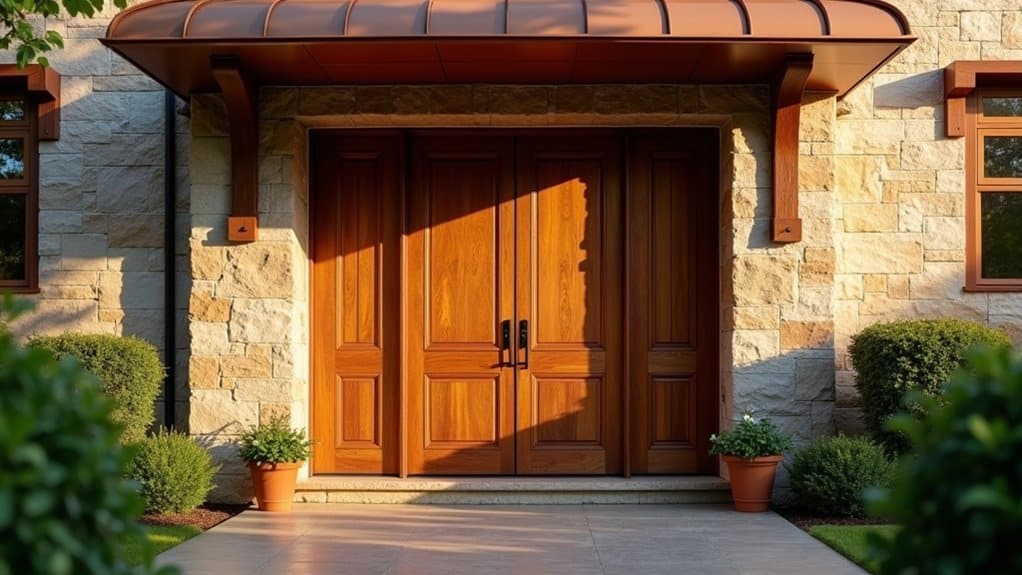
Protect entry doors from sun and rain by selecting durable materials, adding overhangs, choosing reflective colors, and sealing all gaps. Fiberglass paired with UV-resistant coatings resists fading and warping better than most alternatives, defending against UV radiation, driving rain, snow, and temperature swings that degrade finishes, warp panels, and compromise seals over time. Choose light, reflective colors like white, cream, or pastels to minimize heat absorption. For effective door weather protection, install an overhang extending roughly 30% of the door’s height to shield the surface from direct sunlight and precipitation. Adding storm doors sun rain defense creates a secondary barrier, matching material and color to your climate and main door. Seal the frame, threshold, and hinges with high-quality silicone and weatherstripping to block moisture infiltration and drafts that accelerate deterioration.
How do sun and rain damage entry doors
Sun and rain damage entry doors through distinct mechanisms, and effective entry door protection depends on recognizing each one. Ultraviolet radiation breaks down finishes and pigments, while moisture infiltrates unsealed joints and warps unstable materials.
Sun and rain attack entry doors differently, understanding each mechanism is the first step toward lasting protection.
- UV degradation: Direct sunlight fades color, cracks coatings, and dries out wood, especially on darker hues that absorb more heat.
- Heat warping: Repeated thermal expansion distorts panels and loosens seals over time.
- Water infiltration: Rain seeps through cracks around thresholds, hinges, and frames, rotting the structure.
- Compounded wear: Trapped moisture accelerates finish deterioration.
Without storm doors or shade, these forces steadily compromise your door’s integrity and appearance.
How does a storm door protect your entry door
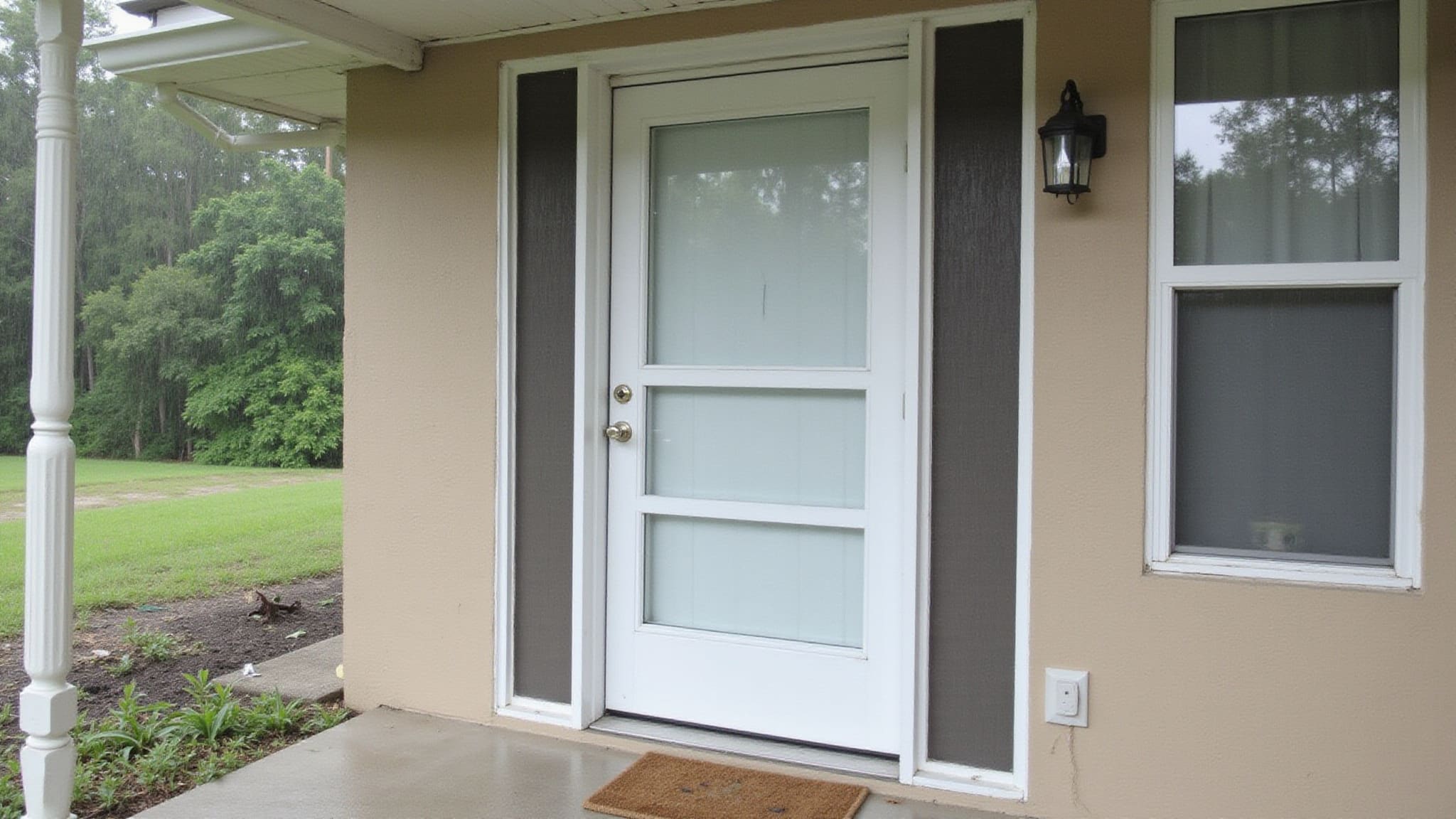
A storm door protects your entry door by adding a secondary barrier that intercepts sun and rain before they reach the primary door. This outer layer absorbs direct sunlight and deflects rainfall, sparing your main door’s finish from UV degradation and moisture infiltration. To maximize protection, match the storm door’s material and color to your climate and existing door, ensuring cohesive, effective defense. Add storm shutters or protective film to any glass panels, preventing shattering during hail or high winds. You can also hang curtains or blinds on interior glass panels for additional shading, reducing solar heat gain inside your home. By combining these protective layers, you extend your entry door’s lifespan and maintain its structural integrity against harsh weather exposure.
What other methods shield doors from the elements
Overhangs, reflective window film, shade screens, and landscaping shield your entry door from the elements. You can combine physical barriers with treatments to block UV rays, deflect precipitation, and reduce heat gain before damage occurs.
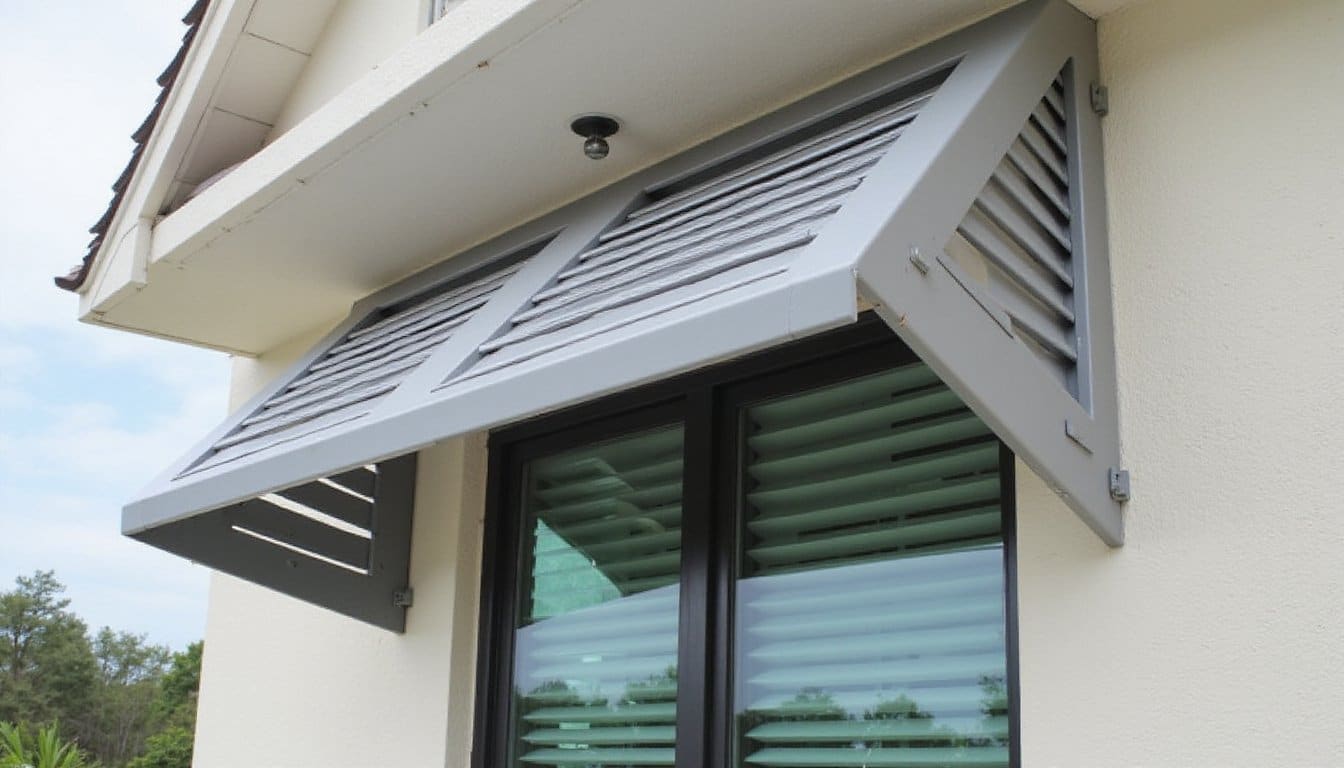
- Install an overhang or awning that extends from the wall by about 30% of the door’s height, creating adequate shelter from direct sunlight, rain, and debris.
- Apply reflective window film to glass panels to filter damaging rays and reduce heat transmission.
- Add shade screens or solar screens to block direct sunlight before it reaches the door surface.
- Plant trees or shrubs near the entrance to create natural shade barriers that reduce sun exposure.
Together, these layers extend your door’s lifespan considerably.
How do you maintain and refinish an exposed door

To maintain and refinish an exposed door, follow a consistent maintenance routine that protects it from sun and rain, which break down finishes over time. Wash the door once a month with a mild soap and water solution, using a soft cloth to lift dirt and grime that trap heat and moisture. In rainy or snowy climates, clean more often. Don’t use bleach or abrasive powders, and never pressure wash the surface, since excess moisture triggers water infiltration and finish deterioration. Reapply hardwax oil to exterior wood doors at least once a year, increasing frequency in humid or wet conditions. Lubricate hinges, locks, and moving parts annually to prevent wear. Inspect and reseal cracks around the frame, threshold, and hinges with high-quality silicone sealant to maintain the door’s protective barrier.
How do you choose the best protection for your entry door
Choosing the best protection for your entry door starts by evaluating your door’s material, orientation, and local climate, then matching protective measures to those conditions. Prioritize solutions that address your primary threat, whether that’s intense sun exposure, driving rain, or both.
- Choose durable materials: Select fiberglass with premium UV-stable coatings for superior resistance to fading and warping, and apply light, reflective colors to reduce heat gain.
- Add physical shade: Install an overhang extending about 30% of the door’s height, or a portico, awning, or storm door for layered defense.
- Seal thoroughly: Use high-quality weatherstripping and silicone sealant around the frame, threshold, and hinges to block moisture infiltration.
- Adjust surroundings: Plant shade trees and slope ground away for drainage.
Conclusion: Keeping Entry Doors Protected From the Elements
Sun and rain take a steady toll on entry doors, causing fading, warping, and wear over time, especially on exposed and west-facing entries. Adding protection like a storm door, an awning, or an overhang, and choosing durable materials such as fiberglass, keeps a door looking good and working well for longer. A little planning at the entry saves on repairs and replacements down the road. Protecting the door is a smart way to preserve both curb appeal and function.
Protect Your Entry With a Quality Storm Door
A well-designed storm door adds insulation, ventilation, and lasting protection to every entry in your home. At Innovative Storm Defense serving Palm Beach, FL, our experienced team provides trusted Storm Doors with premium materials and expert craftsmanship. Call (561) 517-9399 today and protect your home for years to come.
Frequently Asked Questions
How Much Does It Cost to Replace an Entry Door?
Costs vary widely with the material, style, glass, and hardware, from budget models to high-end fiberglass or custom doors, plus installation. A basic replacement is moderate, while premium or impact-rated doors cost more. A quote for your specific opening gives the clearest figure, and quality doors often pay off in durability and efficiency.
Can I Install a Storm Door or Awning Myself?
A confident DIYer can handle some storm door or awning installations, but a secure, weathertight fit matters, especially for wind resistance in a storm-prone area. Professional installation ensures proper mounting, sealing, and code compliance, and it protects the warranty. For exposed entries, professional installation is usually the safer choice.
How Long Do Fiberglass Entry Doors Typically Last?
Fiberglass entry doors are known for durability and can last several decades with proper care, often outlasting wood in harsh sun and humidity. They resist warping, rotting, and denting well. Keeping the finish and seals maintained helps a fiberglass door reach its full lifespan, which makes it a popular choice in demanding climates.
Are There Building Permits Required for Installing Awnings?
Sometimes. Many areas require a permit for permanent awnings, and there may be wind-load or HOA rules, especially in coastal and high-wind zones. Requirements vary by location, so it is best to check with your local building department before installing. A professional installer can also advise on and handle permits.
What Warranty Options Are Available for Exterior Doors?
Exterior doors typically come with manufacturer warranties covering the door and sometimes the finish and hardware, with terms varying by brand and material. Some warranties require professional installation to stay valid. It is worth comparing coverage length and what is included before buying, and keeping your paperwork for any future claim.