
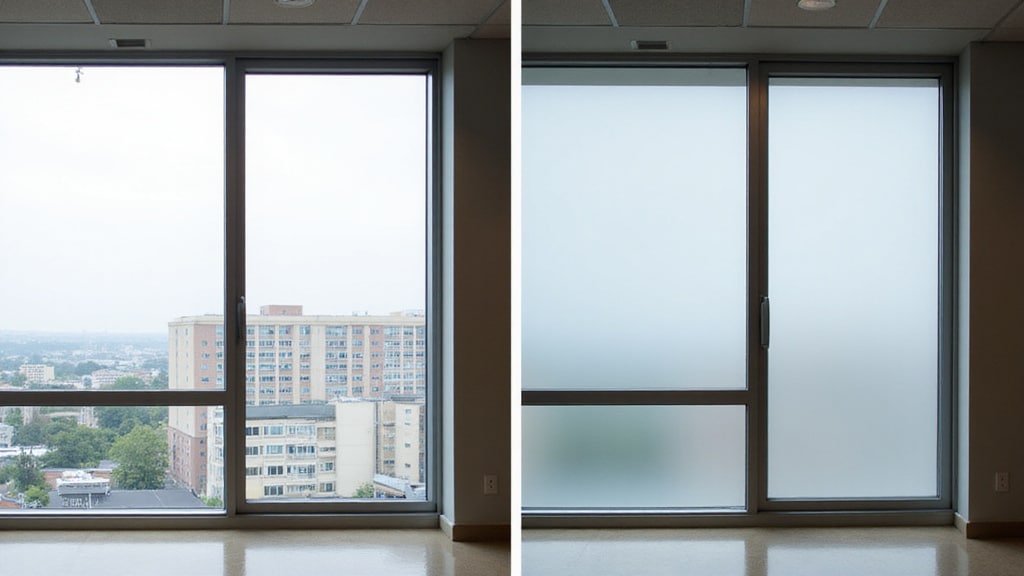
Low-E glass storm doors reject heat using a microscopically thin metallic oxide film that reflects infrared heat back toward its source. You’ll filter 40% to 70% of the heat that passes through standard window glass, dropping the SHGC by 17% to 28%. That reflective performance cuts your heating and cooling costs by 10% to 30% while blocking up to 71% of UV radiation. Understanding how this coating works reveals even more performance advantages.
Key Takeaways
- A microscopically thin metallic oxide film reflects infrared heat back toward its source, filtering 40% to 70% of transmitted heat.
- Low-E coatings lower the Solar Heat Gain Coefficient by 17% to 28% compared to clear glass.
- Heat rejection improves U-factor by 43% to 57% over standard double-pane configurations, cutting heating and cooling costs 10% to 30%.
- Low-E glass blocks up to 71% of UV radiation, reducing fading of carpets, furnishings, and hardwood floors.
- Avoid Low-E storm doors on north-facing entries or where more than two hours of direct daily sun causes trapped heat buildup.
How do Low-E glass storm doors reject heat
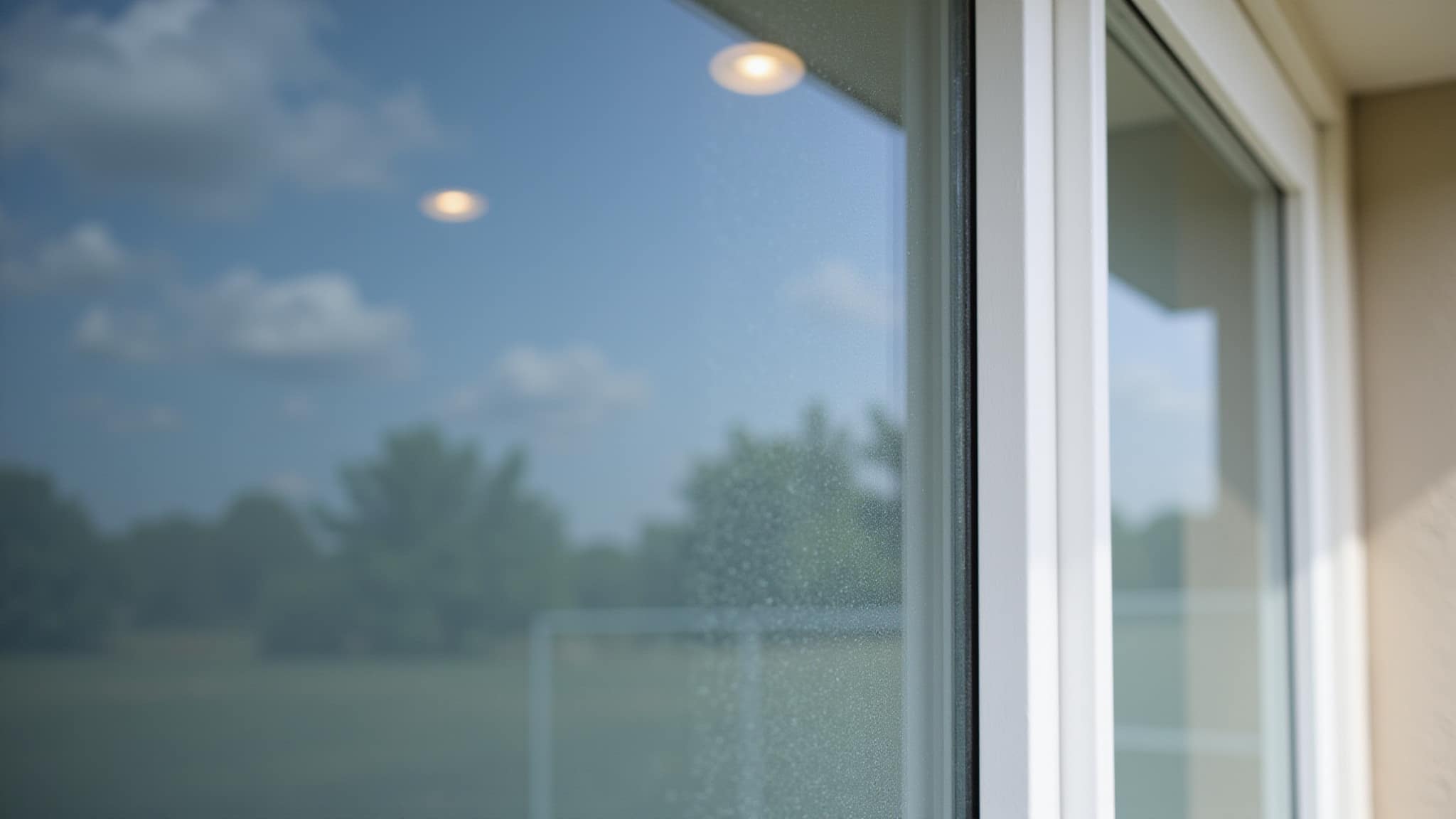
Low-E glass storm doors reject heat through a microscopically thin metallic oxide film, typically tin or silver, that reflects radiant heat back toward its source. This transparent coating reflects infrared heat rather than absorbing it, filtering 40% to 70% of the heat normally transmitted through standard window glass. You’ll also benefit from roughly 30% UV reflection, reducing heat accumulation between doors.
Storm door heat rejection improves measurably: Low-E panels cut the Solar Heat Gain Coefficient (SHGC) by 17% to 28% compared to clear glass. Over double-pane configurations, they reduce U-factor by 43% to 57%, versus 32% to 45% for clear panels.
Energy-efficient storm doors deliver this performance passively, though you’ll see reduced efficacy on East or West faces receiving direct, unshaded sunlight. Retractable screen storm doors can enhance your home’s ventilation while keeping insects at bay. They provide an ideal solution for enjoying fresh air without the hassle of pests.
What is Low-E glass and how does it work
Low-E glass is a window glass coated with a microscopically thin metallic oxide film, typically tin or silver, that acts as a transparent, spectrally selective layer. This coating reflects infrared heat back toward its source rather than absorbing it, so you get precise temperature control without sacrificing visible light. In summer, Low-E glass filters 40% to 70% of the heat that standard window glass normally transmits, and it reflects roughly 30% of incoming UV rays. The film reduces the Solar Heat Gain Coefficient (SHGC) by 17% to 28% compared to clear glass. Because Low-E storm doors reflect radiant energy outward, they lower heat buildup between the storm door and entry door. That reflective performance is what makes Low-E glass function like a thermos across seasons.
How does Low-E glass reject heat on a storm door
Low-E glass rejects heat through a microscopically thin metallic oxide coating of tin or silver that reflects radiant heat back toward its source rather than absorbing it. Heat rejection starts the moment sunlight hits your storm door’s coating. You’ll see roughly 30% of UV rays bounced away, while the coating filters 40% to 70% of the heat that standard glass normally transmits. The Solar Heat Gain Coefficient drops 17% to 28% compared to clear glass, so less thermal energy passes through. Because the coating operates as a transparent infrared reflector, you keep radiant heat outside during summer without sacrificing visibility. Over double-pane windows, Low-E panels cut the U-factor by 43% to 57%, versus just 32% to 45% for clear panels. That’s measurable, performance-driven heat rejection working continuously at your entrance.
What are the benefits of a Low-E glass storm door
A Low-E glass storm door cuts heating and cooling costs by 10% to 30%, thanks to a metallic oxide film that filters 40% to 70% of transmitted heat and reduces SHGC by 17% to 28%. Over double-pane windows, you’ll improve U-factor by 43% to 57%. You’ll keep entrance door handles cooler, preventing “too hot to handle” conditions, while protecting your door’s finish and hardware from heat degradation. You’ll block up to 71% of UV radiation, reducing fading of carpets, furnishings, and hardwood floors. Inside glass surfaces stay warmer in winter, dramatically lowering condensation risk. The coating retains interior energy like a thermos, keeping cool air cool and warm air warm, while easing the load on your cooling system year-round.
How does Low-E glass compare to standard glass
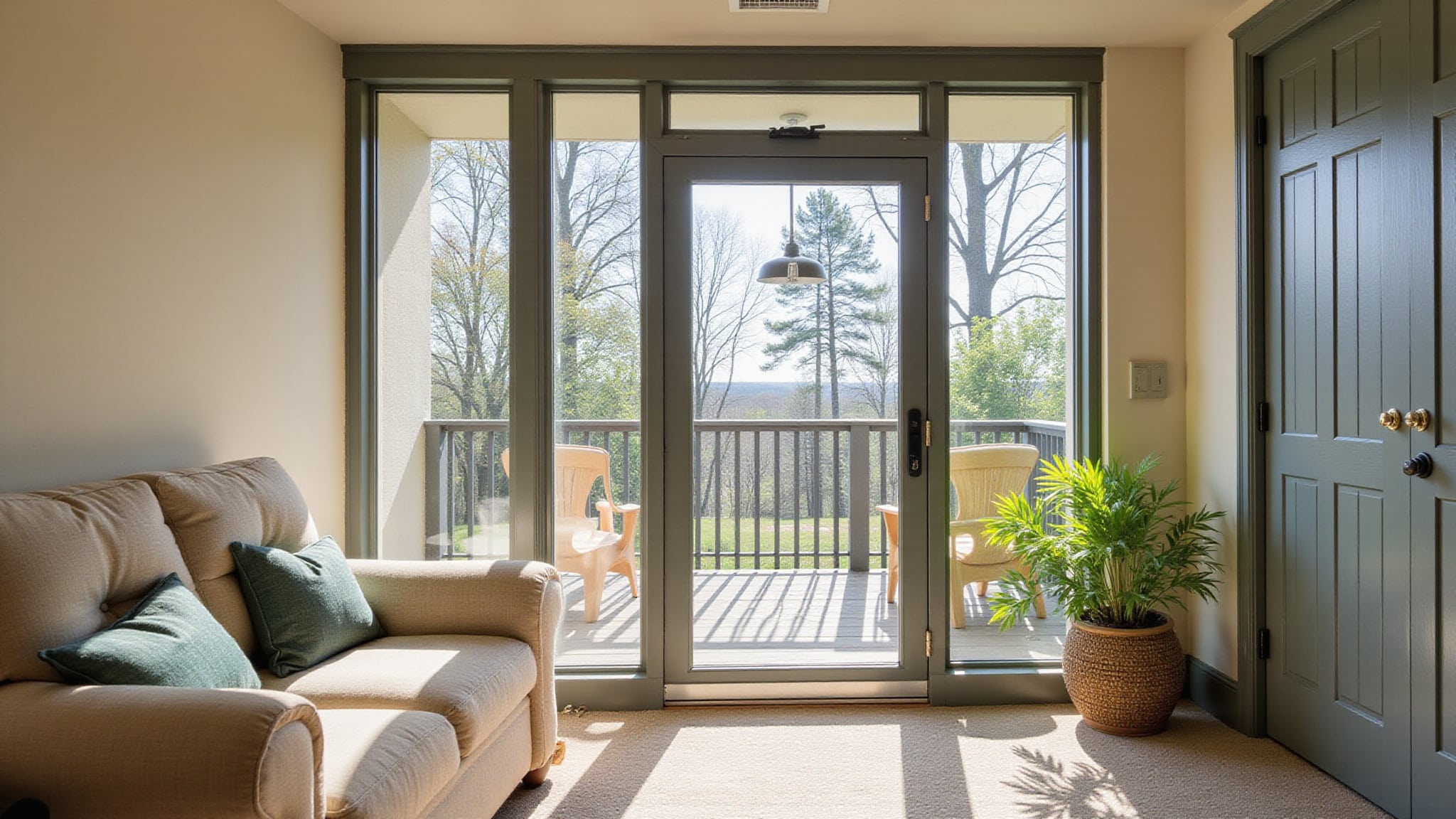
Low-E glass outperforms standard clear tempered glass by a significant margin. Standard clear tempered glass blocks just 14% of solar radiation as heat and allows 71% UV passage. Low-E coatings filter 40% to 70% of transmitted heat and cut UV penetration through the metallic oxide film. The differences appear across key metrics:
| Performance Metric | Comparison |
|---|---|
| U-factor reduction (double-pane) | Low-E: 43, 57% vs. Clear: 32, 45% |
| SHGC reduction | 17, 28% lower with Low-E |
| UV reflection | ~30% with Low-E |
| Solar heat blocked | Clear blocks only 14% |
Low-E reflects infrared heat back toward the source rather than absorbing it. Standard glass simply can’t match this thermal control, driving Low-E’s superior efficiency.
How do you choose a Low-E glass storm door
Choose a Low-E glass storm door based on your door’s orientation and daily sun exposure. If your door faces North, skip Low-E, there’s no direct solar exposure to justify the cost. For East or West faces, expect reduced passive heat rejection, since these can still reach 115, 125°F between doors without shade. In fact, doors receiving more than two hours of direct sun daily generally warrant avoiding storm door installation altogether. Air gap benefits for storm doors can significantly enhance energy efficiency by providing an additional barrier against extreme temperatures. This added insulation helps maintain a more stable indoor climate, reducing the need for heating and cooling systems to work overtime.
Prioritize top glass vents, which let trapped heat escape while preserving Low-E benefits. Confirm the coating reduces SHGC by 17% to 28% and U-factor by 43% to 57% over double-pane windows. Weigh the higher upfront cost against 10% to 30% energy savings, and schedule professional installation to ensure correct fitting and maximum efficiency.
Conclusion: The Benefits of a Low-E Glass Storm Door
A low-E glass storm door adds a layer of energy efficiency to an entryway by reflecting heat and reducing solar gain, which helps keep interiors comfortable and protects the main door. In a sunny climate, that heat rejection can ease cooling loads and prevent the entry door from overheating. Combined with the protection a storm door already provides, low-E glass makes a practical, efficient upgrade for many homes.
Call Today and Upgrade to a Smarter Entry Door
From Low-E glass to retractable screens, modern storm doors bring style, safety, and everyday functionality together. At Innovative Storm Defense serving Wellington, FL, our skilled team delivers dependable Storm Doors designed for Florida’s toughest weather. Call (561) 517-9399 today and book your free consultation.
Frequently Asked Questions
How Much Do Low-E Glass Storm Doors Typically Cost to Install?
They cost more than basic storm doors because of the coated glass, with pricing varying by size, frame material, and features. Installation adds to the total. Getting a quote for your specific entryway gives the clearest figure, and the energy savings and added door protection help offset the higher upfront cost over time.
Can I Install a Low-E Glass Storm Door Myself?
A handy homeowner can install some storm doors, but a proper, weathertight fit matters for performance and to avoid drafts or leaks. Professional installation ensures the door is square, sealed, and operating correctly, and it protects any warranty. For the best result, especially on an exposed entry, professional installation is the safer choice.
How Long Do Low-E Glass Storm Doors Last?
A quality storm door can last 15 to 20 years or more with proper care, and the low-E coating is durable when kept clean and undamaged. Hardware and seals wear over time like any door. Choosing a well-made door and maintaining it helps both the door and its coating last for many years.
Do Low-E Glass Storm Doors Require Special Cleaning or Maintenance?
Not much. Clean the glass with a soft cloth and a mild, non-abrasive cleaner, avoiding harsh or abrasive products that could dull the coating. Keep the frame, hinges, and sweep in good order. This simple upkeep keeps the low-E glass performing and the door working smoothly.
Are Low-E Glass Storm Doors Worth It for North-Facing Entryways?
They can still help, though the benefit is greatest on sun-exposed entries. North-facing doors get less direct sun, so the heat-rejection gain is smaller, but low-E glass still improves insulation and comfort. For a north-facing entry, it is a reasonable choice if efficiency and protection are priorities, even if the payback is more modest.