
Your storm door insulates by trapping a pocket of still air between it and your entry door. That trapped air resists heat transfer because it can’t circulate freely, slowing conduction, convection, and radiant loss. For best performance, you’ll want a gap between 1/2 and 1 inch. Too narrow and conduction dominates; too wide and air starts circulating. Keep both doors sealed to hold the benefit. There’s more to sizing and maintaining it right.
Key Takeaways
- Storm door insulation works by trapping a pocket of still air between the storm door and the primary entry door.
- Still air resists heat transfer by limiting conduction, convection, and radiant loss across the sealed gap.
- The ideal air gap measures between 1/2 and 1 inch, creating the “sweet spot” for effective insulation.
- Gaps over 2 inches let air circulate freely, while under 1/2 inch increases conduction-dominated heat loss.
- Maintaining perimeter seals, tightening hinges, and checking weatherstripping keeps the air still and preserves insulating performance.
The Air Gap That Insulates Storm Doors
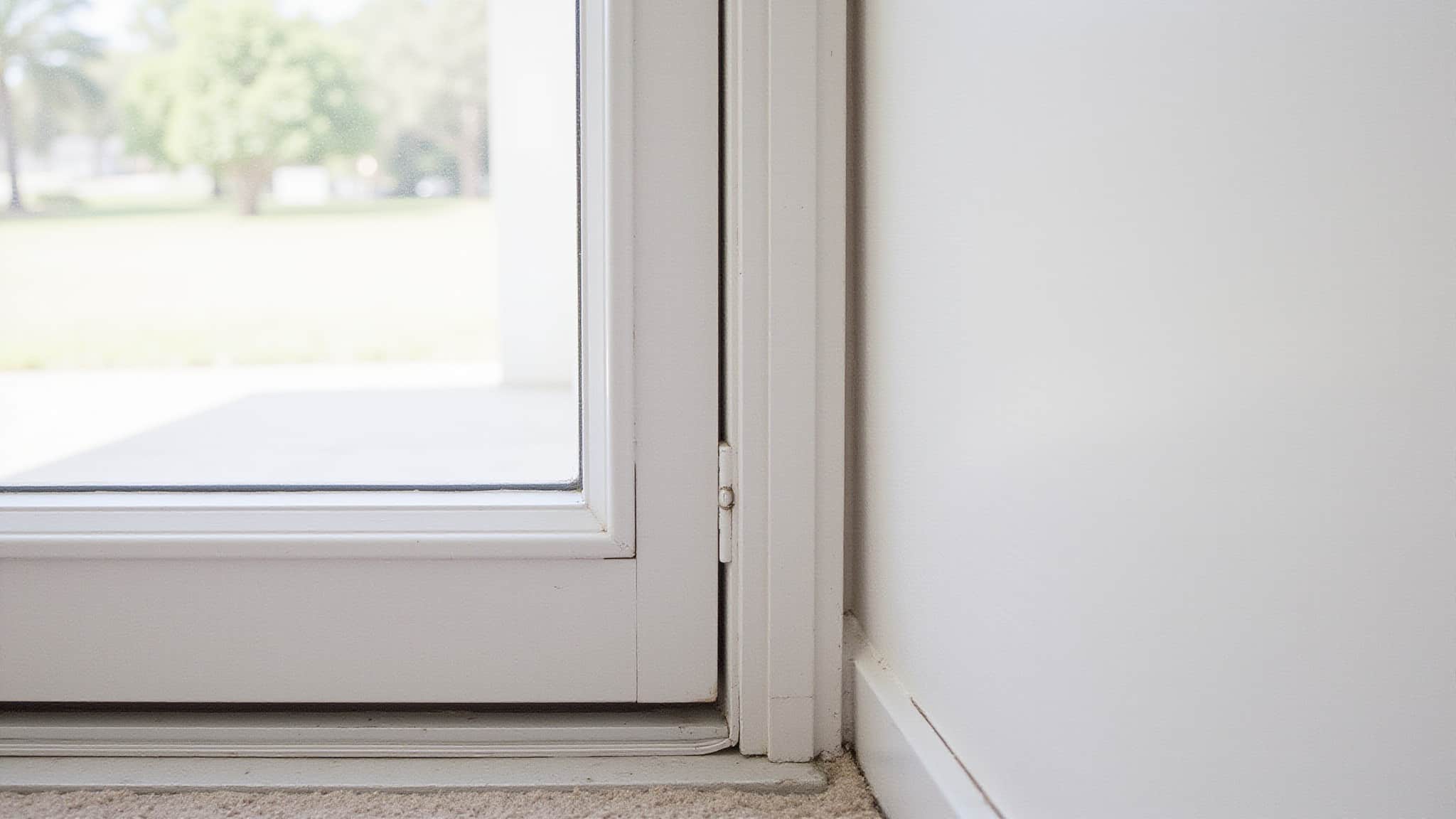
A storm door insulates by trapping a pocket of air between it and your entry door, and that air gap is what does the insulating work. The storm door air gap functions like the space inside a double-pane window: the still air resists heat transfer because it can’t circulate freely. The trapped layer slows conduction between your heated interior and the cold exterior. That’s the core of storm door insulation. But the system only works if you maintain the seal. Gaps around the frame, hinges, or threshold let outside air infiltrate the pocket, disrupting the still-air barrier. When drafts breach that space, your insulating air gap loses its effectiveness, and heat escapes.
What is the insulating air gap in a storm door
The insulating air gap in a storm door is the sealed pocket of still air trapped between your storm door and your entry door. This layer of trapped air functions as thermal insulation, slowing heat transfer between your home’s interior and the outside environment. Because still air resists conduction and convection, it reduces the rate at which warmth escapes in winter or enters in summer.
Storm doors create this buffer zone only when both doors seal properly and no drafts disrupt the trapped air. Gaps around hinges, frames, or thresholds break the seal, letting air move and eliminating the insulating effect.
Among the storm door benefits, this air gap delivers measurable energy savings, protects your primary door, and stabilizes indoor temperatures when you maintain tight seals. Storm door ventilation also enhances air circulation, allowing fresh air to enter while keeping out unwanted drafts.
How does the air gap reduce heat transfer
An air gap reduces heat transfer because still air conducts heat poorly, so the trapped layer between your two doors slows every mode of heat transfer working against you. Conduction drops first: air’s low thermal conductivity means heat can’t move easily from your warm interior door to the cold storm door. You also limit convection, since the gap stays narrow enough to keep the air relatively still, preventing circulating currents that would otherwise carry heat across the space. The two door surfaces further reduce radiant loss, each reflecting and re-emitting energy back rather than letting it escape freely. Together, these effects raise your assembly’s overall R-value without adding bulk. Keep the gap sealed and the doors properly aligned, and you’ll preserve this insulating buffer through every season’s temperature swings. The benefits of low-e glass are significant in enhancing energy efficiency by minimizing heat transfer. By reflecting infrared light, low-e glass helps keep heat inside during winter and outside during summer.
What is the ideal air gap size for insulation
The ideal air gap for insulation falls between 1/2 and 1 inch, where trapped air resists heat flow most effectively. Sizing that gap correctly determines whether you get the insulating benefit or lose it to convection. Too narrow, and you don’t trap enough air to slow heat transfer. Too wide, and the air inside starts circulating, creating convection currents that carry heat across the space instead of blocking it. You’re aiming for a range that maximizes still air without triggering movement.
Trapped air insulates; moving air betrays you. The gap you leave decides which one you get.
- Under 1/2 inch: Insufficient dead-air space; conduction dominates and you lose efficiency.
- 1/2 to 1 inch: The sweet spot where trapped air resists heat flow effectively.
- 1 to 2 inches: Still workable, but convection risk climbs as the gap widens.
- Over 2 inches: Air circulates freely, undermining the insulation you’re trying to create.
Measure precisely.
How does the air gap improve energy efficiency
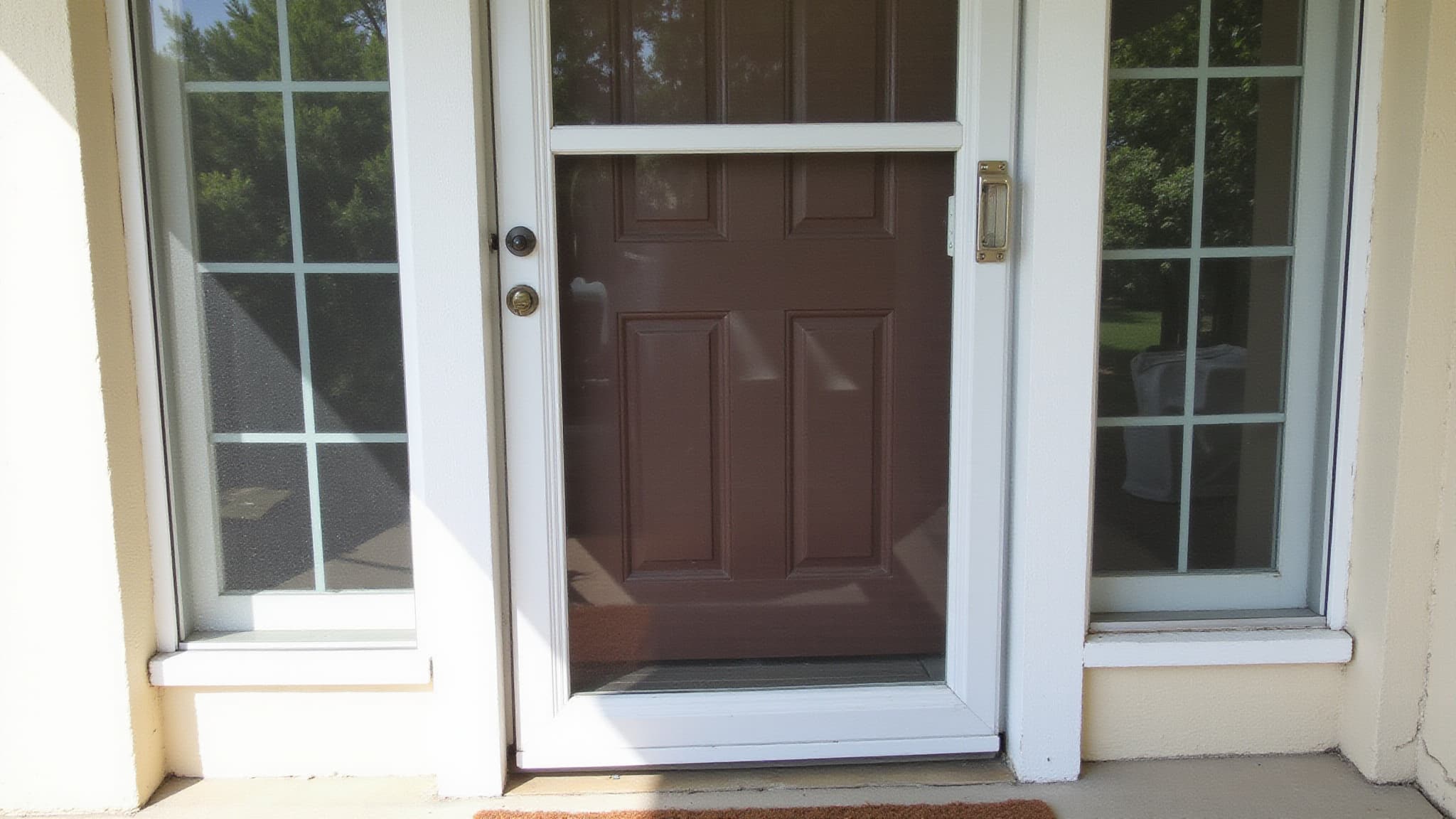
The air gap improves energy efficiency because the trapped air blocks heat transfer. Air is a poor conductor, so the still layer between your storm door and primary door slows conduction. Heat can’t move easily through the gap, which reduces the energy your heating or cooling system loses at the entryway.
You’ll notice the air must stay still to work. When gaps around the frame let air circulate, convection currents carry heat across the space, defeating the insulating effect. That’s why you seal the perimeter but keep the central air pocket intact.
This trapped layer also cuts drafts and condensation. By stabilizing the temperature between both doors, you lower your energy bills and keep the interior surface warmer, preventing moisture buildup. Outdoor door protection ensures that your home remains comfortable throughout the year. It serves as an effective barrier against external elements, which can lead to energy loss.
How do you maintain the air gap for best performance
Maintain the air gap by periodically checking every screw and hinge, since loose components let the door shift and open gaps that break the seal. Tighten hinge screws at the first sign of sag, and replace worn screws with slightly larger ones to restore grip. Keep the frame clean so debris doesn’t interfere with alignment.
- Inspect and tighten all hinge and frame screws on a set schedule.
- Clear dirt and debris from the threshold and frame edges regularly.
- Check weatherstripping for tears or dents, and replace damaged sections.
- Apply a protective coating to shield the door and frame from elemental damage.
When DIY adjustments fail to close persistent gaps, call a professional to correct structural or hinge problems.
Conclusion: How Storm Doors Insulate Through an Air Gap
A storm door improves insulation largely through the pocket of still air it creates between itself and the main door, which slows heat transfer and blocks drafts. That benefit depends on good seals, so gaps, sagging, or worn weatherstripping let the advantage leak away. Keeping the door aligned and sealed keeps the air gap doing its job. A well-maintained storm door is a simple, effective way to add comfort and efficiency at an entryway.
Protect Your Entry With a Quality Storm Door
A well-designed storm door adds insulation, ventilation, and lasting protection to every entry in your home. At Innovative Storm Defense serving Palm Beach, FL, our experienced team provides trusted Storm Doors with premium materials and expert craftsmanship. Call (561) 517-9399 today and protect your home for years to come.
Frequently Asked Questions
What Causes Gaps to Form Between a Storm Door and Frame?
Gaps usually come from a door that has sagged or shifted, worn or compressed weatherstripping, loose hinges, or a frame that has moved with the house. Temperature swings and heavy use accelerate this. The result is drafts and lost efficiency. Spotting and addressing the cause early keeps the door sealing and the air gap effective.
How Do You Fix a Sagging Storm Door?
A sagging door can often be corrected by tightening or adjusting the hinges, adding or shimming screws at the top hinge, and making sure the frame is square. If the closer or hardware is worn, replacing it helps. For persistent sagging or a warped frame, it is worth having a professional realign or reset the door.
What Weatherstripping Options Work Best for Sealing Storm Door Gaps?
Common options include adhesive-backed foam, V-strip, and rubber or vinyl gaskets, each suited to different gap sizes and locations. Rubber and vinyl gaskets are durable for the main perimeter, while foam suits smaller gaps. Choosing weatherstripping sized to the gap, and replacing it when worn, keeps the seal tight and the air gap working.
How Do You Install a Door Sweep for Bottom Gaps?
Measure the door width, cut the sweep to size if needed, then attach it along the bottom so it just touches the threshold without dragging. Many sweeps screw or clip on and are adjustable for height. A properly set sweep closes the bottom gap, stops drafts, and helps the storm door seal completely.
When Should You Call a Professional for Storm Door Problems?
Minor adjustments and weatherstripping are manageable for many homeowners, but call a professional if the door is badly warped, the frame is out of square, the closer keeps failing, or gaps persist after basic fixes. A professional can realign, reseal, or replace components properly, restoring the door’s seal and the insulating air gap.