
A storm door sweep seals the 4, 6 mm gap where your exterior door meets the threshold. You attach this strip of vinyl, rubber, or bristle to the door’s bottom edge, and it presses against the threshold when you close the door. It blocks cold drafts, rain, snow, dust, and pests at floor level. You’ll cut heating costs, protect your flooring, and reduce noise. Below, you’ll find everything you need to pick and install one.
Key Takeaways
- Seals the 4, 6 mm gap between an exterior door and its threshold at floor level.
- Blocks cold drafts and air leakage, cutting heating and cooling costs.
- Keeps out rain, snow, moisture, and dust that can damage flooring.
- Excludes pests like mosquitoes, flies, and rodents by sealing their entry point.
- Improves energy efficiency and reduces outside noise for a more comfortable home.
What is the purpose of a storm door sweep
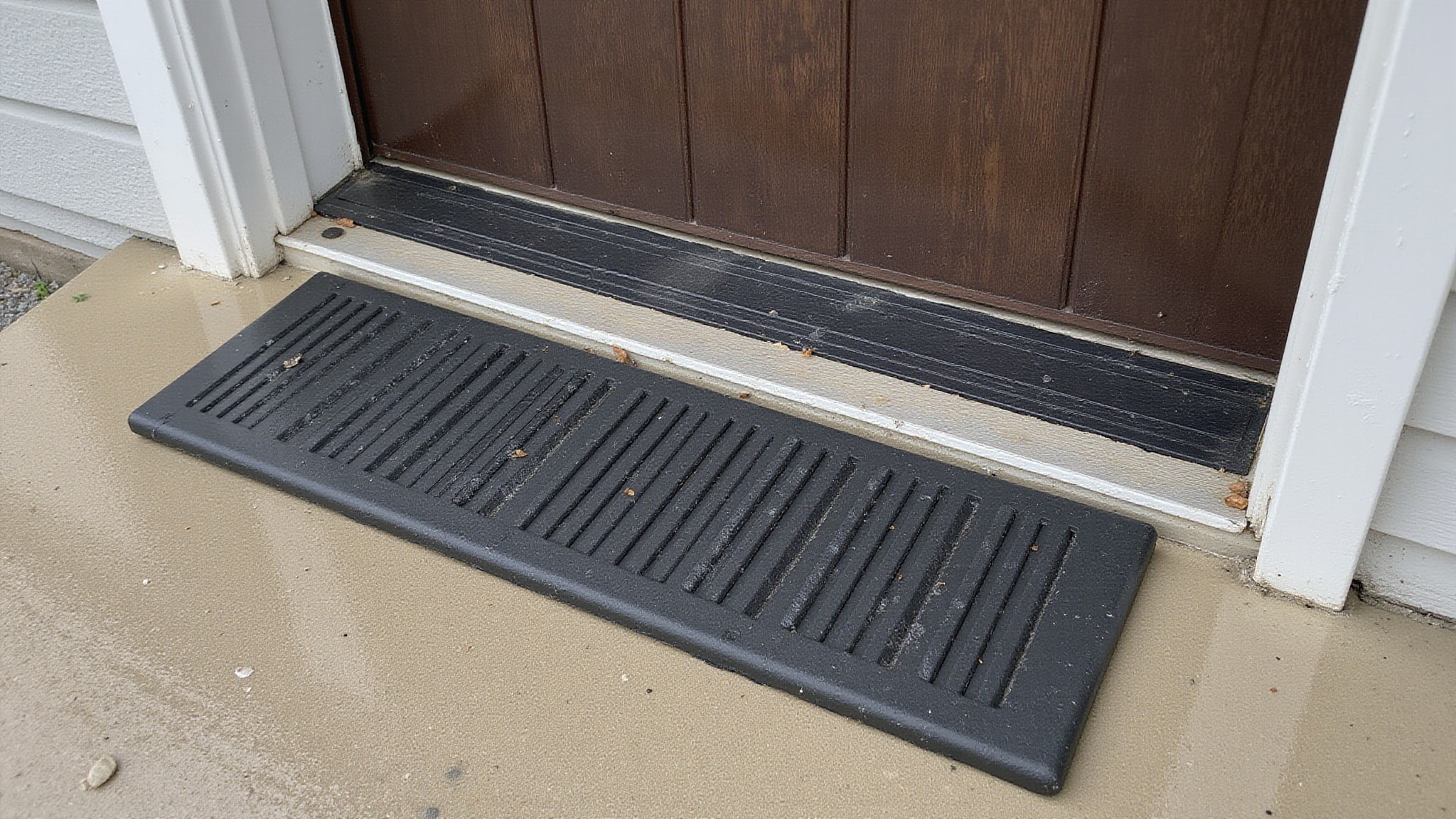
A storm door sweep seals the 4, 6 mm gap at the bottom of your exterior door where most air leakage occurs. This gap lets cold drafts, rain, blowing snow, dust, and pests slip inside. The storm door sweep purpose centers on sealing that opening to create a tight barrier against the elements.
Unlike other storm door parts, a door sweep works at floor level, where the threshold and door meet. When you install one, you’ll block steady cold airflow, stop water infiltration that causes flooring damage, and keep insects and rodents out. Paired with side and top weatherstripping, it delivers a fully air-tight, moisture-resistant seal you can rely on.
What is a storm door sweep
A storm door sweep is a strip of weatherproof material, typically vinyl, rubber, or bristle, attached along the bottom edge of your exterior door. It closes the 4, 6 mm gap between your door and the threshold, where most air leakage and moisture entry happen. You’ll find these sweeps mounted directly to the door’s lower edge, where they press against the threshold when the door shuts, forming a tight seal. Retractable screens provide a convenient way to enjoy fresh air without letting in unwanted pests. The features of retractable screens often include ease of installation and a variety of styles to match your home’s aesthetics.
Storm doors rely on this component to block drafts, water, insects, and debris that would otherwise pass through that gap. The sweep’s flexible material adapts to minor threshold irregularities, maintaining consistent contact across the door’s width. Improving air circulation is essential for maintaining a comfortable indoor environment. Proper airflow helps in regulating temperature and reducing humidity levels.
You install a storm door sweep to complete the sealing system, working alongside side and top weatherstripping for full coverage.
How does it work
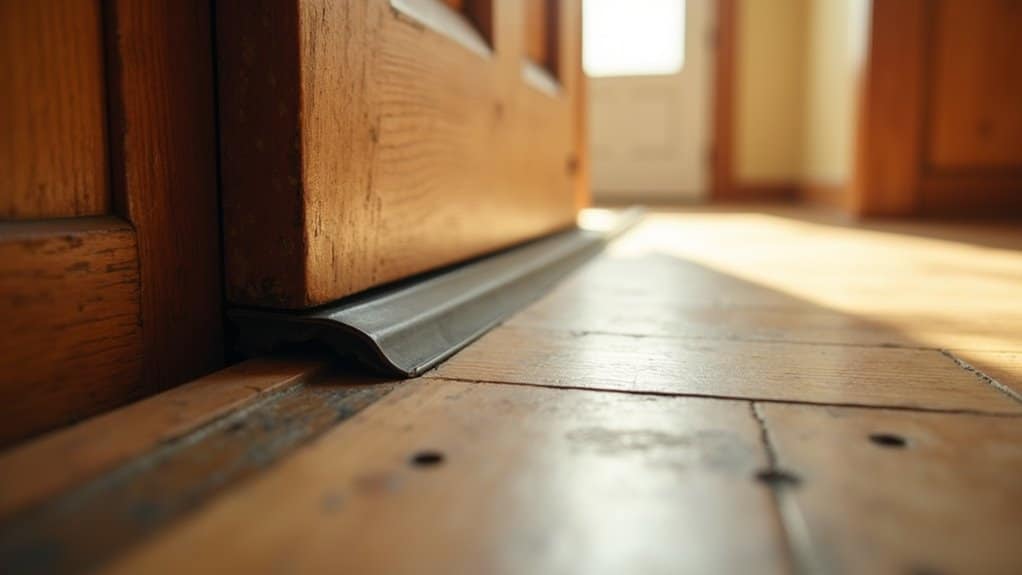
The sweep works through simple mechanical contact. When you close your door, the sweep’s flexible material presses against the threshold, sealing the 4, 6 mm gap where most air leakage occurs. This physical barrier blocks the steady flow of cold air, rain, and pests that would otherwise slip beneath the door.
You’ll find the sweep attaches to the door’s bottom edge, positioning its seal to make firm contact with the threshold below. As the door swings shut, the material compresses slightly, filling irregularities in the gap for a tight fit.
This continuous seal works alongside your side and top weatherstripping, completing the door’s air-tight envelope. The result is reduced drafts, blocked moisture, excluded insects, and lower energy costs, all from one straightforward mechanical solution. Protective coatings for entry doors enhance the longevity and durability of your door, ensuring it withstands the elements. They provide an additional layer of defense against scratches and environmental damage.
What are the benefits of having one
A storm door sweep delivers six measurable benefits, each addressing a specific problem at the door-threshold gap. First, it eliminates the 4, 6 mm gap where most air leakage occurs, blocking cold drafts and cutting your heating and cooling costs. Second, it stops rain, snow, and moisture from infiltrating under the door, protecting your flooring. Third, it excludes pests, mosquitoes, flies, and rodents, by sealing their entry point. Fourth, it boosts energy efficiency, keeping your bills low through better weatherproofing. Fifth, it reduces outside noise, making your indoor space quieter and more comfortable. Sixth, it protects your door from water intrusion that can cause rot within a couple years, extending its lifespan. Together, these benefits give you a tighter, more durable, cost-effective seal.
What types are available
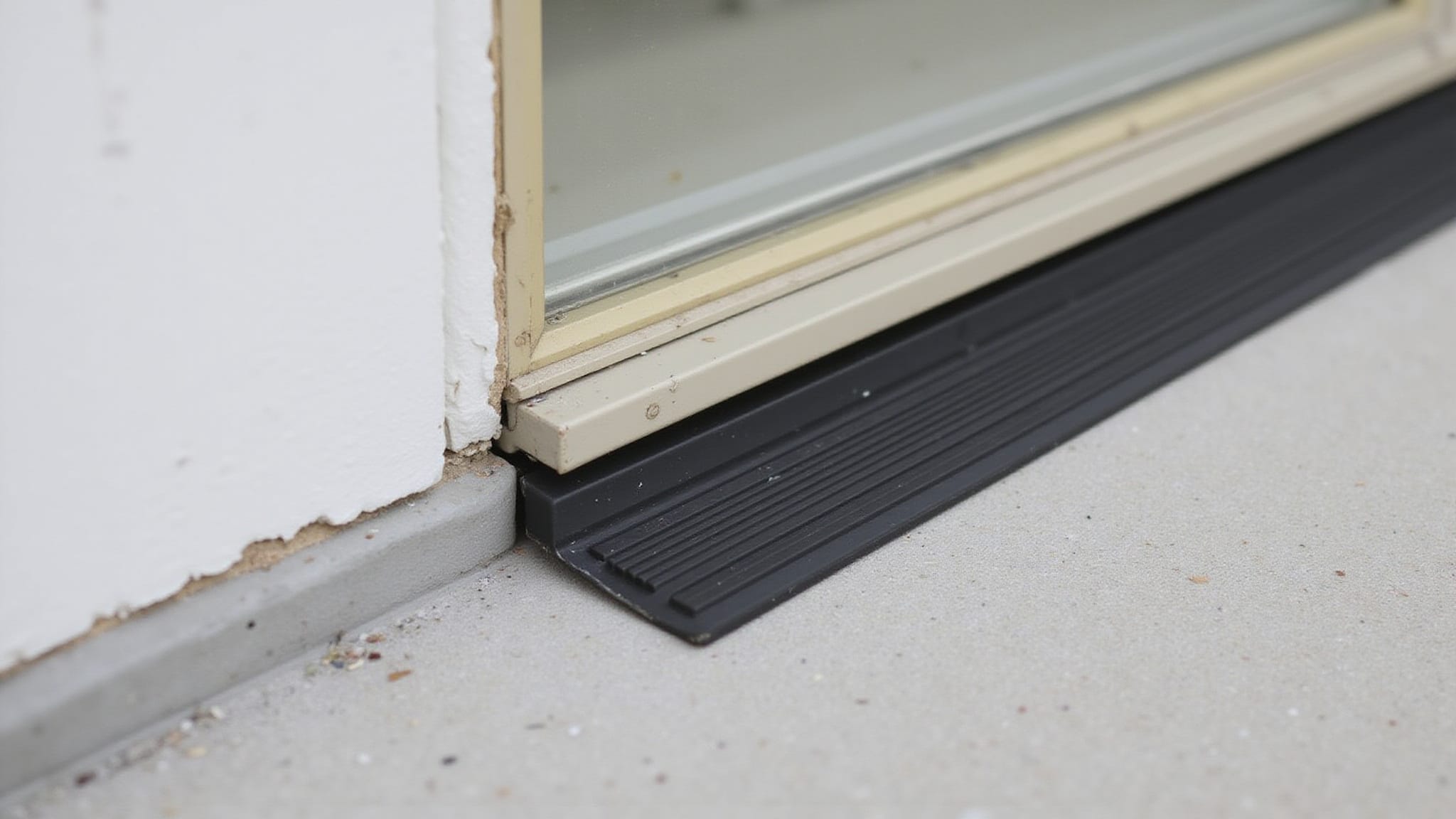
Five door sweep types are available: U-shaped slide-on, screw-on flat, adhesive strip, automatic drop-down, and bristle brush. Each style targets specific gap sizes and installation surfaces, so match the design to your setup for a tight, air-sealing fit.
| Sweep Type | Best Application |
|---|---|
| U-shaped slide-on | Quick fit over the door bottom edge |
| Screw-on flat | Uneven thresholds needing adjustable height |
| Adhesive strip | Smooth surfaces and fast, tool-free installs |
| Automatic drop-down | Uneven floors requiring clearance when opening |
| Bristle brush | Rough or textured thresholds |
Measure your 4, 6 mm gap first, then choose accordingly. Vinyl and rubber blades handle moisture and drafts well, and brush styles excel at sealing irregular gaps without dragging on the floor.
How do you install or replace a storm door sweep
Install or replace a storm door sweep by removing the old one, measuring and cutting a new sweep to size, and attaching it so it seals against the threshold. Gather your tools: a tape measure, utility knife, hacksaw or tin snips, and a drill for screw-on models. Remove the old sweep by unscrewing it or peeling off the adhesive strip, then clean the door bottom thoroughly. Measure the door’s width and mark your new sweep for cutting. Trim it to length with your hacksaw or tin snips, ensuring a clean, square cut.
For slide-on sweeps, slip the channel over the door’s bottom edge. For screw-on types, position the sweep so it lightly contacts the threshold, then drill pilot holes and secure it. Test by opening and closing the door; the seal should touch the threshold without dragging. Adjust the height until you eliminate that gap completely.
How do you choose the right one
Choose the right storm door sweep by matching the sweep type to your door’s construction and the gap you need to seal. Measure the door width and the gap between the door bottom and threshold. Most gaps run 4, 6 mm. Then evaluate these factors:
- Material: Choose vinyl, silicone, or rubber for flexible sealing, or brush-style bristles for uneven thresholds.
- Mounting style: Select screw-on, slide-on, or adhesive sweeps based on your door’s material and thickness.
- Gap size: Match sweep height to your measured gap for a tight seal without dragging.
- Climate: Pick weather-resistant materials that withstand rain, snow, and temperature swings.
Confirm the sweep length matches your door width, trimming if needed for a precise, air-tight fit.
Conclusion: Why a Good Storm Door Sweep Matters
A storm door sweep is a small part with a big job, sealing the gap at the bottom of the door to keep out drafts, rain, dust, and insects. When it wears out or drags, it stops sealing well and lets energy and weather in. Replacing a worn sweep is quick and inexpensive, and it keeps a home more comfortable and efficient. Keeping the sweep in good shape is an easy way to protect the seal a storm door provides.
Protect Your Entry With a Quality Storm Door
A well-designed storm door adds insulation, ventilation, and lasting protection to every entry in your home. At Innovative Storm Defense serving Palm Beach, FL, our experienced team provides trusted Storm Doors with premium materials and expert craftsmanship. Call (561) 517-9399 today and protect your home for years to come.
Frequently Asked Questions
How Often Should a Storm Door Sweep Be Replaced?
It depends on use and exposure, but many sweeps last a few years before the material stiffens, cracks, or wears down. Signs it needs replacing include visible gaps, drafts, or the sweep no longer touching the threshold. Checking it once or twice a year and replacing it when worn keeps the door sealing well.
Can I Clean a Storm Door Sweep, and How?
Yes. Wipe it with a damp cloth and mild soap to remove dirt and grit, which can otherwise cause it to drag or wear faster. Clearing debris from the threshold underneath helps too. Regular cleaning keeps the sweep flexible and sealing properly and extends how long it lasts.
Why Is My Storm Door Sweep Dragging on the Floor?
Dragging usually means the sweep is set too low, the door has shifted or sagged, or the threshold has changed height. A sweep that drags wears out quickly and can make the door hard to open. Adjusting the sweep height, or realigning the door, usually solves it, and many sweeps are adjustable for this reason.
Are Storm Door Sweeps Compatible With All Door Materials?
Sweeps come in many styles and sizes to fit aluminum, vinyl, wood, and other storm doors, but they are not all universal. It is important to match the sweep to the door’s make and the gap it needs to seal. Checking the manufacturer’s recommendation or bringing the old sweep when buying a replacement ensures a proper fit.
Do Storm Door Sweeps Work in Extreme Weather Conditions?
Quality sweeps are designed to hold up to heat, cold, rain, and wind and to keep sealing in tough conditions. Very harsh weather and heavy use can wear them faster, so they may need replacing sooner in exposed locations. Choosing a durable sweep and checking it regularly keeps the seal effective through the seasons.