
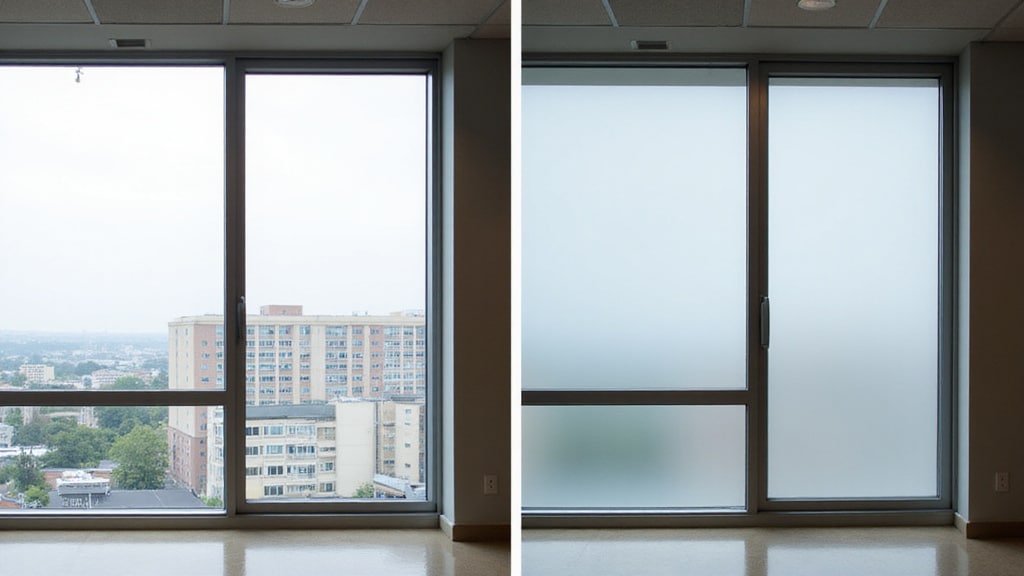
A front door earns its hurricane rating by passing strict laboratory tests for wind pressure and debris impact. You’ll want laminated impact-resistant glass with a PVB interlayer, plus a reinforced slab built from heavy-gauge steel, aluminum, or fiberglass. Check the Design Pressure (DP) rating and confirm it meets ASTM E1886 and E1996 standards. Look for permanent hinge-edge markings showing the approval number. There’s more to verify before you trust any door’s protection.
What Does “Hurricane Rated” Actually Mean?
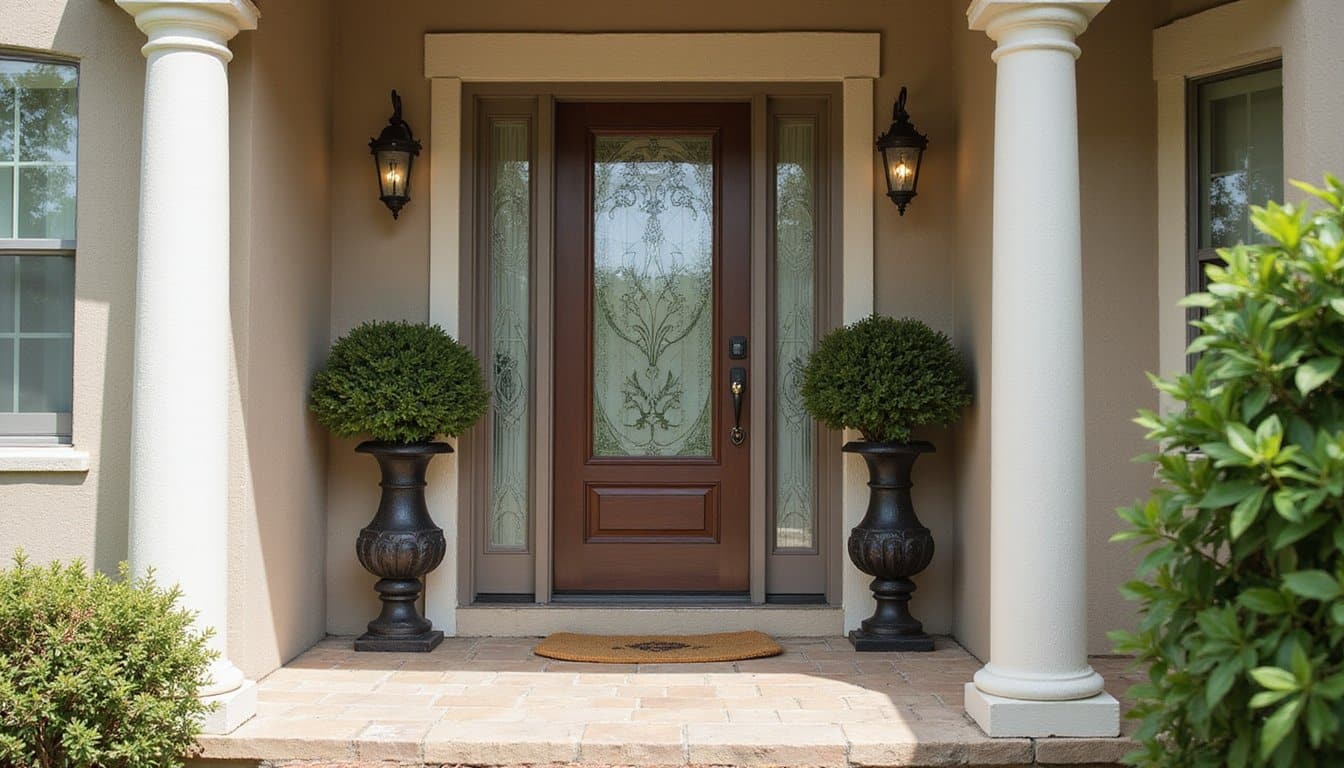
“Hurricane rated” means a door has been tested to withstand hurricane-force winds and windborne debris, not just marketed as storm-resistant. The phrase ties directly to laboratory testing and a verified performance level, not a vague durability claim. You’ll often see it used interchangeably with “impact-resistant” or “hurricane-resistant,” though the terminology isn’t always uniform.
When you evaluate hurricane door features, focus on two measured quantities: wind pressure resistance and resistance to windblown debris. The Design Pressure (DP) value indicates how much wind load the door can withstand, derived from test results and building-code calculations for your local wind conditions. Testing for these ratings follows ASTM standards and regional building codes to ensure reliability in storm conditions.
Don’t confuse this with the Saffir-Simpson scale, which rates storm intensity by sustained wind speed, not products. Always verify the claim against documented impact and design-pressure ratings.
The Impact-Resistant Glass That Sets It Apart
While the frame and slab carry the structural load, the glass is where a hurricane-rated door earns its certification. The core is laminated glass with a polyvinyl butyral (PVB) interlayer that holds fragments together after breakage. Many builds pair a laminated exterior pane with a tempered interior pane, and some use a 1.2-inch insulating glass unit for added resistance. For impact rated door identification, you’ll want proof the assembly passed the large missile test. Therma-Tru, for example, fires a 9-pound 2×4 stud at 34 mph to simulate flying debris. The glass also carries a design pressure rating, like +/- 60, confirming resistance to inward and outward wind forces. That combination of impact and pressure performance limits openings that trigger dangerous internal pressure changes during storms. For added energy efficiency, many of these assemblies are also available with Low-E Glass options.
Reinforced Frames and Panels That Survive Storms
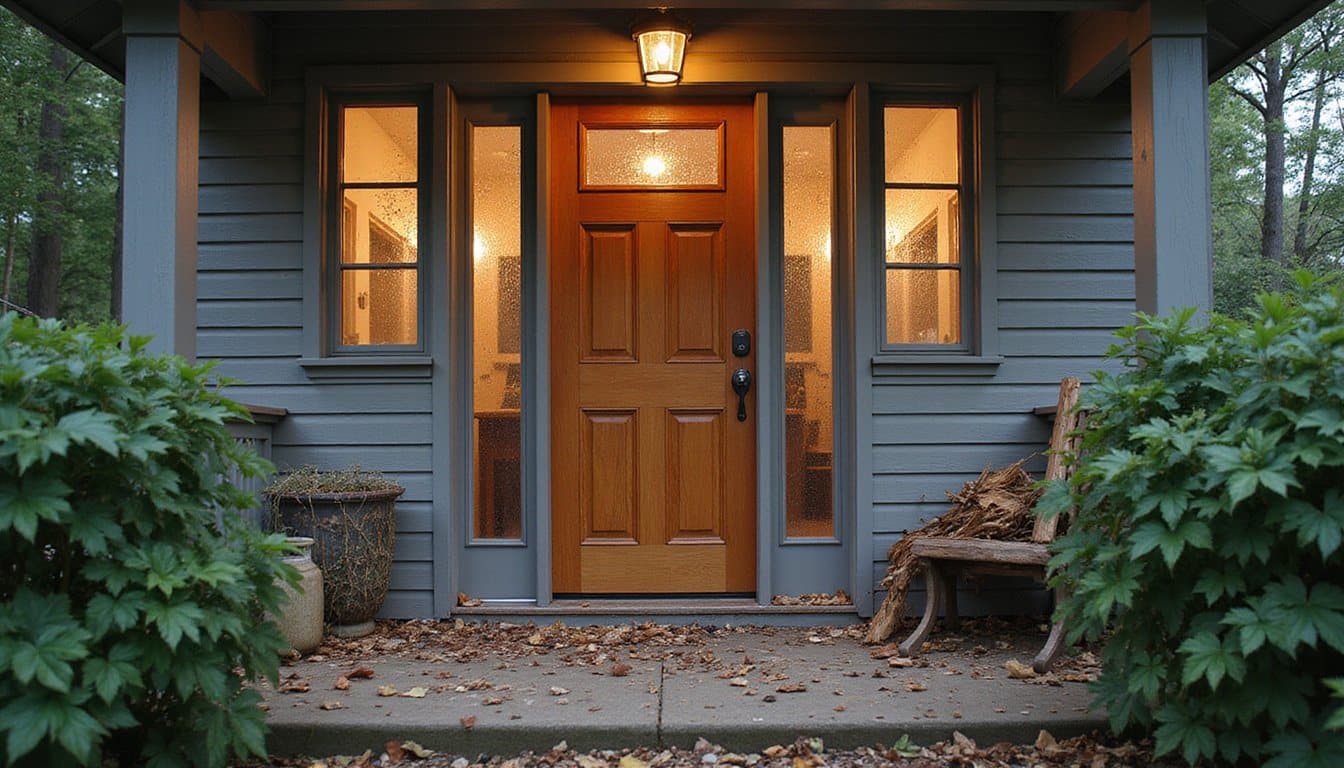
When you choose a hurricane-rated front door, you’re investing in a multi-layered engineered system built from heavy-gauge steel, aluminum, or impact-resistant fiberglass that resists deformation under extreme wind pressure. The slab itself uses multi-layer construction, often a stainless steel exterior over internal foam and wood cores, with thicknesses reaching 2.2 inches, to resist bending, warping, and debris puncture. To verify this performance, Miami-Dade County sets rigorous certification standards that include large and small missile impact tests and cyclic pressure testing. Together, these reinforced frames and panels deliver the structural integrity you need to withstand sustained pressure differentials without failing at the opening.
Durable Materials And Construction
Durability starts with the frame, where hurricane-rated doors rely on heavy-gauge steel, aluminum, or impact-resistant fiberglass to withstand storm loads. These hurricane door components work as one engineered system, not as upgraded standard parts. Specialized fasteners anchor the frame into your home’s structure, distributing loads across a wider area so the opening stays intact during high winds and debris strikes.
The slab matters just as much. You’ll find multi-layered construction, often with steel skins or laminated glass, designed to resist wind-borne debris and severe pressure. Even when the outer surface takes damage, durable slab construction maintains a sealed barrier.
Together, these material combinations balance durability, stability, and weather resistance, keeping extreme wind pressures, wind-driven rain, and debris outside your home’s envelope where they belong.
Structural Strength Under Pressure
Because a hurricane’s strongest forces hit the opening itself, your front door’s structural strength has to start with a reinforced frame built from heavy-gauge steel, aluminum, or impact-resistant fiberglass. These frames resist warping, racking, and pull-out, keeping the door aligned under extreme wind pressure. Specialized fasteners anchor the frame to your home’s structure, distributing loads across a wider area so forces move into the wall framing rather than concentrating at the jamb. Proper fastener placement and spacing resist uplift, outward suction, and inward pressure.
Your hurricane door slab matters too. Multi-layered fiberglass or steel construction holds its shape under pressure, reducing flex that weakens locks, seals, and hinges. Certified doors withstand extreme pressure differentials, keeping the opening from becoming the building envelope’s weak point during storms.
Why Fiberglass Beats Wood in a Hurricane
Although both materials can be built into hurricane-rated assemblies, fiberglass holds up better than wood when storm conditions push a door to its limits. Because fiberglass doesn’t absorb moisture, it resists the warping, swelling, and rotting that compromise wood, so your hurricane rated front door keeps stable geometry under pressure. That stability matters: when the slab holds its shape, latch engagement and perimeter sealing stay intact, maintaining the tight weatherstripping compression that blocks wind-driven rain. Fiberglass is also corrosion-resistant, a real advantage in salt air and coastal humidity where wood deteriorates faster. Foam-core construction adds structural support and insulation, delivering R-values around 5 to 7 versus wood’s R-2 to R-3. You’ll also get lower maintenance and a service life that can reach 30 to 50 years.
How the Large-Missile Impact Test Works
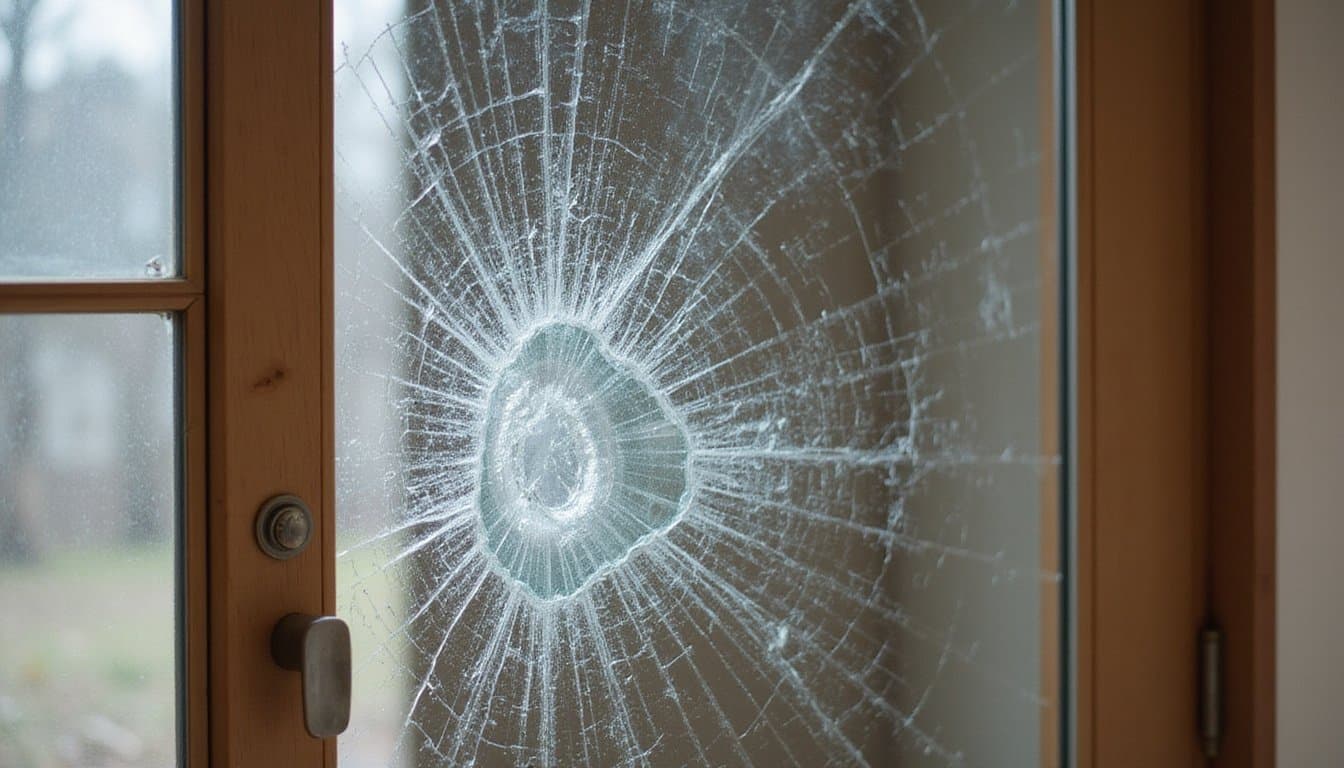
When debris turns into projectiles during a hurricane, the large-missile impact test shows whether your door can take the hit. The test fires a 9-pound, 2-by-4 piece of lumber at roughly 34 mph (about 50 feet per second), simulating wind-driven construction debris rather than a static load. Your door gets tested as a complete assembly, so the frame and glazing performance matter alongside the slab.
Pass-fail expectations vary by approval path. For HVHZ certification, the 2-by-4 can’t penetrate the door at all. For WBD approval, limited cracking is allowed, no greater than 1/16 inch by 5 inches, and a 3-inch sphere can’t pass through. The goal isn’t zero surface damage; it’s keeping your protective barrier intact, preventing water intrusion and pressure loss.
Standing Up to Wind, Rain, and Pressure
Impact resistance is only half the story, your door also has to hold its shape against the sustained wind, driving rain, and pressure swings that define a hurricane. Wind-load performance is expressed in pounds per square foot (PSF), and a rated assembly transfers those positive and negative pressures into the surrounding wall rather than letting the frame fail. Reinforced steel or composite cores resist bending and racking, limiting deflection that breaks seals and misaligns locks. Perimeter gaskets, compression seals, and a properly engineered threshold block wind-driven rain at the bottom edge, where it usually enters first. Materials that won’t warp, rot, or bow keep that seal intact over time. Check the hurricane door label for the tested design pressure verifying this performance, and remember, installation quality determines real-world results.
Which Building Codes and Certifications Matter
When you’re vetting a hurricane-rated front door, you can’t rely on marketing claims alone, you need to confirm compliance with regional building codes and recognized hurricane-zone certifications. The Florida Building Code requires impact-resistant openings in wind-borne debris regions, referencing test standards like ASTM E1996 and ASTM E1886, while Miami-Dade County Product Control approval sets one of the most rigorous benchmarks in South Florida. Knowing which codes apply to your location and which certifications a door actually carries tells you whether it’ll perform when conditions turn severe.
Regional Building Codes
Because a hurricane-rated door only counts as compliant where it meets the governing code, you need to know which standards apply to your project before you buy. Florida’s Building Code sets the baseline for wind-borne debris regions, but counties can add stricter amendments, so your local official’s edition governs. If you’re in a Wind-Borne Debris Region, expect impact-resistant or protected openings; in a High-Velocity Hurricane Zone, you’ll face the strictest requirements. The code addresses the whole opening assembly, including your hurricane door frame, glazing, hardware, and anchors, not just the slab. WBDR coverage can extend well inland depending on wind-speed maps, with one cited threshold at 130 mph or more. Confirm both impact testing and the pressure rating match your project’s design wind loads before purchasing.
Hurricane-Zone Certifications
Four certification markers tell you whether a front door will hold up in Florida’s hurricane zones: HVHZ product approval, Florida Building Code (FBC) compliance, ASTM test standards, and TAS standards.
When you’re evaluating hurricane-zone certifications, here’s what each marker confirms:
- HVHZ approval signals compliance with South Florida’s strictest requirements, addressing both wind loads and windborne debris across the entire building envelope.
- FBC compliance requires the door to pass as a complete assembly, resisting cyclic positive and negative pressures while carrying traceable labeling.
- ASTM E1886, E1996, and E330 plus TAS 201, 202, and 203 document impact level, missile level, and pressure ratings in pounds per square foot.
Check the label for these standards, they’re your verifiable proof of certified protection.
When You Need HVHZ Approval
If your project sits in Florida’s High Velocity Hurricane Zone, your front door needs HVHZ approval, not just general Florida Product Approval. HVHZ applies to Miami-Dade County, Broward County, and coastal Palm Beach County, where maximum design wind speeds reach 140 mph or more. You’ll need either a Miami-Dade NOA or a Florida Product Approval carrying HVHZ designation; both satisfy permitting, and the NOA works statewide too. In Broward, you can also use a Broward County Product Approval. Understanding what makes a hurricane rated door qualify here matters: general Florida approval often isn’t enough. Your permit reviewer checks the approval document to confirm the door system meets applicable wind and impact standards. Local jurisdiction rules ultimately determine when HVHZ paperwork is required, so verify before ordering.
How to Tell If a Door Is Truly Hurricane Rated
Wondering whether a door actually meets hurricane standards? Knowing how to tell if a door is hurricane rated comes down to verifying permanent evidence, not assumptions. Start by inspecting the hinge-edge label for the approval number, tested design pressure, and missile rating, then cross-reference that number in the relevant product-approval database.
- Check for permanent markings, look for etched glass markings in a lower corner, including the manufacturer name and codes like SGCC or ANSI.
- Verify the approval label, confirm Florida Product Approval, Miami-Dade, or NOA numbers near screws or inside the jamb.
- Confirm glass construction, laminated glass with a PVB or SGP interlayer sounds duller when tapped.
Documentation must match your exact model, glass package, frame, and hardware.
Secure Your Home With a Hurricane-Rated Door
Your front door is the first line of defense against storm damage, so choosing one built for Florida weather makes all the difference. At Innovative Storm Defense serving Boynton Beach, FL, our experienced team provides trusted Storm Doors with premium materials and lasting craftsmanship. Call (561) 517-9399 today and protect your home for years to come.
Frequently Asked Questions
How Much Does a Hurricane-Rated Front Door Typically Cost to Install?
You’ll typically pay in the low-thousands to several-thousand-dollar range for a hurricane-rated front door installation. Your final cost depends on slab material, impact glass, frame strength, multipoint locking hardware, and certification level. Higher DP ratings, like a DP-50 door resisting 75 psf, generally cost more. Expect added expenses if your opening needs structural adjustments, upgraded anchoring, custom sizing, or stucco repair. For accuracy, get an in-home quote reflecting your specific conditions.
Can I Install a Hurricane-Rated Door Myself or Need a Professional?
You can install it yourself only if you’ve got advanced carpentry skills and your local code permits self-installation. The opening must be square, structurally sound, and accurately measured. You’ll need to nail the shimming, flashing, sealant, and anchoring exactly to the tested configuration, or you’ll compromise the design-pressure and impact ratings. Most homeowners should hire a professional, since permits, inspections, and warranty conditions usually demand certified, code-compliant installation work.
Do Hurricane-Rated Doors Lower My Homeowners Insurance Premiums?
They can, but it’s not guaranteed. Insurers in hurricane-prone states may offer wind mitigation credits, though they price risk on your home’s overall vulnerability, not one product alone. You’ll need documented certification, approval number, tested design pressure, and missile rating, not marketing claims. Discounts grow more likely when your door joins a verified package with reinforced framing, shutters, and roof protections. Many carriers also require a wind mitigation inspection before applying any savings.
How Long Do Hurricane-Rated Front Doors Usually Last?
You can expect a hurricane-rated front door to last 20 to 30 years with normal residential use and regular maintenance, though your actual lifespan varies by material, exposure, and installation quality. Fiberglass, steel, and composite slabs typically outperform untreated wood in coastal conditions. Keep in mind that moving parts, hinges, multipoint locks, and weatherstripping, often wear out before the slab does. Coastal salt air, humidity, and UV exposure shorten that range.
How Do I Maintain My Hurricane-Rated Door Over Time?
Clean the slab, glass, frame, and hardware with mild soap and water to remove salt and grime. Inspect weatherstripping, threshold seals, and glazing seals for cracks or compression loss, replacing damaged parts with impact-rated approved components. Tighten hinge, strike plate, and lockset fasteners, then lubricate moving hardware. Keep weep holes clear, recaulk separated perimeter joints, and test latching before hurricane season. Schedule professional inspection after any impact, even if damage seems minor.