
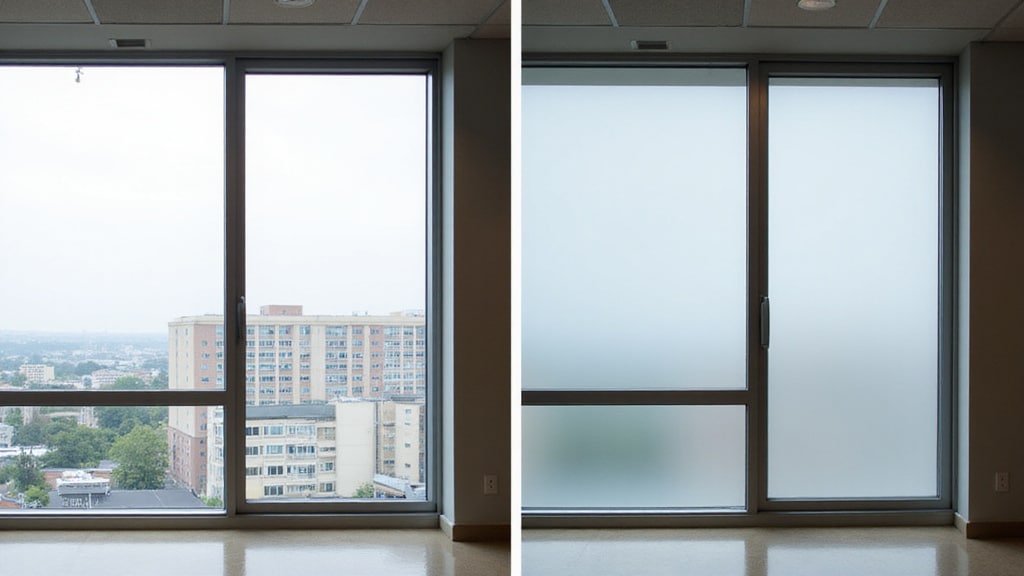
For Florida’s heat, humidity, and hurricane exposure, you’ve got three core glass options. Low-E glass uses a microscopic metallic coating to reflect infrared heat and block up to 99% of UV, cutting cooling loads. Laminated glass bonds panes with a PVB interlayer, meeting impact codes and holding fragments during storms. Tinted glass absorbs solar energy, reducing glare and boosting daytime privacy. You can combine them, too, and the specifics matter more than you’d think.
Why Window Glass Matters So Much in Florida
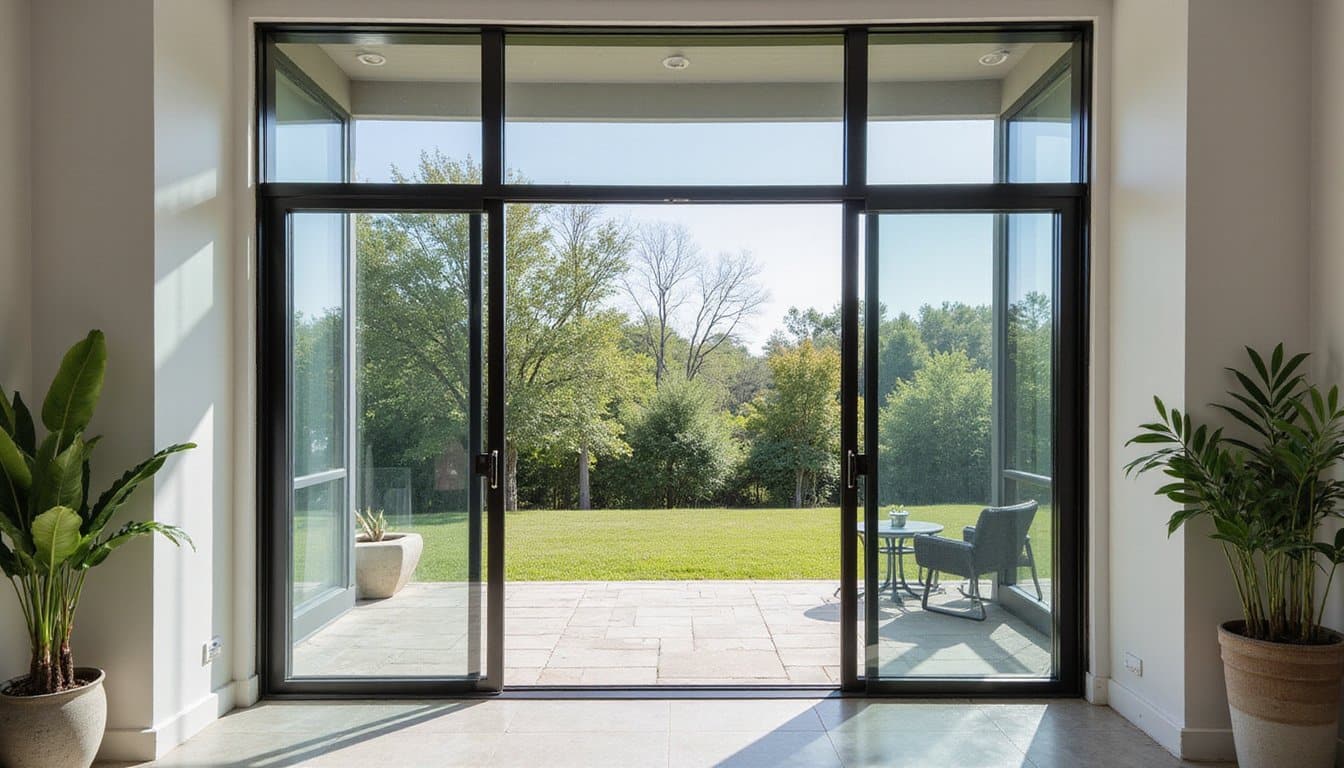
Because Florida’s climate combines intense heat, high humidity, salt air, and frequent severe weather, your window glass functions as a performance product rather than a visual finish. With more than 100 days each year reaching 90°F, your glass must limit heat gain and resist thermal expansion, UV degradation, condensation, and water intrusion. The right window glass types affect energy efficiency, safety, insurance costs, and long-term home value. Under Florida Building Code 2017, exterior glazed openings in wind-borne debris regions must be impact-resistant or protected by an approved shutter system, stopping debris from breaching openings and triggering dangerous internal pressure changes. Your glass is part of the home’s weather defense system. Choosing energy efficient window glass also reduces cooling demand, stabilizes indoor temperatures, and limits moisture infiltration. High-quality glass with multi-layered construction and Low-E coatings can potentially reduce cooling costs by 30 to 40% in hot climates.
How Low-E Glass Keeps Florida Homes Cooler
When you choose Low-E glass, you’re adding a microscopic metallic coating that reflects infrared energy, the part of sunlight that carries heat, back outside before it enters your home. In Florida’s cooling-dominated climate, that coating is tuned for low Solar Heat Gain Coefficient (SHGC), the metric that matters most for sun-facing exposures. Standard clear glass lets infrared pass through; low-e window glass blocks it without dimming visible daylight. By reducing the strain on your cooling system, Low-E glass also helps extend HVAC system lifespan, reducing breakdowns and costly repairs over time.
- Reduced A/C load: Less heat entering means your HVAC cycles less, cutting summer energy bills.
- UV rejection: Up to 99% of UV is blocked, protecting flooring and furnishings from fading.
- Invisible coating: Applied to an interior-facing surface, it’s undetectable.
This window glass guide florida prioritizes low-SHGC products for sliders and west-facing walls.
Why Laminated Glass Matters for Hurricane Season
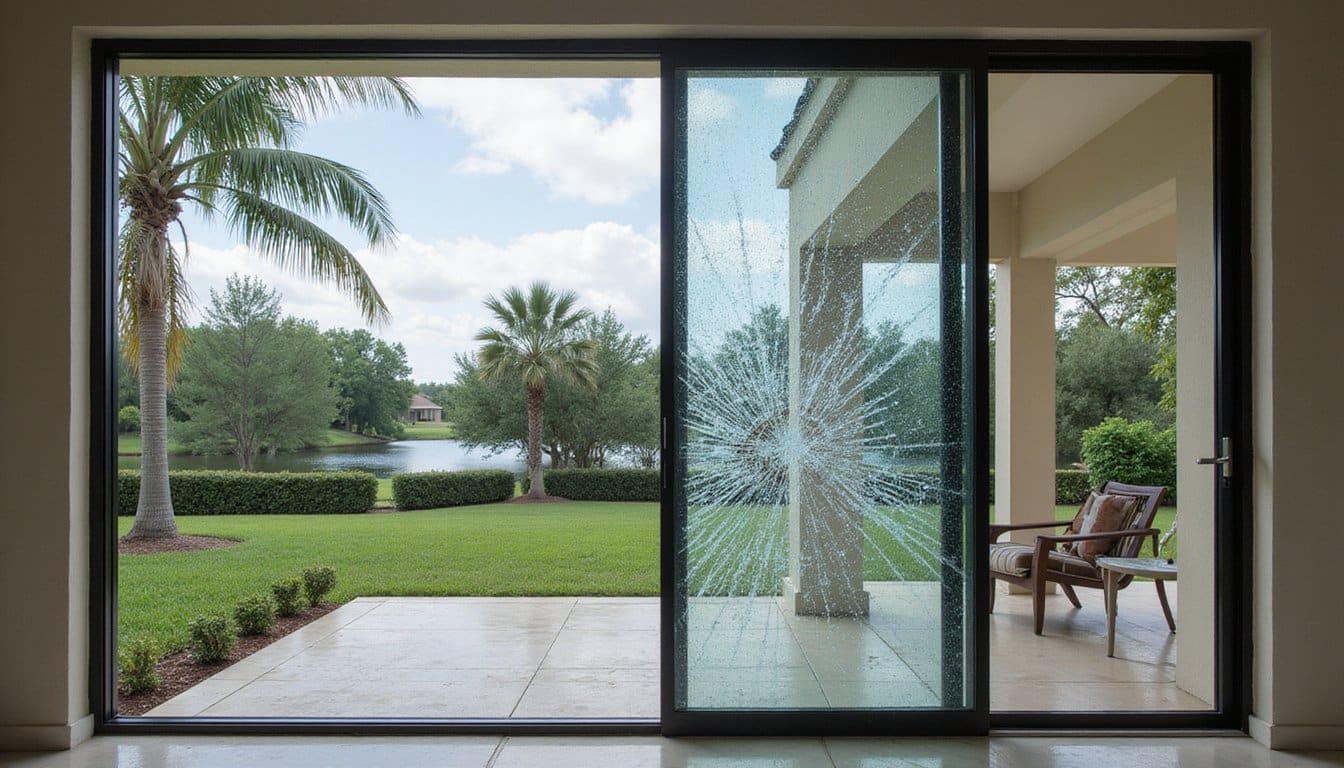
While Low-E coatings manage heat, laminated glass handles the structural threat that defines Florida’s storm season: windborne debris. Laminated window glass bonds two or more panes with a polyvinyl butyral (PVB) interlayer using heat and pressure. When debris cracks the outer layer, the interlayer holds fragments in place, preserving the sealed opening.
| Performance Factor | What It Delivers |
|---|---|
| Large-missile impact | Meets International Building Code requirements |
| Opening integrity | Limits rain intrusion and pressure changes |
| Injury reduction | Retains shards instead of scattering them |
| Protection benefit | Resists forced entry and break-ins |
That intact barrier prevents the dangerous internal pressurization that worsens building damage. Hurricane glass rated for large-missile impact performs far stronger than standard glazing, often eliminating shutters and reducing your pre-storm preparation time. For homeowners seeking maximum protection, hurricane-resistant glass block windows are also engineered to withstand extreme hurricane conditions while meeting the same rigorous standards.
What Tinted Glass Does for Glare and Privacy
Although laminated glass tackles structural threats, tinted glass solves a different daily problem: controlling how much sunlight enters and who can see in. Tinted window glass absorbs or reflects a portion of incoming sunlight, lowering the intensity of direct light while keeping natural daylight. It also diffuses harsh brightness, making it easier to focus and use screens.
For privacy, residential window glass with tint exploits light balance, stronger outdoor daylight makes interiors harder to see during the day.
- Standard tint: manages heat, glare, and solar gain, with privacy as a secondary benefit.
- Reflective tint: creates a mirror-like exterior, boosting daytime visibility blockage.
- Factory vs. film: factory tint is fixed; film stays removable and adjustable.
Low-E vs. Laminated vs. Tinted Glass
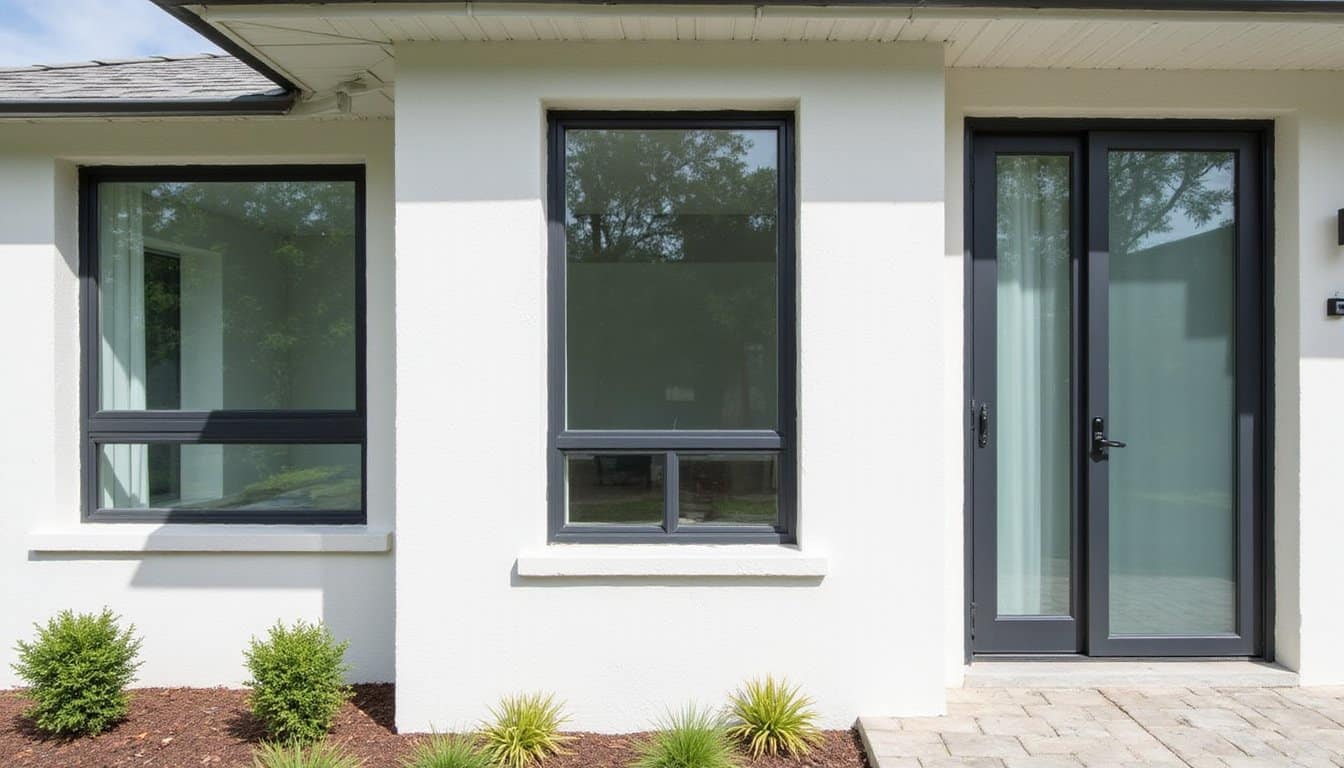
Tinted glass solves glare and privacy, but it’s only one of three glass technologies you’ll weigh for a Florida replacement window. Each does a different job. Low-E glass uses a microscopic metallic coating, roughly 500 times thinner than a human hair, that reflects long-wave infrared heat while passing visible daylight, giving it a clear edge in energy efficiency and year-round thermal performance. Tinted glass absorbs solar energy instead of reflecting it, so some heat radiates back inside, and it cuts more daylight while offering less insulation. Laminated glass bonds two panes with a PVB or SentryGlas interlayer, forming the basis for impact-rated hurricane glazing while blocking 99 percent of UV. You’re not picking just one, laminated glass can carry Low-E coatings and tinting in a single assembly.
Conclusion: Choosing the Right Window Glass for a Florida Home
In Florida’s sun, heat, and storm risk, the glass you choose matters as much as the window itself. Low-E coatings cut heat gain and protect interiors, laminated impact glass adds storm protection and security, and tinting reduces glare and heat. Many windows combine these features for the best of all three. Matching the glass to your priorities, whether efficiency, protection, or comfort, is the key to a window that performs well year-round in a Florida home.
Choose the Right Glass for Florida Sunshine
Glass options like Low-E, laminated, and tinted can dramatically change your home’s comfort and energy bills. At Innovative Storm Defense serving West Palm Beach, FL, our skilled team offers reliable Stylish & Quality Windows with premium glass options and expert installation. Call (561) 517-9399 today and schedule your consultation.
Frequently Asked Questions
How Long Do Low-E Coatings Last Before Performance Declines?
In a sealed insulated glass unit, low-E coatings are protected inside the airspace and typically last the life of the unit, often 15 to 20 years or more. The coating rarely degrades on its own; performance usually drops only if the seal fails and the glass fogs. Quality windows and good maintenance protect the coating over time.
Can I Add Low-E or Tint to Existing Windows?
Yes, through window film. Low-E and tinted films apply to existing glass and add heat rejection, UV protection, or glare control without replacing the window. Film does not fully match factory low-E glass, but it is a cost-effective upgrade for existing windows. Professional installation gives the cleanest, longest-lasting result.
How Much Do Impact-Rated Laminated Windows Typically Cost in Florida?
Costs vary with window size, frame material, and how many you install, and impact-rated windows cost more than standard windows because of the laminated glass and reinforced frames. A whole-home project ranges widely. A quote for your specific home gives the clearest figure, and many companies offer financing for larger projects.
Do These Glass Options Qualify for Insurance Discounts or Rebates?
Impact-rated laminated windows often qualify for wind-mitigation discounts on Florida homeowners insurance, which can be significant. Energy-efficient glass may qualify for utility rebates or tax credits in some cases. Ask your insurer about wind-mitigation credits and check current energy programs, since the potential savings can offset part of the cost.
How Do I Clean and Maintain Coated or Laminated Glass?
Clean with a soft cloth and a mild, non-abrasive cleaner, avoiding harsh or ammonia-heavy products and abrasive pads that can damage coatings or films. Keep frames, tracks, and seals in good order. This gentle routine keeps coated and laminated glass clear and performing for many years.