
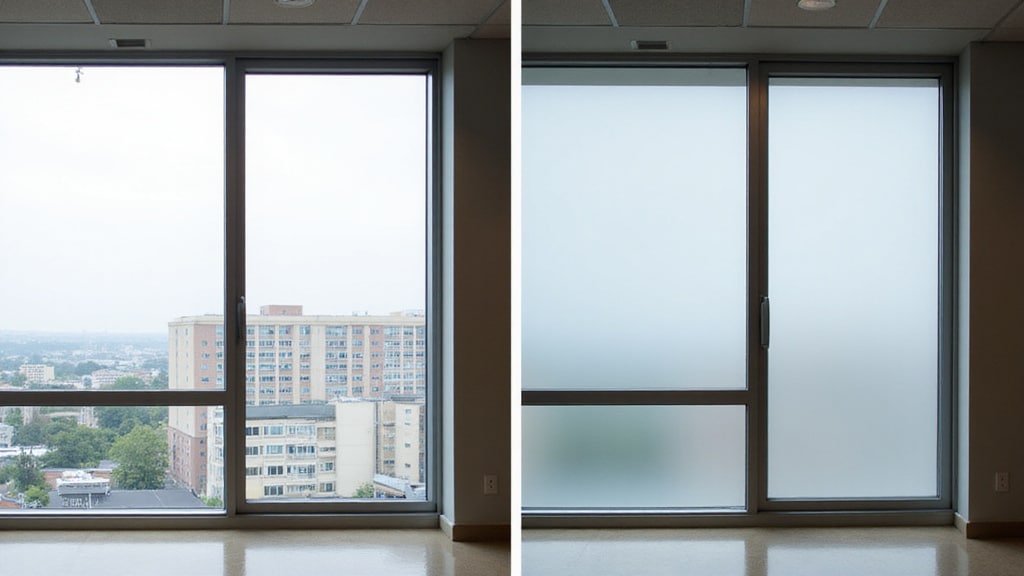
Impact glass and tempered glass protect you differently. Impact glass bonds two glass layers with a PVB or ionoplast interlayer, so fragments stay put when cracking occurs. It withstands hurricane-level, high-velocity debris while maintaining your building envelope. Tempered glass is heat-strengthened, up to four times stronger than annealed glass, but it shatters into granular chunks and can’t meet hurricane standards. Each type suits specific needs, and knowing which fits yours matters more than you’d think.
Key Takeaways
- Construction: Impact glass bonds two or more glass layers with a PVB or ionoplast interlayer, while tempered glass is single-layer, heat-strengthened annealed glass.
- Failure behavior: Impact glass cracks in a spider-web pattern and holds fragments against the interlayer, while tempered glass shatters into small granular chunks.
- Storm performance: Impact glass withstands hurricane-level, high-velocity debris and maintains the building envelope, whereas tempered glass cannot meet hurricane standards.
- Added benefits: Impact glass offers UV protection, noise reduction, and break-in resistance, while tempered glass is designed primarily for injury protection.
- Choosing between them: Choose impact glass for storm protection and security despite higher cost and weight; choose tempered glass for general injury protection without storm concerns.
Impact Glass vs Tempered Glass Explained
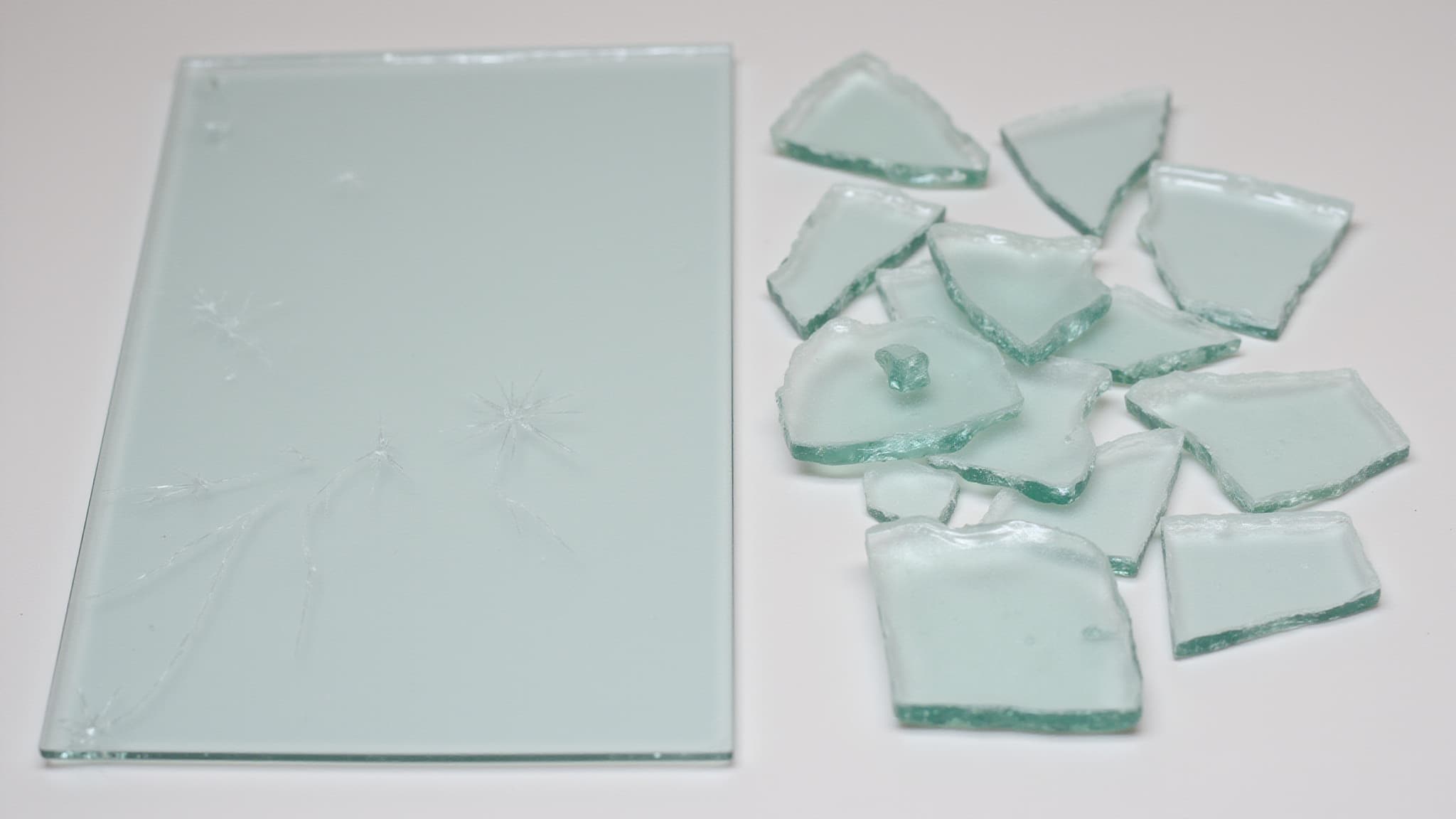
Impact glass and tempered glass differ fundamentally in construction methods with distinct safety outcomes. Impact-resistant glass consists of two or more glass layers bonded by a PVB or ionoplast interlayer, while tempered glass is annealed glass heat-strengthened through rapid surface cooling. This structural difference dictates performance. Tempered glass is up to four times stronger than annealed glass, but it shatters into small granular chunks and loses all structural integrity completely. Impact glass, by contrast, holds fragments against its interlayer, cracking in a spider-web pattern to maintain the building envelope. That’s why tempered glass can’t meet hurricane standards, while impact glass withstands high-velocity flying debris and preserves a protective barrier.
What is impact glass
Impact glass, often called laminated glass, consists of two or more glass layers bonded by a polyvinyl butyral (PVB) or ionoplast interlayer. This interlayer holds fragments together when the glass cracks, producing a spider-web pattern rather than shattering into your interior space. You’ll find impact glass engineered specifically to withstand hurricane-level impacts and high-velocity flying debris, maintaining the building envelope during severe storms. Understanding solar heat gain analysis for windows is important for optimizing energy efficiency in buildings. This analysis helps determine how much heat will be transmitted through the windows, impacting HVAC loads and indoor comfort levels.
Impact glass delivers protection tempered glass simply can’t match:
- Storm defense that keeps deadly debris from breaching your home
- Security deterrence that stops intruders from breaking in
- UV protection shielding your family and furnishings
- Noise reduction creating a quieter, safer living space
You get containment, integrity, and peace of mind combined.
What is tempered glass
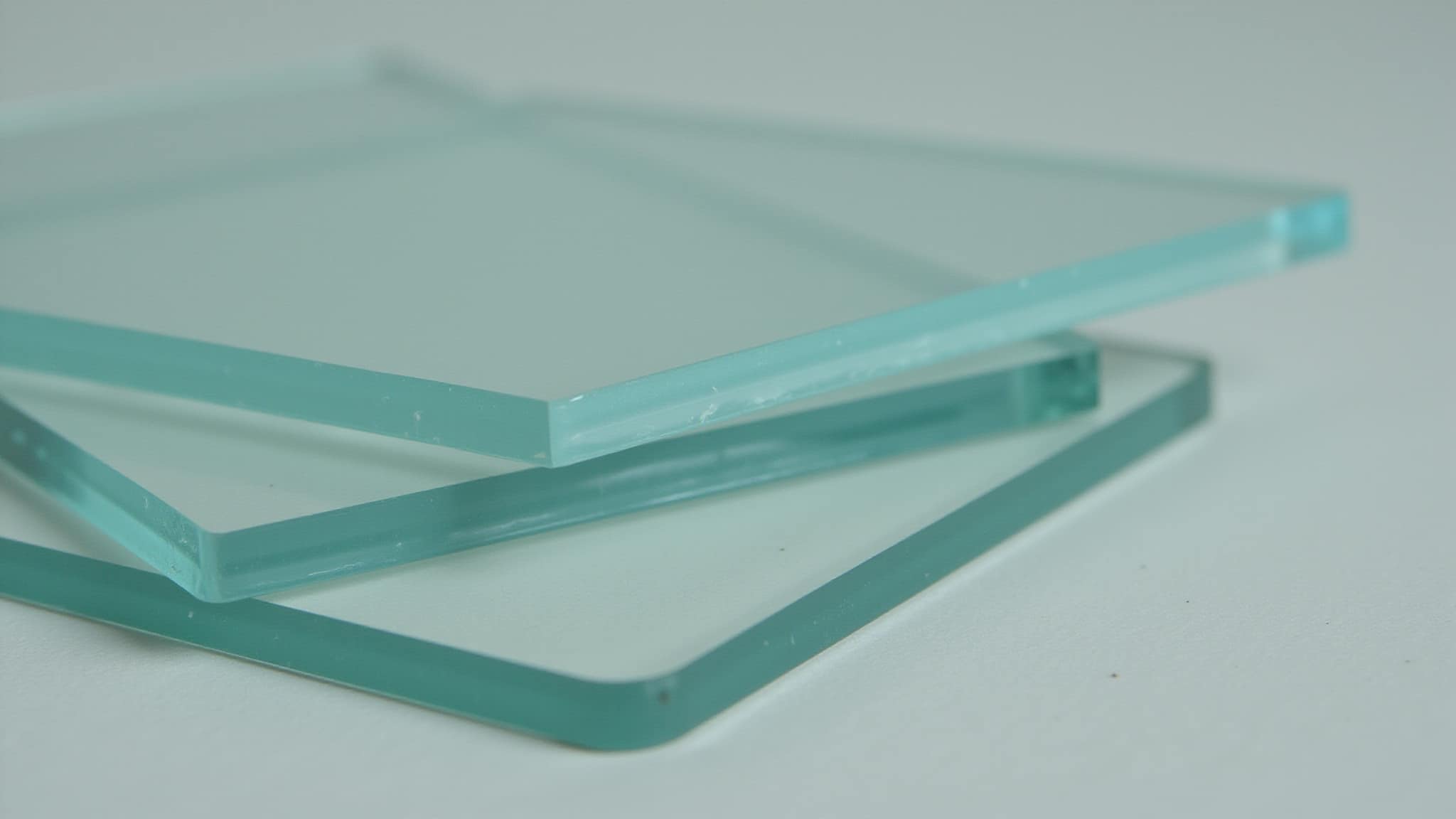
Tempered glass is safety glass that starts as standard annealed glass, which manufacturers subject to heat-strengthening through rapid surface cooling. This process creates compressive stress across the surface, making the pane up to four times stronger than annealed glass under normal conditions and four to five times better under impact. You’ll find it classified as safety glass, but it lacks the laminated interlayer that impact rating requires. When tempered glass fails, it shatters into small, rounded granular chunks, a “dicing” pattern that eliminates sharp edges and prevents injury. However, it loses all structural integrity completely upon failure. You should know that tempered glass is designed primarily for injury protection, not intrusion deterrence or storm penetration prevention. It won’t meet Florida’s hurricane standards or maintain your building envelope during high-velocity events. Understanding SHGC window labels is essential for evaluating the energy efficiency of windows. These labels provide crucial information about the solar heat gain coefficient, which can significantly impact indoor comfort and energy costs.
How do impact glass and tempered glass compare on strength and safety
Tempered glass wins on raw strength, performing four to five times better than annealed glass under impact, but impact glass wins on safety by passing a critical test that tempered glass fails: containment during high-velocity events. When tempered glass takes a direct debris hit, it shatters into rounded granular chunks, eliminating sharp edges but losing all structural integrity. Your building envelope breaches instantly. Impact glass cracks in a spider-web pattern, holding fragments against the PVB or ionoplast interlayer to maintain a protective barrier.
| Metric | Comparison |
|---|---|
| Raw strength | Tempered: 4, 5x annealed |
| Impact rating | Impact glass only |
| Post-failure integrity | Impact glass retains |
| Breakage pattern | Tempered dices; impact webs |
| Envelope protection | Impact glass maintains |
You’ll want tempered for injury prevention, but only impact glass survives hurricanes.
What are the best uses for each type of glass
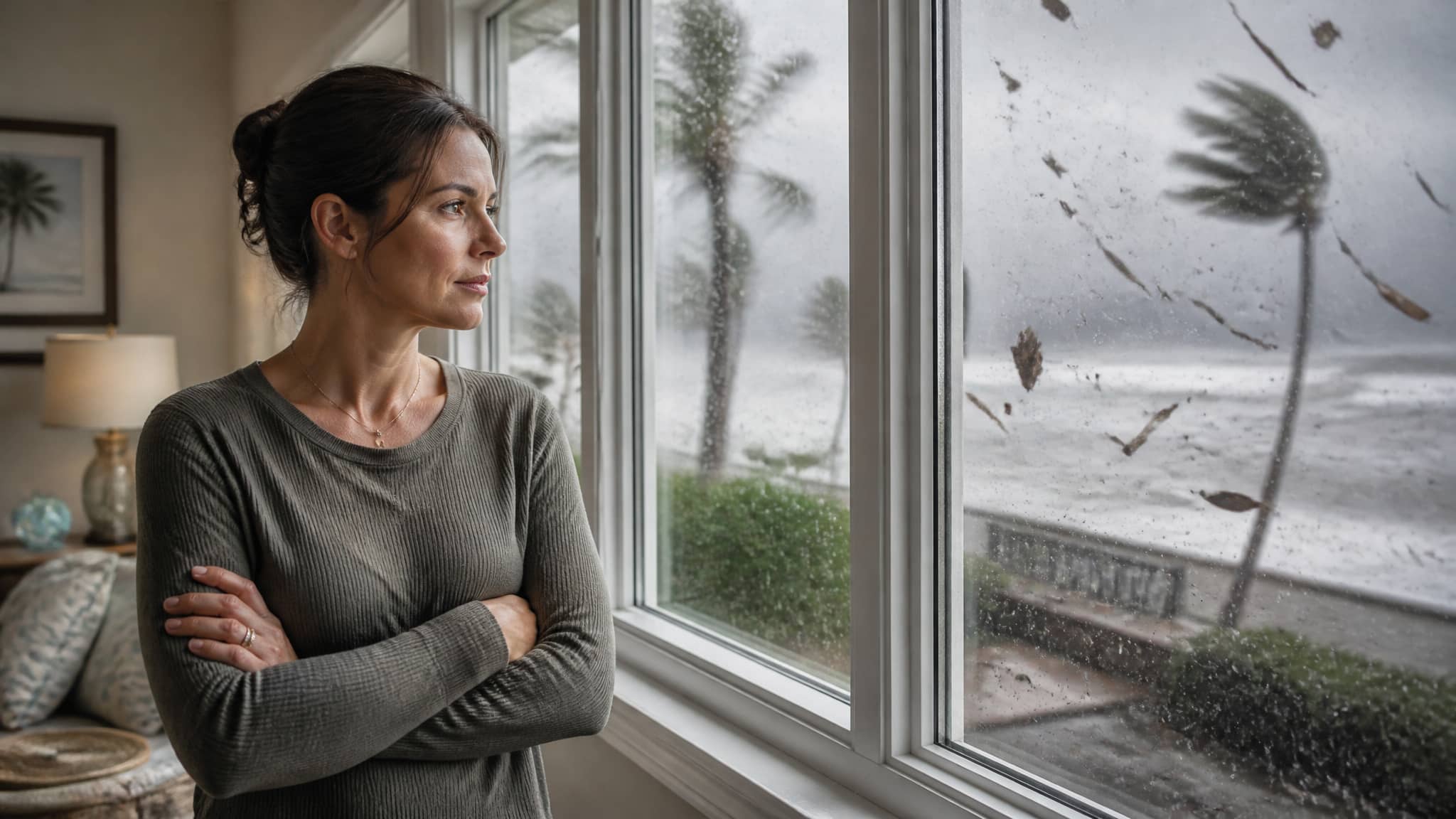
Impact glass works best for storm protection, safety, and building-envelope integrity, while tempered glass works best for general injury protection where storm penetration isn’t a concern. You’ll want impact glass wherever storm protection, safety, and building-envelope integrity matter most. Its laminated construction withstands hurricane-level impact and high-velocity flying debris, holding fragments together to maintain a protective barrier.
- Protect your family with impact glass in homes and commercial buildings facing hurricane threats
- Deter break-ins using laminated glass that resists penetration and boosts safety
- Reduce noise and block UV with impact windows paired with low-E coatings for energy savings
- Prevent injury with tempered glass in general safety applications where storm penetration isn’t a concern
Choose tempered glass for injury protection alone. It can’t maintain the envelope or meet Florida’s hurricane standards.
Which glass type is right for your needs
Impact glass is right for you if you need storm protection, and tempered glass is right if you only need injury protection. If you live in a hurricane zone or need to maintain the building envelope during high-velocity events, you need impact glass. Its laminated interlayer holds fragments together, resists flying debris, and meets Florida’s hurricane standards, something tempered glass can’t do. If you’re securing your home against break-ins, impact glass also deters intrusion while adding UV protection and noise reduction. Choose tempered glass when storm penetration isn’t a concern and you only need injury protection. It shatters into rounded granular chunks, eliminating sharp edges, but loses all structural integrity on failure. Weigh the tradeoffs: impact glass costs more and weighs more, but delivers containment tempered glass simply can’t match.
Conclusion: Impact Glass vs Tempered Glass: What to Know
Tempered and impact glass both add safety, but they do different jobs. Tempered glass is stronger than ordinary glass and breaks into small, blunt pieces, while impact glass uses a laminated interlayer that holds together and stays in the frame when struck. For storm protection in Florida, that laminated construction is what keeps wind and debris out. Understanding the difference helps homeowners choose the right glass for safety, code compliance, and hurricane protection.
Call Today and Choose Glass That Performs
From tempered to laminated to gas-filled windows, the right glass technology brings safety, efficiency, and long-term value together. At Innovative Storm Defense serving Palm Beach, FL, our skilled team delivers dependable Storm Windows built for Florida’s demanding conditions. Call (561) 517-9399 today and get premium glass for your home.
Frequently Asked Questions
How Can I Tell if My Existing Windows Are Impact-Rated?
Look for a permanent etching or label in the corner of the glass listing an impact or product-approval standard, and check for a Florida product approval or Miami-Dade Notice of Acceptance number. Impact glass also has a visible laminated interlayer at the edge. If you cannot confirm it, a window professional can verify the rating.
Does Impact Glass Cost More Than Tempered Glass?
Yes. Impact glass is more expensive because it uses a laminated interlayer and is tested to withstand flying debris and wind pressure, which tempered glass alone is not. Tempered glass is a safety upgrade over ordinary glass, but it does not provide the same storm protection. The higher cost reflects that added performance.
Can Tempered and Laminated Glass Be Combined in One Window?
Yes, and it is common. Many impact windows use a laminated pane, sometimes with a tempered layer, to meet both safety and impact requirements. Combining them can improve strength and how the glass behaves when broken. The exact makeup depends on the product and the code requirements it is certified to.
How Much Heavier Are Impact Windows Than Tempered Ones?
Impact windows are noticeably heavier, because the laminated glass and reinforced frames add weight. This is why they need sturdy frames and proper installation. The extra weight is part of what makes them strong, and a professional installer accounts for it, so it is not something a homeowner usually needs to worry about.
Do Impact Windows Provide Energy Savings and Noise Reduction?
Yes. The laminated glass and tight seals that resist impact also reduce heat transfer and block outside noise, and many impact windows add low-E coatings for further efficiency. Beyond storm protection, homeowners often notice lower cooling bills and a quieter interior, which makes impact windows a year-round upgrade.