
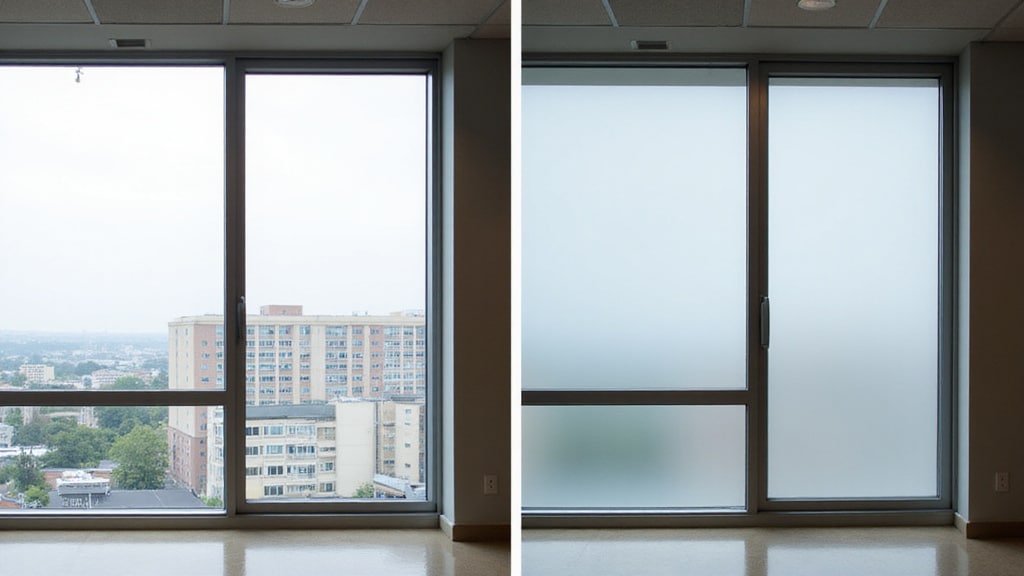
On any NFRC label, two numbers drive performance: U-factor and SHGC. U-factor measures heat transfer on a 0-to-1 scale, where 0.25 equals an R-value of 4, lower means better insulation. SHGC tracks solar heat gain; 0.30 admits about 30% of available solar heat. Always use whole-window values, not center-of-glass numbers, and match ratings to your climate zone. Understanding each section reveals smarter, data-driven window choices you’ll want to explore further.
What U-Factor Tells You About Heat Loss
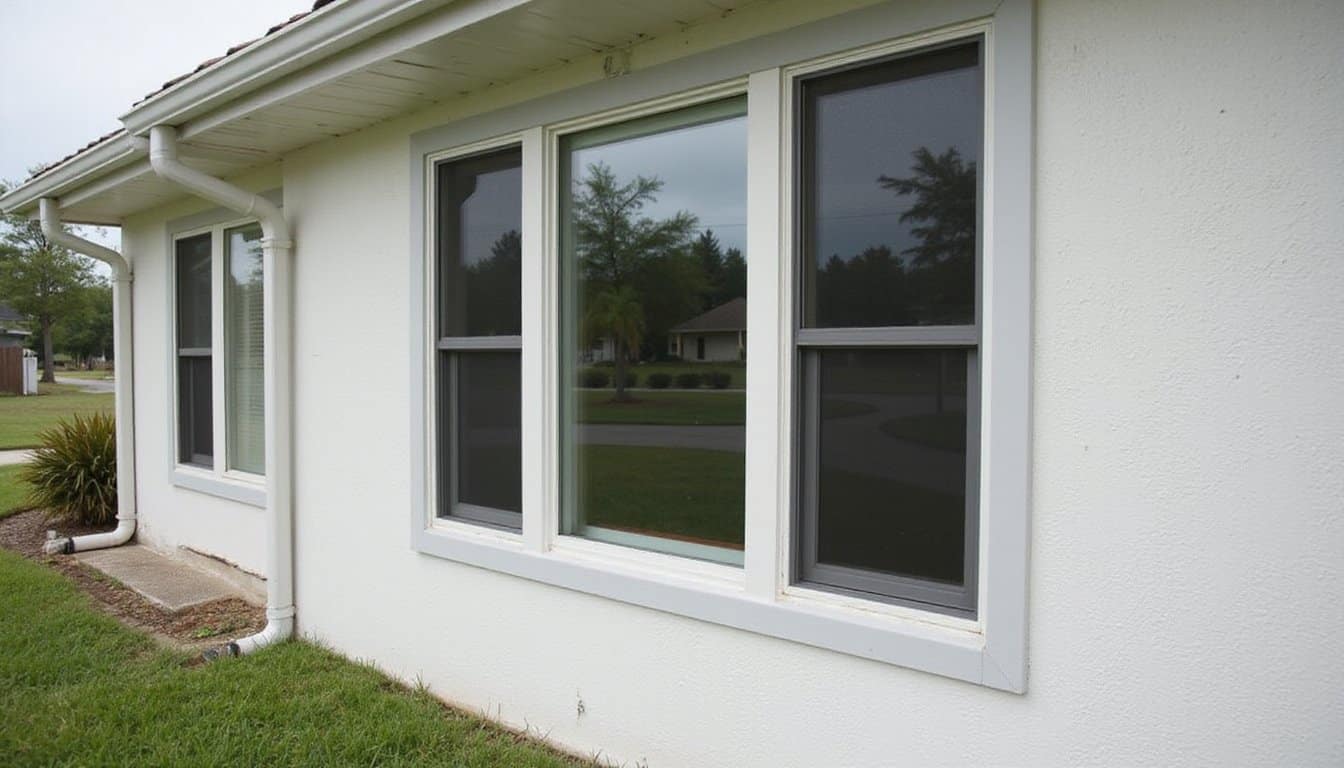
U-factor is the rate at which heat moves through a window assembly, and it’s the inverse of R-value, lower numbers mean slower heat transfer and better insulation. When you read window energy ratings, you’ll find U-factor expressed on a scale from 0 to 1, where 0 would represent perfect insulation. A U-factor of 0.25 corresponds to an R-value of about 4, while 0.33 equals roughly 3.03. This metric reflects non-solar heat transfer, heat moving through the window due to indoor-outdoor temperature differences. For u-factor windows, always compare whole-window values, which include the frame, glazing, and spacer, rather than center-of-glass numbers that look better than they perform. Values below 0.30 indicate strong thermal resistance; anything above 0.40 typically signals older, less efficient windows. U-factor is required on window labels because it allows comparison across different manufacturers, making it an industry standard for evaluating heat loss.
How SHGC Shapes Your Comfort and Cooling
While U-factor governs temperature-driven heat transfer, SHGC, the solar heat gain coefficient, measures how much solar radiation passes through your window and into the home. Rated from 0 to 1, an SHGC of 0.30 admits about 30% of available solar heat, counting both direct transmission and absorbed heat released inward. Lower values reduce sun-driven heat gain, keeping rooms cooler during sunny periods and limiting overheating when sunlight strikes interior surfaces and occupants directly. A lower SHGC indicates that less solar heat is admitted through the window.
In Florida’s cooling-dominated climate, lower SHGC reduces cooling loads, eases HVAC demand, and lowers air-conditioning costs, especially during the sunniest months. For southern zones, target SHGC values below 0.27. When you read the window performance label, check that the listed SHGC reflects the entire assembly, including glazing, frame, and spacers.
How to Read Window Ratings on the NFRC Label
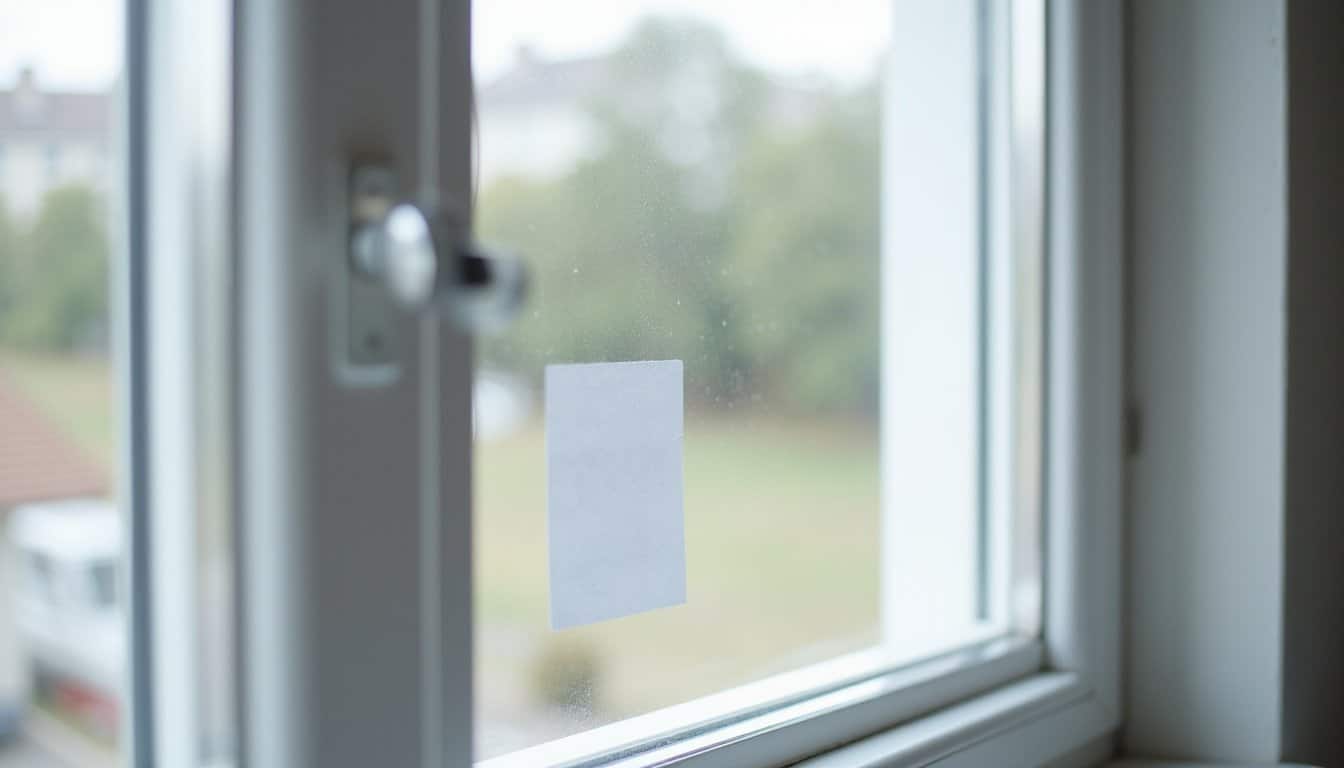
Now that you understand what U-factor and SHGC measure, you need to know where to find them. The NFRC label gives you independently tested, whole-product performance data, so you’re comparing frame, sash, spacer, and glazing together, not glass alone. This independent rating by NFRC assures you of unbiased, verified performance characteristics.
When learning how to read window labels, scan the label in this order:
- Top section: Identify the manufacturer name or logo, product line, and window type (double-hung, awning).
- Core ratings: Read U-factor and SHGC, the two numbers that define thermal and solar performance.
- Secondary ratings: Check Visible Transmittance, Air Leakage, and optional Condensation Resistance.
Match the product description to your exact model. If a window’s missing its NFRC label, request documentation, the label remains your primary source for verified performance numbers. The benefits of argon gas insulation include enhanced energy efficiency and improved thermal performance. This type of insulation reduces heat transfer, helping to maintain a consistent indoor temperature.
Matching Window Ratings to Your Climate
Because climate drives which ratings matter most, you can’t pick windows by U-factor and SHGC alone, you have to match those numbers to your region’s heating and cooling loads. In cooling-dominated climates, prioritize a low SHGC: ENERGY STAR’s southern zone calls for SHGC of 0.25 or less, while U-Factor can run up to 0.40. In heating-dominated zones 3 through 8, target U-Factor of 0.30 or lower, since solar heat gain helps during winter and SHGC carries no requirement in zones 6 to 8. Mixed climates demand balance, zones 4 and 5 require SHGC of 0.40 or less alongside a competitive U-Factor. Use the ENERGY STAR climate-zone map to match products regionally, and consider orientation, since different exposures receive different solar loads.
How to Compare Windows the Smart Way
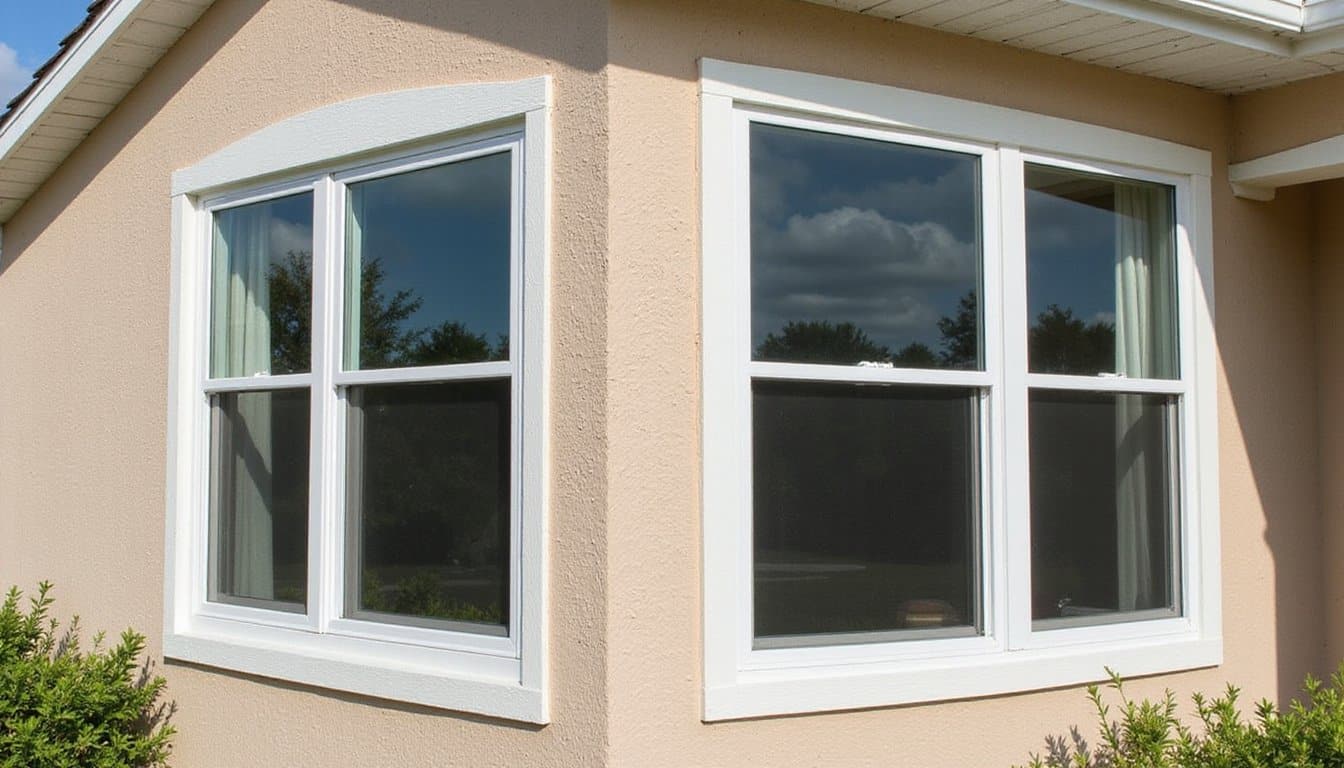
Start with U-Factor, then SHGC, and insist on identical units, configurations, and test standards across every product. Use whole-window values, not center-of-glass numbers, so frame and edge effects stay in the comparison. An NFRC rating guide gives you the standardized baseline that kills apples-to-oranges mismatches between manufacturers. Choosing the right window glass types for Florida homes is crucial for energy efficiency and comfort. Many products are designed to withstand high humidity and intense sunlight, making them ideal for the climate.
When you line up labels, verify these three points:
- Both ratings reflect the full window assembly, not just the glazing unit.
- Windows share the same orientation, glazing layers, coatings, and frame package.
- Each product carries complete NFRC label data, with missing fields flagged as a warning sign.
Remember that frame material, spacer design, and installation quality shift real-world performance. Balance U-Factor against SHGC rather than treating either number as universally best.
Conclusion: Reading Window Performance Labels With Confidence
Window performance labels pack a lot into a few numbers, and understanding U-factor and SHGC makes it far easier to compare options. U-factor shows how well a window insulates, while SHGC shows how much solar heat it lets in, and in a warm climate both should generally be low. Checking the NFRC label, and the whole-window ratings rather than glass alone, helps you choose windows that fit your climate and goals. A little label literacy leads to smarter, more efficient choices. Comparing tempered glass options is essential for maximizing energy efficiency in your home. Different types of tempered glass can offer varying levels of durability and insulation, impacting overall window performance.
Choose the Right Glass for Florida Sunshine
Glass options like Low-E, laminated, and tinted can dramatically change your home’s comfort and energy bills. At Innovative Storm Defense serving West Palm Beach, FL, our skilled team offers reliable Stylish & Quality Windows with premium glass options and expert installation. Call (561) 517-9399 today and schedule your consultation.
Frequently Asked Questions
Do NFRC Ratings Change Over Time as Windows Age?
The certified ratings reflect the window as manufactured and do not officially change, but real-world performance can decline if seals fail, gas escapes, or components wear. In that case the window may no longer perform to its original numbers. Choosing quality windows and maintaining them helps keep actual performance close to the rated values.
Does Installation Quality Affect a Window’s Certified Performance Ratings?
The label ratings apply to the window unit itself, but poor installation can undermine real performance through air leaks and drafts around the frame. A window can carry excellent ratings and still underperform if it is fitted badly. This is why proper, sealed installation is just as important as the numbers on the label.
What Is Condensation Resistance and Where Does It Appear?
Condensation resistance is an optional NFRC rating, shown on the label as a number from roughly 1 to 100, that indicates how well a window resists interior condensation. A higher number means better resistance. It is useful in humid climates, where it helps you compare which windows are less likely to fog or collect moisture indoors.
Are Whole-Window Ratings Different From Glass-Only Ratings?
Yes, and the difference matters. Glass-only numbers describe just the glazing, while whole-window ratings include the frame, spacer, and edge effects, giving a truer picture of real performance. NFRC labels report whole-window values, so comparing those, rather than glass-only figures, gives an accurate, apples-to-apples comparison.
Can Impact-Resistant Windows Still Achieve Strong Energy Efficiency Ratings?
Yes. Impact-resistant windows can pair their laminated glass with low-E coatings, gas fills, and efficient frames to earn strong U-factor and SHGC ratings. Many products deliver both storm protection and high efficiency at once. Checking the NFRC label confirms an impact window’s energy performance alongside its impact rating.