
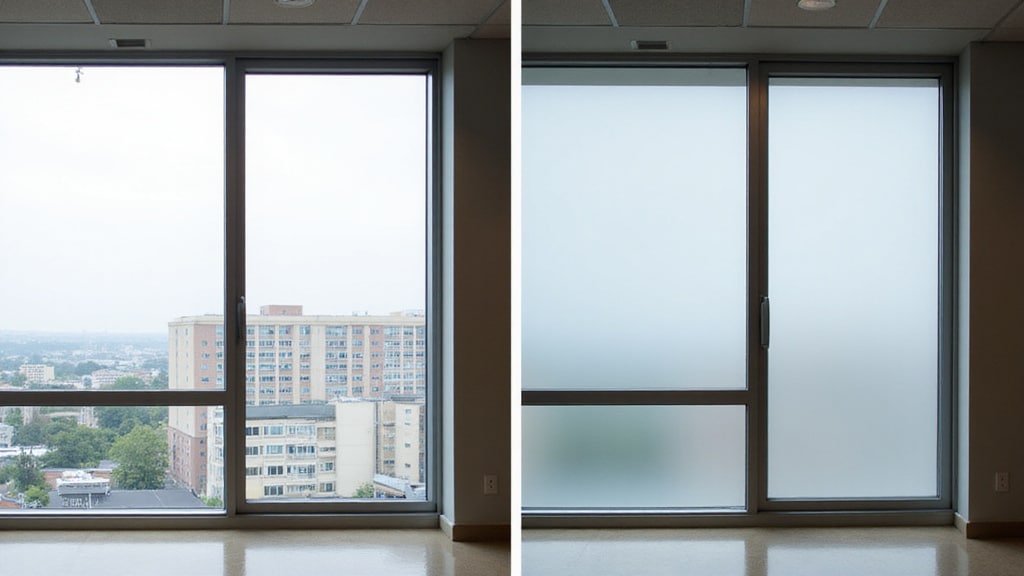
When sunlight strikes your window, about 86% transmits directly through the glass, 8% reflects back outside, and the remaining 5, 50% gets absorbed into the pane. That absorbed heat then splits, flowing both indoors and out. You’ll measure this total energy using the Solar Heat Gain Coefficient (SHGC), which ranges from 0.0 to 1.0, lower values block more heat. Glass composition, thickness, orientation, coatings, and shading all shift these numbers, as you’ll soon discover.
Key Takeaways
- Solar heat gain combines directly transmitted radiation plus the inward-flowing portion of solar energy absorbed by the glass.
- Standard 3-mm clear glass transmits ~86%, reflects ~8%, and absorbs the remaining fraction, which splits inward and outward.
- The Solar Heat Gain Coefficient (SHGC) ranges from 0.0 to 1.0, quantifying the fraction of solar radiation entering as heat.
- Glass composition, thickness, coatings, and glazing type shift the balance, with specialty glass absorbing over 70% and transmitting only ~20%.
- Reflective coatings, sealed double glazing, and shading overhangs reduce gain, with a 1-m overhang cutting south-window gain by 43.1%.
The Science of Solar Heat Gain Through Windows
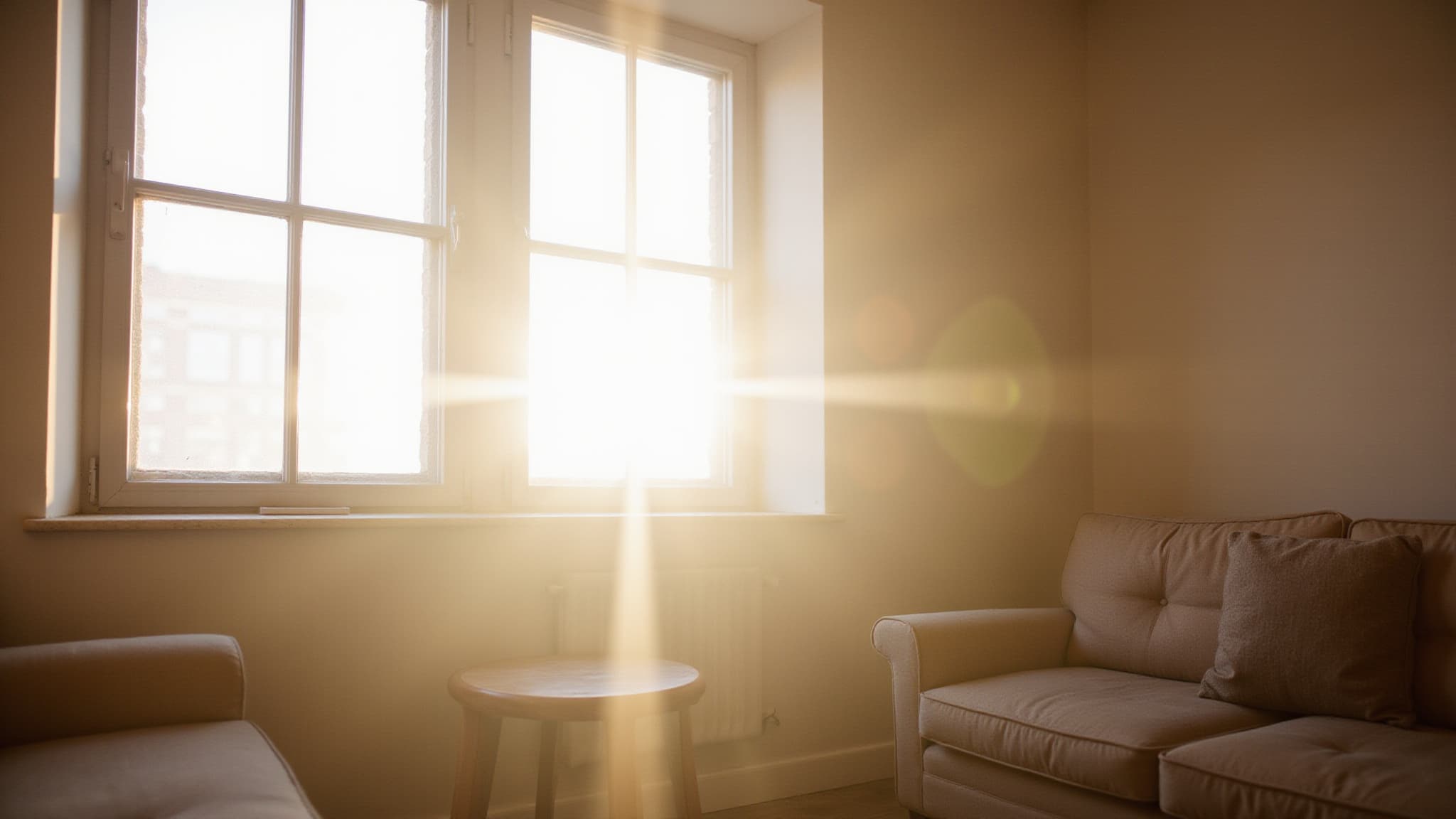
Solar heat gain through windows combines transmitted radiation plus the inward-flowing portion of absorbed heat, which transfers indoors via convection and radiation. When sunlight strikes a standard 3-mm single-pane clear glass, the incident solar radiation splits into three measurable components: roughly 86 percent transmits through the glass, about 8 percent reflects back outdoors, and the remaining 5 to 50 percent (depending on glass composition and thickness) gets absorbed within the pane itself. Energy conservation dictates these fractions sum to the total incident radiation. The absorbed energy splits both ways, moving outdoors and inward. When quantifying window heat gain, you rely on SHGC windows metrics, ranging from 0.0 to 1.0. Lower SHGC values mean less transmitted heat, delivering superior insulation performance across varying orientations and glazing configurations.
What is solar heat gain and how is it measured
Solar heat gain is the total thermal energy entering a building through windows, combining two distinct components: the solar radiation transmitted directly through the glass and the inward-flowing fraction of radiation the glass absorbs and re-emits via convection and radiation. You measure this using the Solar Heat Gain Coefficient (SHGC), which quantifies the fraction of incident solar radiation entering as heat. SHGC ranges from 0.0, meaning no transmittance, to 1.0, representing full transmittance. Lower values indicate better insulation performance and less heat transmission. This metric factors in the glass, frame material, sash, divided lite bars, and screens, giving you a complete assessment of solar heat gain windows. SHGC replaced the older Shading Coefficient as the U.S. standard.
How does solar heat pass through window glass
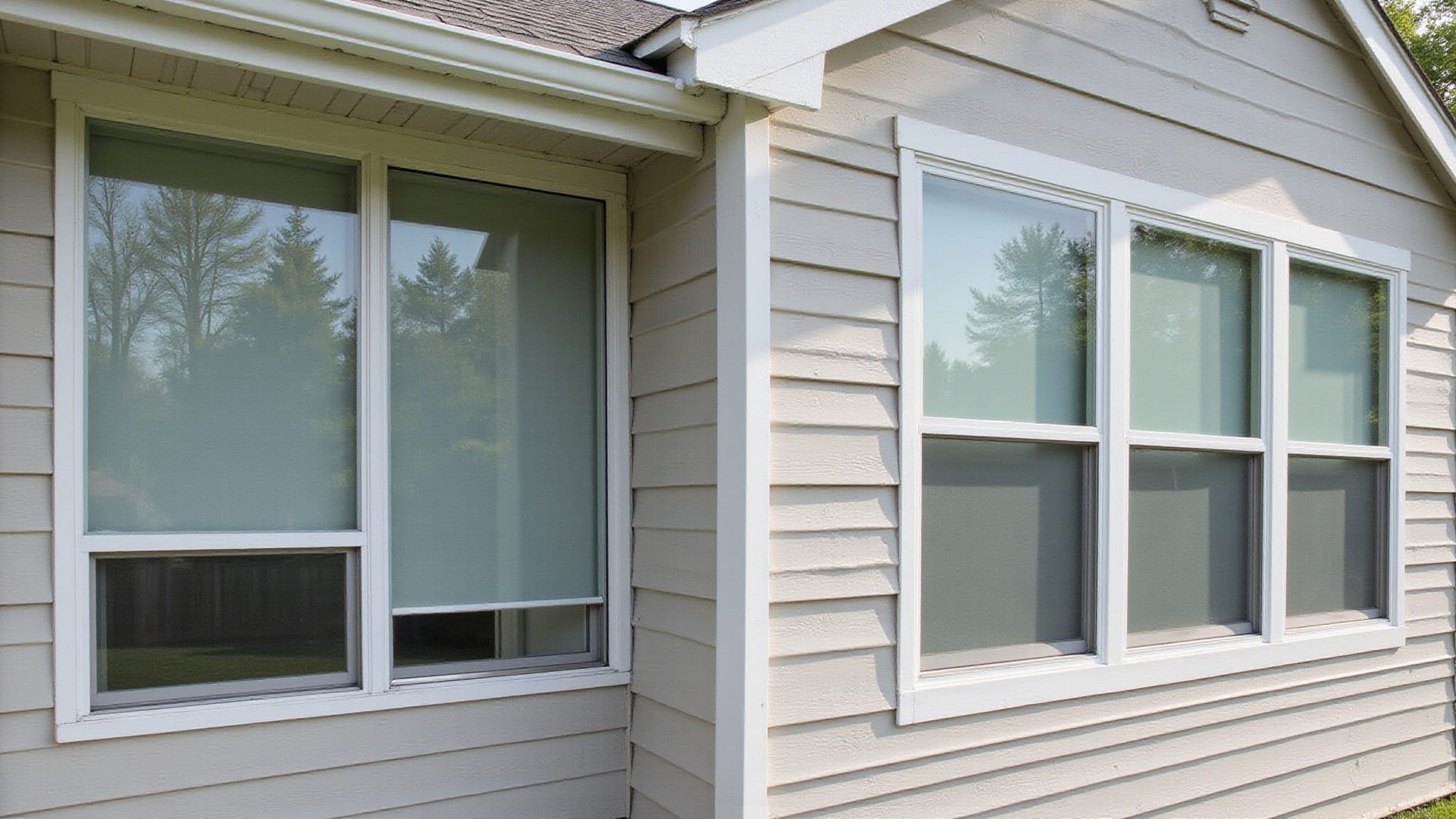
Solar heat passes through window glass by splitting into three measurable paths the moment sunlight strikes the glass itself. Peak solar radiation hits at 0.48 µm, right in the green visible spectrum. When that energy meets standard 3-mm clear glass, it splits into three measurable paths:
- Transmitted: 86 percent passes directly through, becoming sensible heat in your furniture, walls, and floors.
- Reflected: roughly 8 percent bounces back outdoors, never entering the space.
- Absorbed: the remaining fraction (5 to 50 percent, depending on composition) heats the glass itself.
- Re-radiated: that absorbed heat transfers indoors and outdoors via convection and radiation.
Energy conservation demands these sum to the incident total. Specialty glasses shift this balance, absorbing over 70 percent and transmitting just 20 percent. Differences between impact and tempered glass are crucial for understanding their applications in various settings. Impact glass is designed to withstand significant force, making it ideal for environments where safety is paramount.
What factors affect solar heat gain through windows
Solar heat gain through windows is affected by several measurable factors. Glass composition and thickness determine transmittance. Standard 3-mm clear glass transmits 86 percent, while specialty glass absorbs over 70 percent and transmits just 20 percent. The SHGC, ranging 0.0 to 1.0, quantifies the fraction entering as heat, factoring glass, frame, sash, divided lite bars, and screens. Orientation matters enormously. West-facing windows in Riyadh peaked at 359.3 W/m² in August, while north-facing surfaces gain the least. Shading cuts gain sharply. A 0.5 m projection reduces south-window SGH by 26 percent, a 1 m projection by 43.1 percent. Conduction also plays a role, turning negative when indoor temperature exceeds outdoor, plus both direct and diffuse radiation components. Different window glass options for coastal homes have unique characteristics that can significantly affect energy efficiency. For instance, impact-resistant glass not only provides safety during storms but also offers great insulation benefits.
How does solar heat gain affect comfort and energy costs
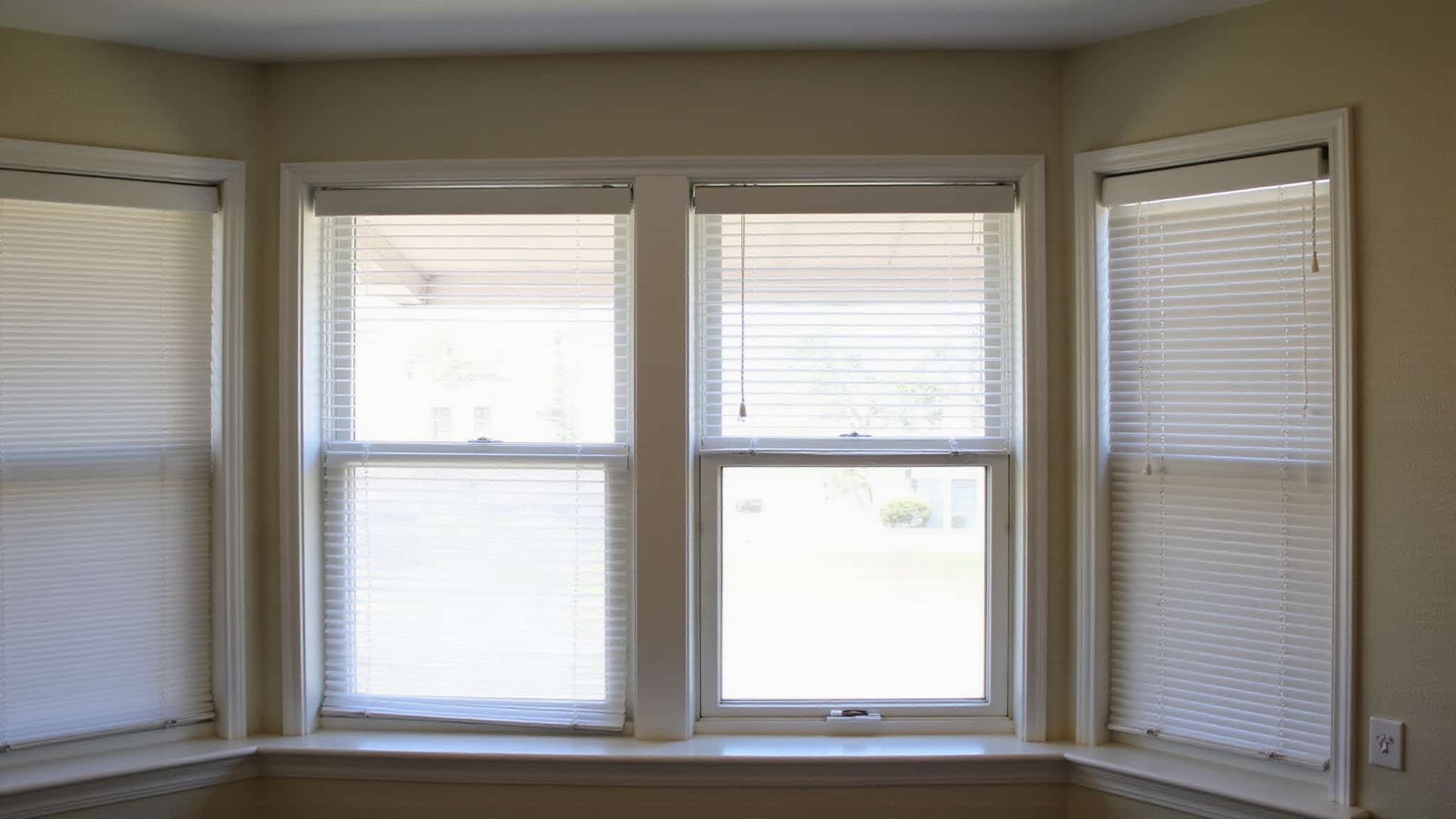
Solar heat gain directly affects your thermal comfort and utility bills. When solar radiation transmits through standard 3-mm glass at 86 percent, you’re absorbing that energy into furniture, walls, and skin as sensible heat. Consider the measurable impacts:
Every ray of sunlight through your glass becomes trapped heat, driving up temperatures, straining cooling systems, and inflating your energy bills.
- West-facing windows in Riyadh hit peak heat gain of 359.3 W/m² in August, overloading your cooling system.
- Trapped long-wave infrared creates the greenhouse effect, raising indoor temperatures beyond comfort thresholds.
- Higher SHGC values force your air conditioning to work harder, escalating energy costs.
- External shading with 1 m projection cuts south window heat gain by 43.1 percent.
You’ll balance daylight against these thermal penalties to optimize both comfort and efficiency.
How do coatings and glazing reduce solar heat gain
Coatings and glazing reduce solar heat gain by controlling how much of the incident solar spectrum enters as heat. Standard 3-mm clear glass transmits 86% of incident solar energy, reflecting 8% and absorbing the rest. Specialty glasses shift that balance dramatically, absorbing over 70% and transmitting only 20%. Innovative materials also play a significant role in reducing heat loss in homes. By using advanced insulation techniques, homeowners can maintain a comfortable indoor temperature while minimizing energy consumption.
| Glazing Type | Transmission | Absorption |
|---|---|---|
| Clear 3-mm | 86% | 6% |
| Heat-absorbing | 20% | 70%+ |
| Reflective-coated | Lower SHGC | Reduced |
You’ll get better performance by placing a reflective coating on the inside of the outer pane in sealed double-glazed units, which outperforms heat-absorbing glass. That’s because absorbed heat re-radiates inward via convection and radiation, whereas reflection rejects it before entry. Lower SHGC values mean less transmitted heat and superior thermal insulation overall.
How do you choose windows to control solar heat gain
Choose windows by their Solar Heat Gain Coefficient (SHGC), the fraction of incident solar radiation that enters as heat, ranging from 0.0 to 1.0. Lower values mean less transmission and better insulation. When you specify windows, evaluate these factors:
Rate windows by SHGC, the fraction of solar radiation entering as heat. Lower values mean less transmission and better insulation.
- SHGC rating: Choose lower coefficients to minimize transmitted heat, accounting for glass, frame, sash, and screens.
- Orientation: Prioritize low SHGC on east and west facades, where peak gain reaches 359.3 W/m².
- Glazing technology: Select double glazing with reflective coating on the inside of the outer pane, outperforming heat-absorbing glass in sealed units.
- Shading integration: Add external projections, a 1 m overhang cuts south-window gain by 43.1 percent.
Match each specification to your climate.
Conclusion: Controlling Solar Heat Gain in Your Home
Solar heat gain has a direct effect on comfort and cooling costs, and the right glass makes a real difference. Low-E coatings, quality glazing, and a well-chosen SHGC let windows block much of the sun’s heat while still letting in usable light. In a hot, sunny climate, controlling that heat gain is one of the most effective ways to keep a home comfortable and energy-efficient. Choosing windows with the right performance ratings for your climate is the key to getting it right.
Upgrade to Windows Built for Florida Weather
Florida’s salt air, sunshine, and storms are tough on windows, but the right glass technology handles it all with ease. At Innovative Storm Defense serving Boynton Beach, FL, our experienced team provides trusted Storm Windows with expert installation and premium materials. Call (561) 517-9399 today and protect your home for years to come.
Frequently Asked Questions
Can Existing Windows Be Retrofitted With Solar-Control Films After Installation?
Yes. Solar-control films apply directly to the glass and add reflective or absorptive layers that lower the effective SHGC without replacing the window. Quality films absorb a large share of incoming solar radiation and cut heat transmission significantly. Reflective films generally outperform simple heat-absorbing ones, so they are the better choice when reducing heat gain is the priority.
How Does Window Cleaning Affect Solar Heat Gain Performance?
Cleaning does not change a window’s rated SHGC, since that value is set by the glass, coatings, frame, and sash. What it affects is how much light and heat actually pass through, because dirt and grime scatter and absorb radiation and reduce clarity. Keeping the glass clean lets the window perform the way it was designed to.
Do Solar-Control Windows Reduce Natural Daylight Inside a Room?
Usually a little. The same coatings and glazing that block solar heat also cut some visible light, so a high-performance window transmits less daylight than plain clear glass. In most homes the trade-off is worth it for the lower heat gain and better comfort. If daylight matters, look for low-E glass with a high visible-light transmittance and a low SHGC, which balances brightness against heat control.
How Long Do Low-E Coatings Last Before Degrading?
In a sealed insulated glass unit, low-E coatings are protected inside the airspace and typically last the life of the unit, often 15 to 20 years or more. The coating rarely wears out on its own, and performance usually declines only if the window’s seal fails and the glass fogs. Choosing quality windows and keeping the frames and seals in good condition is the best way to protect the coating over time.
Are There Building Codes Regulating SHGC Values in Different Regions?
Yes. Most energy codes set maximum SHGC values based on climate, and hot regions have stricter limits than cold ones. In Florida, the energy code calls for low-SHGC glazing to limit heat gain and cooling costs, which is why solar-control and low-E windows are standard here. SHGC runs from 0 to 1, and a lower number means less solar heat passes through, so checking the value required for your area helps you choose compliant windows.