
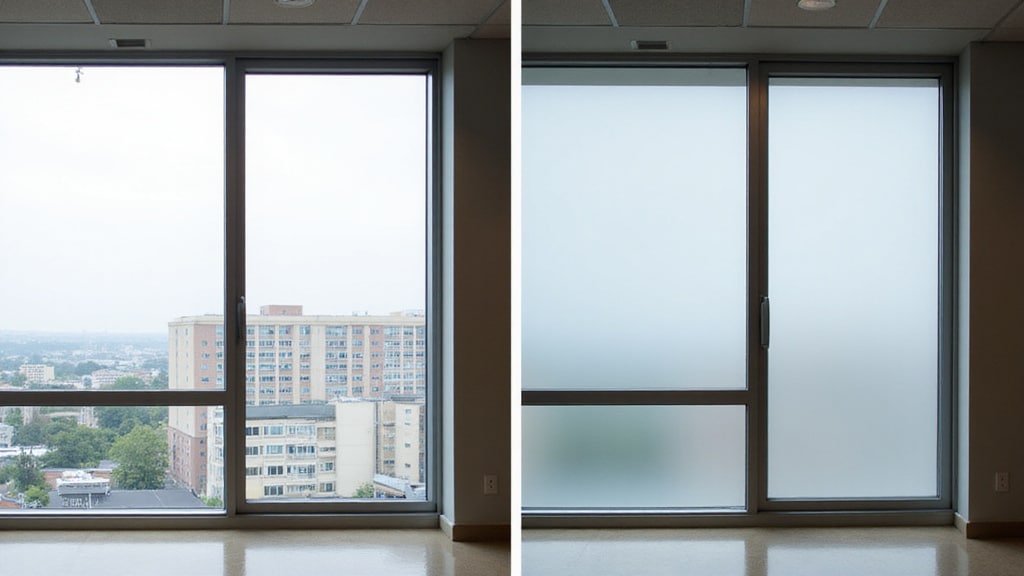
You can cut office noise by installing soundproof windows that hit an STC rating of 40, 50, eliminating roughly 90, 95% of exterior sound. That’s a major upgrade from standard double-hung units stuck at STC 26, 32, which only reduce the majority of intrusion. You’ll need double or triple-paned glass, laminated layers, thick frames, strong seals, and a 4, 8 inch air gap. Below, you’ll find exactly how each feature drives that performance.
Key Takeaways
- Properly installed soundproof windows eliminate roughly 90, 95% of exterior office noise, though no window creates a completely silent space.
- Target an STC rating between 40 and 50 for maximum noise dampening, far exceeding standard double-hung windows at STC 26, 32.
- Windows are the primary path for outside noise, so sealing every frame-to-wall gap prevents airflow that carries sound.
- Multiple glass layers, laminated glass, and thicker frames slow sound transfer, with triple-pane upgrades outperforming double-pane setups.
- Use silicone acoustic sealant, acoustic weatherstripping, and secondary glazing with a 4, 8 inch air gap to break vibration coupling.
Cutting Office Noise With Soundproof Windows
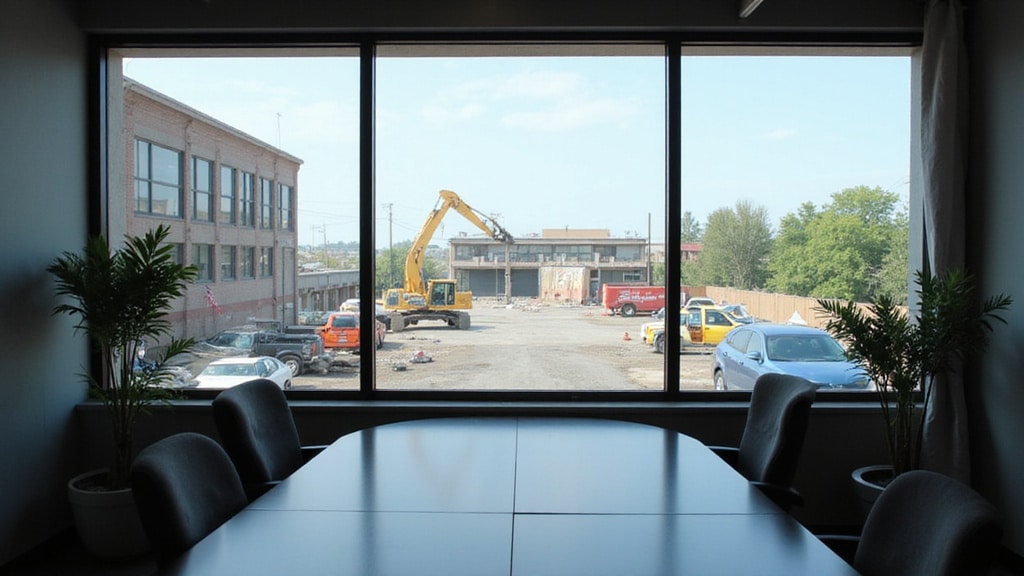
Soundproof office windows cut noise by eliminating roughly 90 to 95 percent of exterior sound, with the most effective specialized units blocking about 95%. Windows are the primary culprit behind office noise, they let outside sound transmit directly into your interior, greatly increasing cognitive overload and reducing productivity by creating distractions across your workspace. For maximum office noise reduction, you need an STC rating between 40 and 50. Standard double-hung commercial windows typically deliver only STC 26-32, cutting the majority but not all intrusion. High-performance units combine thicker frames, laminated glass, and strong seals to block sound waves effectively. Double or triple-paned configurations with high STC ratings are necessary to eliminate the majority of exterior noise, though no window creates a completely silent space.
How does outside noise disrupt an office
Outside noise disrupts an office by flooding your workspace through your windows and directly increasing cognitive overload. Windows act as the primary transmission path, letting exterior sound waves penetrate your interior and disrupt concentration. Standard double-hung units carry an STC rating of just 26-32, reducing the majority of noise but leaving measurable intrusion that fragments your focus and reduces productivity.
Every gap between the frame and wall assembly compounds the problem, allowing air flow that carries sound directly into your office. Without soundproof windows, office environments can’t achieve the 40-50 STC range required for maximum dampening. Worker focus can be severely impacted by excessive noise levels in the workplace. To enhance productivity, offices should prioritize soundproofing measures that minimize distractions.
You need to understand the transmission mechanics first to reduce office noise effectively. High-performance specialized units eliminate approximately 95% of exterior noise, restoring the quiet your workspace demands for peak cognitive performance.
How do soundproof windows reduce noise

Soundproof windows reduce noise by blocking sound waves through thicker frames, strong seals, and multiple glass layers that slow sound transfer into your office. When properly installed, these systems eliminate roughly 90 to 95 percent of exterior noise. You’ll want an STC rating between 40 and 50 for maximum dampening, since standard double-hung windows rate only 26-32 and let too much sound through. Higher STC values combine laminated glass with tight seals to achieve significant reduction. Double or triple-paned configurations block the majority of exterior noise, with triple-pane upgrades delivering superior sound insulation over double-pane setups. Secondary glazing adds a 4-8 inch air gap that breaks vibration coupling between panes. Together, these specifications make your rooms seem quieter by slowing wave transmission.
What features make office windows soundproof
Office windows become soundproof through specific features, and each one contributes measurable STC points to the final rating. You’ll need double or triple-paned glass to reach the 40-50 STC range required for maximum dampening. Standard double-hung units only hit 26-32. Laminated glass and thicker frames block sound waves more effectively than single-pane configurations. Strong seals matter just as much: silicone acoustic sealant at frame-to-wall junctions and acoustic weatherstripping eliminate the gaps that carry sound. Secondary glazing with a 4-8 inch air gap breaks vibration coupling between panes, and triple-pane upgrades outperform double-pane insulation. Properly installed, these features eliminate roughly 90-95% of exterior noise. Remember, no window creates total silence. The term “soundproof” is technically misleading. Environmentally friendly windows can also significantly reduce cooling expenses by minimizing thermal transfer.
How much noise can soundproof windows block

Soundproof windows block roughly 90 to 95% of exterior noise when properly installed, with the most effective specialized units reaching that 95% ceiling. Your results depend directly on the STC rating and installation integrity. Standard double-hung windows manage an STC of 26-32, reducing most but not all intrusion. For maximum dampening, you’ll need units rated between 40 and 50, achieved through laminated glass, thicker frames, and tight seals.
| Window Type | STC Rating | Noise Reduction |
|---|---|---|
| Standard double-hung | 26-32 | Majority |
| Storm window addition | +5-10 | 50%+ |
| Specialized soundproof | 40-50 | 90-95% |
| Triple-pane upgrade | 45-50 | Up to 95% |
How do you choose soundproof windows for your office
Choose soundproof windows by matching STC ratings to your noise environment. For maximum office noise dampening, target an STC between 40 and 50. Standard double-hung windows deliver only 26-32, reducing most but not all noise, so they won’t suffice in high-traffic locations.
Specify double or triple-paned units, since triple-pane configurations provide superior sound insulation. Prioritize laminated glass and strong seals, which combine to achieve significant reduction, up to 95% of exterior noise intrusion in top-performing units.
Evaluate secondary glazing when replacement isn’t feasible. A 4-8 inch air gap breaks vibration coupling between panes, cutting transmission substantially.
Verify frame-to-wall sealing before purchasing. Gaps cause the most common acoustic underperformance, undermining even the highest-rated STC windows you install.
Conclusion: Quieting an Office With Soundproof Windows
Soundproof windows cut outside noise by combining thicker or laminated glass, wider air gaps, and tight seals that block sound from getting in. In a busy office, that means fewer distractions and a more productive, comfortable space. Many soundproofing upgrades improve energy efficiency at the same time. Whether through new windows or add-on solutions, reducing noise is a practical investment in a better work environment.
Upgrade Your Office Windows Today
Better office windows mean better productivity, comfort, and energy savings for every business in Florida. At Innovative Storm Defense serving West Palm Beach, FL, our experienced team provides trusted Office Windows with expert installation and premium materials. Call (561) 517-9399 today and book your free consultation.
Frequently Asked Questions
How Much Do Soundproof Windows Typically Cost to Install?
Costs vary with the glass type, window size, and how many you install, and laminated or specialized acoustic glass costs more than standard units. A whole-office project ranges widely. The clearest way to budget is a quote based on your specific windows and noise goals, and doing several at once is often more economical.
Can I Soundproof Existing Office Windows Without Replacing Them?
Often, yes. Options like interior secondary glazing, acoustic inserts, heavy seals, and weatherstripping can cut noise without full replacement, usually at a lower cost. They work best for moderate noise problems. For severe noise, replacing the windows with laminated acoustic glass gives the biggest improvement.
Are DIY Window Soundproofing Methods Effective for Offices?
DIY steps like sealing gaps, adding weatherstripping, or hanging heavy curtains can reduce some noise and are worth trying for minor issues. They rarely match the results of laminated glass or professional secondary glazing, though. For a noticeable, lasting difference in a busy office, professional soundproofing solutions are more effective.
How Long Do Soundproof Windows Last Before Needing Replacement?
Quality soundproof windows last about as long as other quality windows, often 15 to 20 years or more, since the acoustic performance comes from the glass and seals. As with any insulated unit, seal failure over time can reduce performance. Good installation and maintenance help them last their full lifespan.
Do Soundproof Windows Also Improve Energy Efficiency?
Usually, yes. The same laminated glass, extra panes, and tight seals that block noise also reduce heat transfer and air leakage. Many soundproof windows include insulated, low-E glass, so they cut cooling and heating costs along with noise. It is common to gain both a quieter and a more efficient office from one upgrade.