

Office glare hurts your focus by forcing your eyes into constant, energy-draining readjustments. When reflected luminaire images create a veil over your screen, your accommodation and convergence fluctuate, triggering transient adaptation problems and binocular rivalry. This excess light reduces your image-recognition ability and drains mental energy throughout every task. It’s no surprise that 67% of workers report glare affecting their work. Understanding the causes and fixes below will help you protect your productivity.
Key Takeaways
- Reflected luminaire images create a veil of light over screens, forcing eyes to work harder and degrading concentration.
- Fluctuating accommodation and convergence from reflections at non-screen distances trigger transient adaptation problems and binocular rivalry.
- Excess light entering the eyes reduces focusing and image recognition ability, directly impairing task performance.
- Constant visual readjustment drains mental energy throughout work tasks, causing tiredness that reduces overall efficiency.
- 67% of office workers report uncomfortable glare affecting their ability to work effectively.
Why Office Glare Hurts Worker Focus

Office glare hurts worker focus by actively degrading your ability to concentrate. When office window glare hits your screen, reflected luminaire images create a veil of light that forces your eyes to work harder. Your accommodation and convergence fluctuate as you view reflected images at distances other than the screen surface, triggering transient adaptation problems and binocular rivalry that directly impair task performance. Workplace glare doesn’t stop there. 67% of workers report it hampers their effective work ability, while inadequate lighting induces poor concentration, memory disruption, and cognitive confusion. Disability glare causes mental and physical tiredness, reducing efficiency. Reducing office glare starts with recognizing these mechanics: too much light entering your eye makes focusing and image recognition measurably difficult.
What causes glare in the office
Office glare typically originates from three main culprits: unmanaged sunlight, overhead luminaires, and reflective surfaces. When sunlight streams through windows, it strikes your screen and desk, creating harsh contrasts that strain your eyes. Overhead lights positioned incorrectly reflect off your monitor, forming a veil of light that distracts you and reduces visual acuity. Remember, higher luminance, larger source size, lower background luminance, and closer proximity all increase discomfort. The link between glare and productivity becomes clear here. Reflected luminaire images cause your accommodation and convergence to fluctuate, forcing your eyes to work harder. Identifying whether your source is direct, reflected, or disability glare determines your solution.
How does glare affect focus and productivity

Glare erodes your ability to focus by forcing your eyes to work harder. When too much light enters your eyes, they struggle to focus and recognize images, forcing constant readjustment that drains mental energy. Research shows 67% of office workers report uncomfortable glare affecting their ability to work effectively. Disability glare triggers both mental and physical tiredness, directly reducing your performance and efficiency. You’ll notice more typing errors, cognitive confusion, and interrupted concentration throughout your workday. Reflected images on your screen create transient adaptation problems and binocular rivalry, as your eyes fluctuate between focusing on reflections and screen content. This visual strain compounds over hours, leaving you lethargic and less alert. By reducing glare early, you protect your concentration and maintain steady productivity across demanding tasks.
What health effects does glare have on workers
Glare takes a measurable toll on your body. When too much light enters your eyes, you’ll experience eye fatigue, headaches, migraines, stiff necks, and even musculoskeletal injuries. In fact, 48% of work-related severe headaches correlate directly with problematic office lighting. If you work at a computer, you’ll notice red-eye, gritty sensations, and heightened light sensitivity from improper lighting.
Disability glare compounds these problems by reducing your visual acuity, triggering teary eyes and visual fatigue. You’ll also face eye focusing difficulties and increased typing errors as your eyes strain to compensate.
The effects aren’t just physical. Visual discomfort brings anxiety, lethargy, eyestrain, nausea, and poor concentration. Addressing glare early protects both your health and your capacity to work effectively.
How do you reduce glare in the office

Reduce office glare by starting with monitor placement. Position screens perpendicular to windows so they don’t catch direct sunlight reflections that create veiling luminance over your display. Next, verify your general lighting measures between 100, 200 lux at desk height, enough to work by without overwhelming your eyes. For detailed visual tasks, you’ll need dedicated higher-output lighting rather than flooding the entire space.
Install luminaire diffusers to soften light spread and reduce harsh contrasts that strain your accommodation and convergence. Add adjustable task lights, giving you control over immediate lighting needs at your specific workstation. In addition, consider installing soundproof windows to minimize external distractions and enhance focus.
Address the contributing factors too: lower excessive source luminance, increase background luminance, and eliminate reflected luminaire images. These targeted adjustments prevent the disability glare that reduces visual acuity and disrupts your focus.
How do you create a glare-free workspace
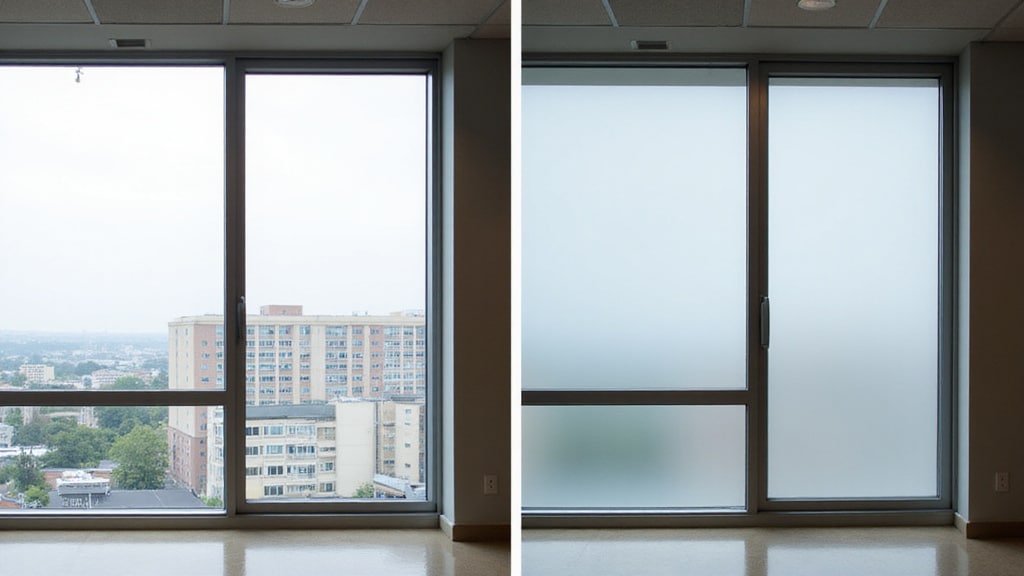
Create a glare-free workspace by treating individual fixes as one coordinated system rather than isolated adjustments. Start by measuring desk-height illumination, targeting 100, 200 lux for general tasks and higher levels only where detailed work demands it. Position monitors perpendicular to windows so screens don’t catch reflected sunlight, then verify that no luminaire images create a veil of light across your display. Layer these placement decisions with equipment that softens and controls light output. Incorporating commercial window film can further enhance your workspace by reducing glare and maintaining a comfortable light level.
- Install luminaire diffusers to soften light spread and reduce harsh contrasts
- Add adjustable task lights so you control immediate lighting needs
- Reposition screens away from direct and reflected light sources
Together, these measures eliminate the disability glare, veiling reflections, and accommodation fluctuations that erode visual acuity and sustained concentration.
Conclusion: Reducing Office Glare for Better Focus
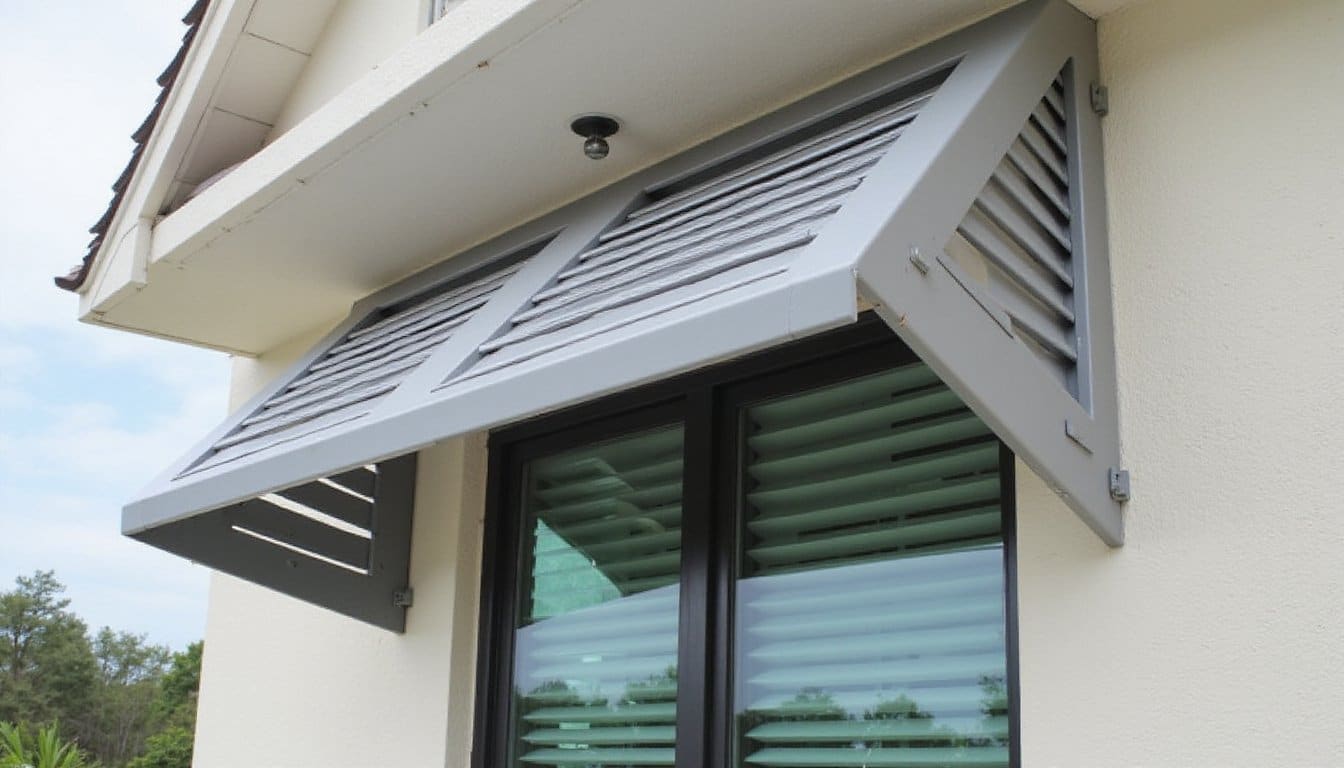
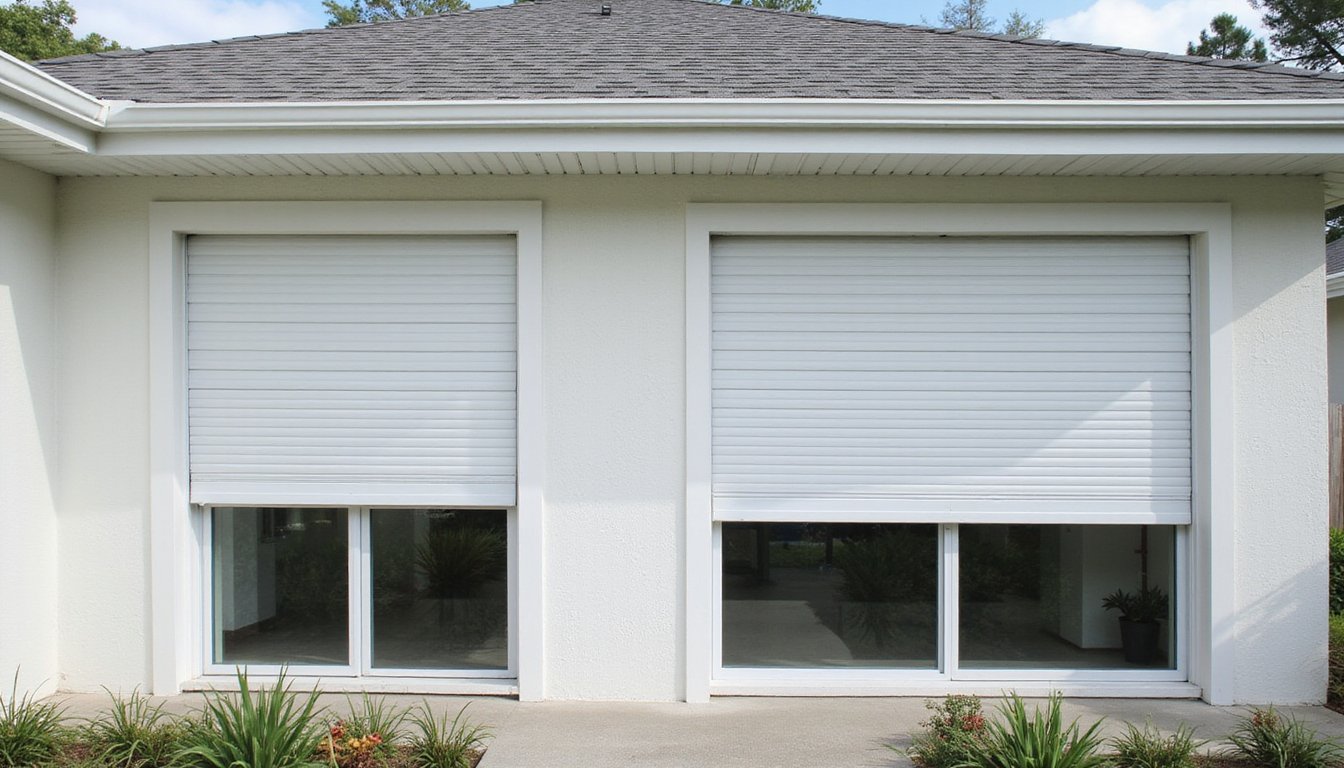
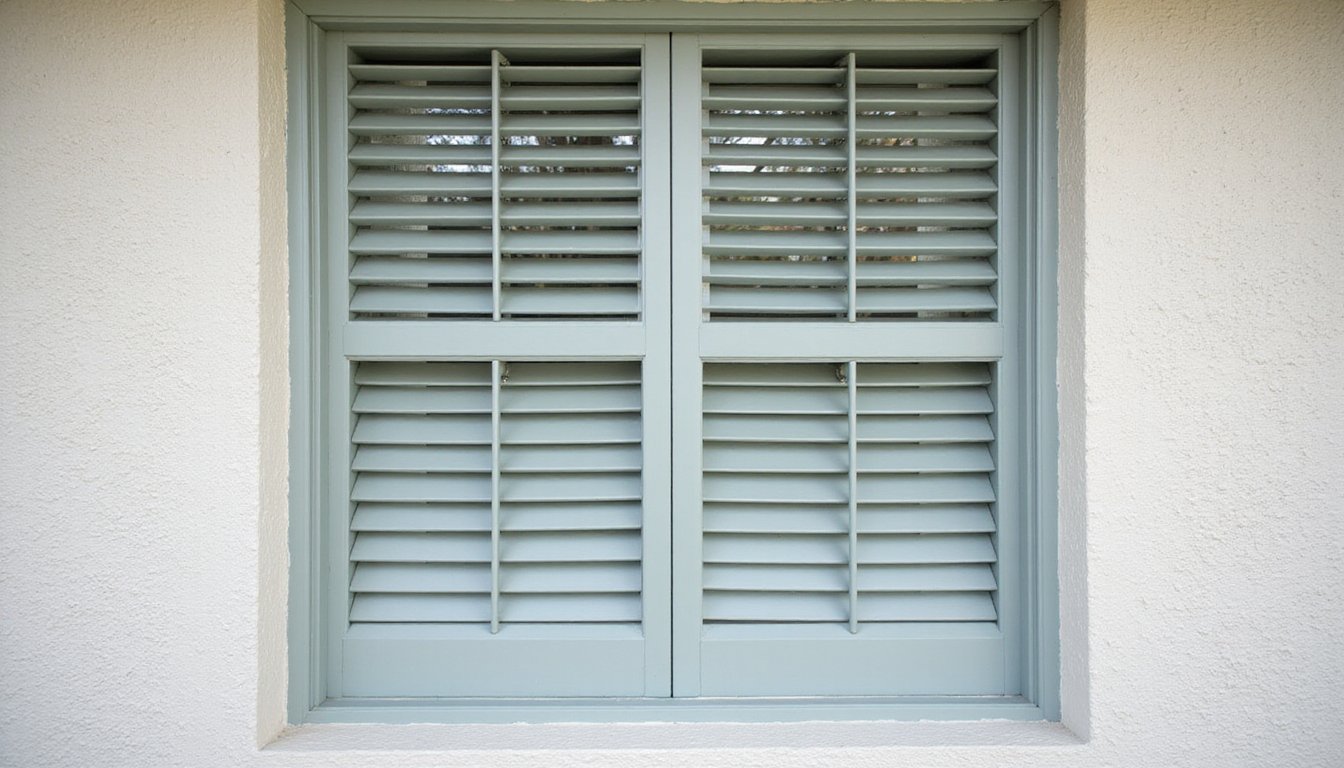
Glare is a common but underestimated drain on focus and comfort in the workplace, causing eye strain, headaches, and constant squinting. Controlling it with the right glazing, window film, shading, and screen positioning makes a real difference to how well people work. Because glare comes largely through windows, managing daylight at the glass is one of the most effective fixes. A more comfortable visual environment supports sharper focus and fewer distractions.
Call Today and Improve Your Workspace Comfort
From glare control to soundproofing to cooling efficiency, the right commercial windows change how your team performs every day. At Innovative Storm Defense serving Jupiter, FL, our skilled team delivers dependable Office Windows designed for Florida’s commercial demands. Call (561) 517-9399 today and upgrade your workspace.
Frequently Asked Questions
How Much Does Poor Office Lighting Cost Businesses in Lost Productivity?
It is hard to put an exact figure on it, but poor lighting and glare are linked to eye strain, fatigue, headaches, and reduced concentration, all of which chip away at productivity. Even small daily losses across a team add up over a year. Improving lighting and glare control is a low-cost way to protect focus and comfort.
Are Certain Employees More Sensitive to Glare Than Others?
Yes. Sensitivity varies with age, vision, and conditions like migraines or light sensitivity, and people who work long hours on screens tend to feel glare more. Because needs differ, flexible controls like adjustable shades and good screen placement, along with glare-reducing glazing, help accommodate everyone.
What Tools Can Measure Glare Levels at a Desk?
Glare can be assessed with light meters that measure illuminance and luminance, and designers use glare metrics to evaluate a space. For most offices, employee feedback and simple observation of squinting or screen reflections are enough to identify problem areas. A professional can take measurements if a more precise assessment is needed.
Does Screen Brightness Matter More Than Room Lighting for Glare?
Both matter, and they interact. A screen that is much brighter or dimmer than its surroundings forces the eyes to work harder, and window glare reflecting off a screen adds to the strain. Balancing screen brightness with room and daylight levels, and controlling window glare, together give the best results.
How Long Does Eye Strain From Glare Take to Recover?
Mild eye strain often eases within a short time after resting the eyes or removing the glare source, sometimes minutes to a few hours. Frequent or prolonged strain can linger and cause recurring discomfort. Reducing glare at the source and taking regular screen breaks helps the eyes recover and prevents it returning.