
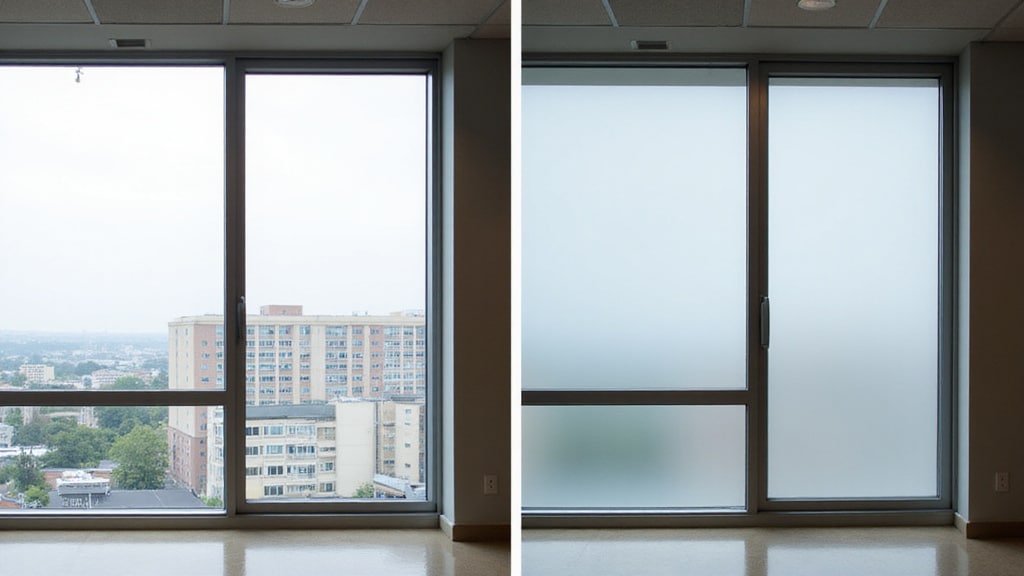
You can fix drafty old windows with storm panels that add a sealed second barrier, trapping still air to slow heat transfer. Choose panels that match your window’s operating style, preserving the original sash character and meeting egress needs. Look for built-in weatherstripping or gaskets to tighten the seal. Mechanically attached units need caulk; pressure-fit and magnetic ones simply press into place. Keep weep holes clear for drainage. There’s more worth knowing below.
Key Takeaways
- Storm panels stop drafts by adding a sealed second barrier that traps still air and slows heat transfer.
- Common draft causes include hardened weatherstripping, shrinking caulk, warped sashes, and loose hardware widening gaps over time.
- Match the panel’s operating style to your windows to preserve operability, egress, and original sash character.
- Mechanically attached panels require caulk before screwing in, while pressure-fit and magnetic panels install without fasteners.
- Check for condensation after installation, improving seals or slightly gapping the lower sash if moisture appears.
Fixing Drafty Old Windows With Storm Panels
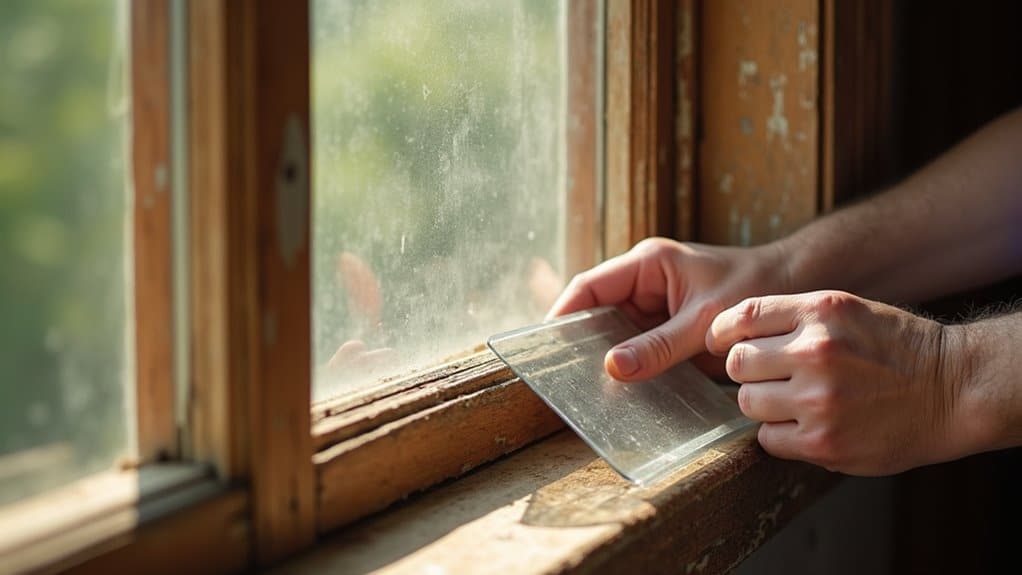
Storm panels fix drafty old windows by adding a sealed barrier that traps air, cutting cold infiltration while preserving your window’s historic profile. They offer a way to boost efficiency without sacrificing the character of original sashes.
Match the operating style of your existing sashes so you maintain operability and meet egress requirements in bedrooms. Choose storm window panels with built-in weatherstripping or gaskets between the panel and frame to improve sealing.
For mechanically attached units, apply caulk to the frame’s sides, top, and bottom before screwing them into place. Pressure-fit and magnetic panels press in without fasteners. If condensation appears, improve the seal or slightly gap the lower sash for drainage.
What causes old windows to become drafty
Old windows become drafty through several predictable failures as time and weather wear on even the finest joinery. As decades pass, weatherstripping loses its flexibility, hardening and cracking until it can’t seal moving parts against their frames. Caulk between the frame and wall shrinks and pulls away, opening hairline gaps that invite cold air. Sashes swell, warp, and settle out of square, so latches no longer pull them tightly closed. Loose hardware and debris-clogged tracks worsen the misalignment, widening gaps you’d never notice from across the room. That’s why drafty old windows plague so many historic homes. Understanding these root causes helps you decide where storm windows will do the most good, sealing the vulnerable points without sacrificing your window’s original character and craftsmanship.
How do storm panels stop drafts
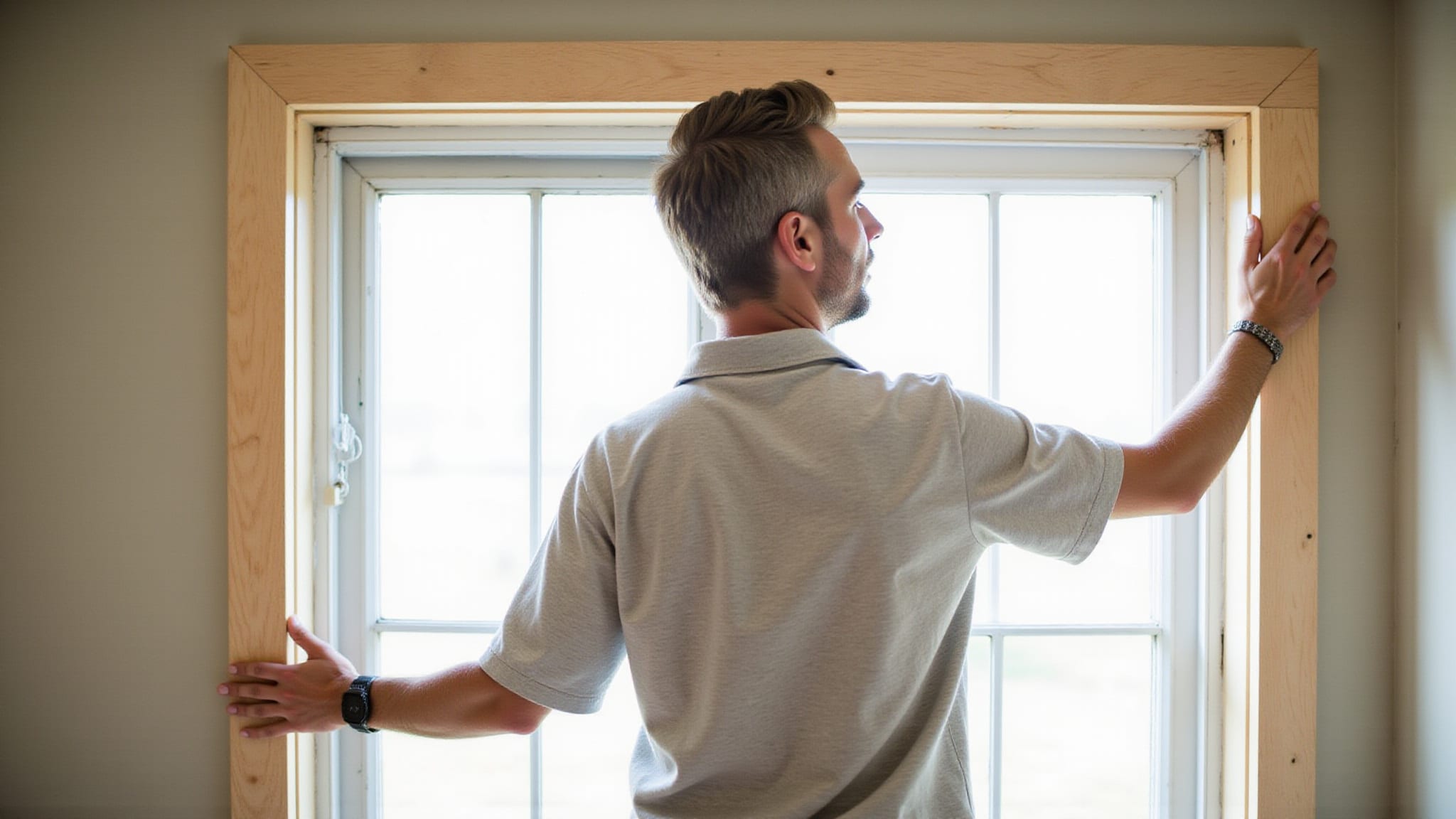
Storm panels stop drafts by adding a second sealed barrier just inside or outside your original sash, trapping a pocket of still air between the two layers. That air pocket does the real work, slowing heat transfer while the panel’s built-in weatherstripping or gaskets seal the perimeter against infiltration. When you match the storm panel’s operating style to your existing window, you maintain operability and egress without compromising the seal. Mechanically attached panels get caulk along the sides, top, and bottom before you screw them home, while pressure-fit and magnetic units press cleanly into place. Either way, you preserve the original sash and glass, addressing drafts without stripping out historic material. Leave the weep holes clear so trapped moisture drains and escapes properly.
What types of storm panels work best for old windows
The storm panels that work best for old windows match their operating style to your existing window, so you keep the sash functional and preserve egress in bedrooms. Look for models with built-in weatherstripping or gaskets between the storm panel and your existing frame, since these tighten the seal without altering the original window. When considering lanai window enclosure options, prioritize materials that can withstand strong winds and heavy rain. These features ensure that the enclosure remains durable and functional throughout various weather conditions.
You’ve got two practical mounting approaches. Mechanically attached panels demand caulk or sealant along the frame sides, top, and bottom before you screw them into place, a durable, permanent solution. Pressure-fit and magnetic panels, by contrast, press directly into position without caulk or fasteners, making them ideal when you want to protect historic trim and reverse the work later.
Choose the type that respects your window’s character while delivering the seal you need.
How do you install storm panels on drafty windows
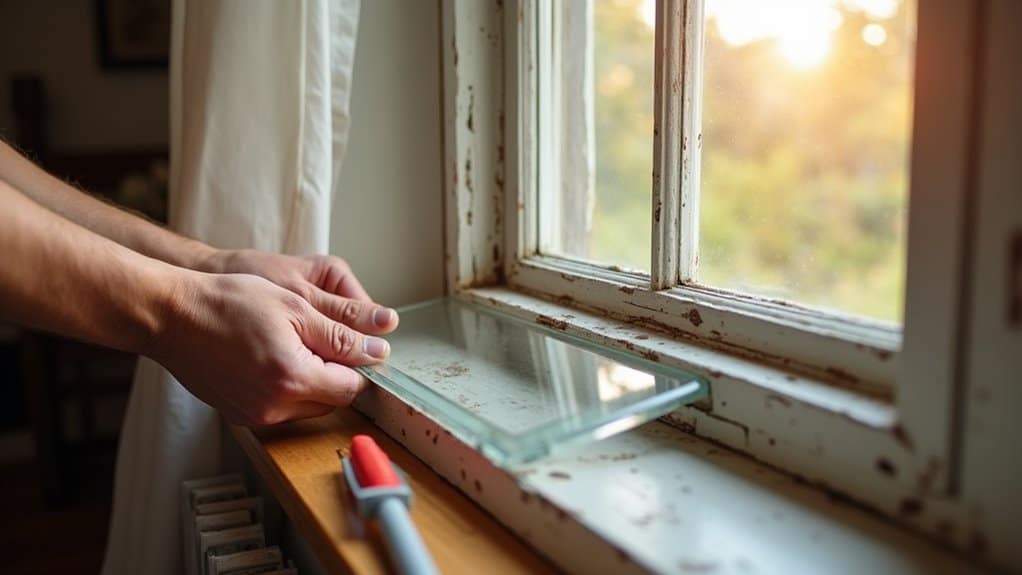
Install storm panels using the mounting method you’ve selected for your window. For mechanically attached storm windows, apply caulk or sealant along the frame sides, top, and bottom before screwing the unit into place. This creates a durable, weathertight bond while preserving the original window beneath. For pressure-fit or magnetic panels, simply press each unit into position, no caulk or fasteners required, which protects historic frames from permanent alteration.
Watch for condensation after installing. If moisture appears, improve the panel’s seal or slightly gap the lower sash at the sill, letting trapped moisture escape. Never block weep holes during this process; they’re essential for drainage. Careful attention here safeguards both your comfort and your window’s long-term integrity.
What other benefits do storm panels offer
Storm panels offer benefits that make them worth every bit of the effort beyond blocking drafts. When you match the operating style of your existing windows, you preserve both their function and their historic character while gaining measurable performance. You get real improvements without sacrificing the original craftsmanship that makes old windows worth saving.
- Match the operating style to maintain egress requirements, keeping bedrooms safe and windows fully functional.
- Choose models with built-in weatherstripping or gaskets to strengthen the seal against your existing frames.
- Improve seals promptly if condensation appears, protecting your original sash from moisture damage.
- Slightly gap the lower sash at the sill to let trapped moisture escape.
- Pair panels with thermal curtains or cellular shades for compounded energy efficiency.
How do you choose storm panels for your old windows
Choose storm panels by matching them to how your existing windows operate. If your originals slide, tilt, or crank open, choose a storm window that mirrors that operating style, preserving both function and egress in bedrooms where escape routes matter. When comparing storm window options, consider the durability of materials like fiberglass or aluminum.
Look for models with built-in weatherstripping or gaskets between the panel and your existing frame, since that’s where sealing quality lives. These details separate a tight installation from a leaky one.
Consider how you’ll attach each unit. Mechanically fastened panels need caulk along the sides, top, and bottom before screwing them home, while pressure-fit or magnetic units simply press into place without fasteners.
Match the panel to your window, and you’ll protect the original craftsmanship underneath.
Conclusion: Solving Drafty Windows With Storm Panels
Storm panels are an effective, affordable way to tame drafty old windows, adding a barrier that blocks air leaks and cuts heat loss without replacing the original windows. They improve comfort and lower energy bills while preserving the look of an older home. For homeowners not ready for full replacement, storm panels deliver a noticeable difference at a modest cost. A well-fitted panel is a practical fix for an aging, drafty window.
Call Today and Enjoy a Quieter, Cozier Home
Whether you’re stopping drafts, blocking UV rays, or cutting outside noise, the right storm windows deliver every benefit at once. At Innovative Storm Defense serving Boca Raton, FL, our skilled team delivers dependable Storm Windows built for Florida homes and lasting performance. Call (561) 517-9399 today and protect what matters most.
Frequently Asked Questions
How Much Do Storm Panels Typically Cost to Buy?
Storm panels are relatively affordable, with the price depending on size, material, and whether they are interior or exterior, standard or custom. Basic panels cost little, while larger or custom units cost more. Buying several at once can reduce the per-unit cost, and a quote for your specific windows gives the clearest figure.
Can I Install Storm Panels Myself or Hire Someone?
Many interior storm panels are designed for straightforward DIY installation, while exterior panels and custom fits may be better handled by a professional for a secure, weathertight result. Proper fit is key to stopping drafts. If you are comfortable measuring and mounting accurately, DIY can work; otherwise, professional installation ensures the best seal.
How Long Do Storm Panels Usually Last?
Quality storm panels can last many years, often a decade or more, depending on the material and exposure. Aluminum-framed and durable acrylic or glass panels hold up well. Keeping them clean and stored carefully when removed extends their life, so panels are a long-lasting, low-cost way to improve old windows.
Do Storm Panels Require Special Maintenance or Cleaning?
Not much. Clean the glass or acrylic with a soft cloth and a mild cleaner, avoiding abrasive products, and check the seals or gaskets occasionally. Removable panels should be stored safely when not in use. This simple care keeps them clear, sealing well, and lasting for years.
Will Storm Panels Affect My Window’s Appearance From Outside?
Interior panels have little to no effect on the exterior look, which makes them popular for historic homes. Exterior panels are visible but come in styles and colors designed to blend with the window and trim. Choosing a panel that matches your frames keeps the change subtle while still improving performance.