
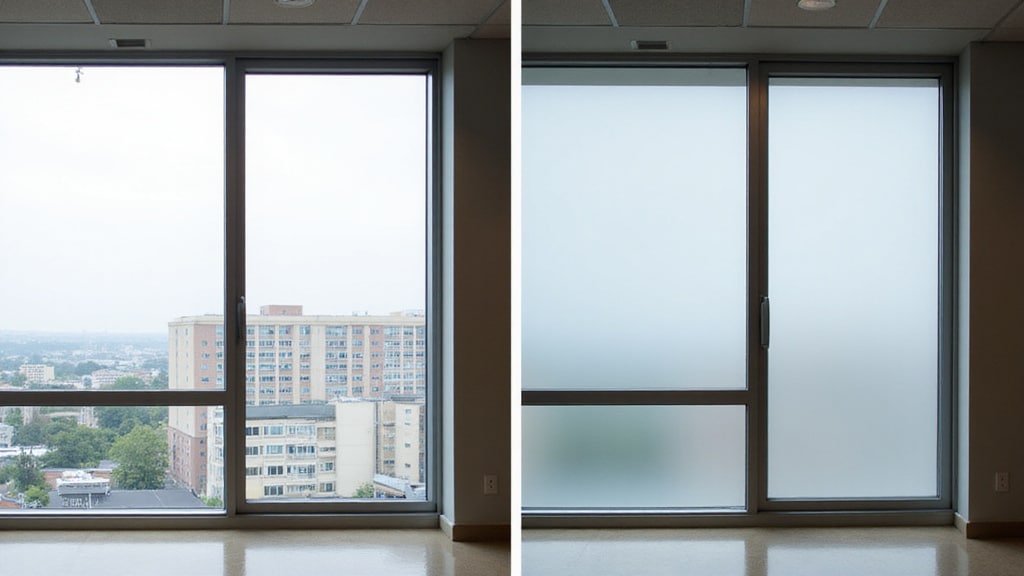
Choosing your lanai enclosure comes down to climate performance and code compliance. Glass delivers the best insulation and meets Florida Building Code with impact-rated panels, making it your all-season pick. Vinyl resists corrosion and salt air, offering affordable, low-maintenance protection. Acrylic handles heat well and provides solid impact resistance, but it’s best for seasonal use. Each material matches different exposure and budget needs. Keep going to find the right fit for your home.
How to Pick the Right Lanai Enclosure
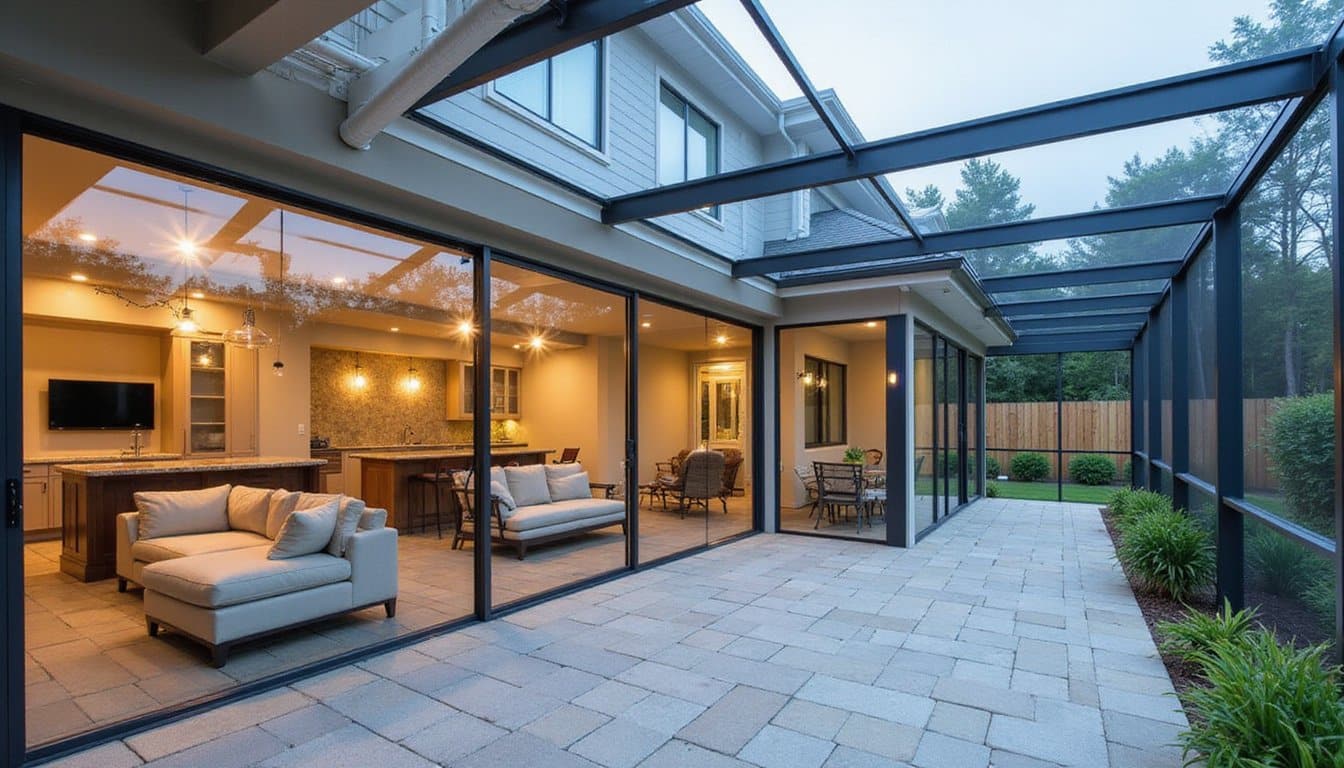
How do you pick the right lanai enclosure when three materials compete on cost, comfort, and storm performance? Start with intended use. For temporary, seasonal, or budget-oriented spaces, acrylic works, though it’s scratch-prone and offers only fair insulation. For full-time enclosed living, prioritize heat control and durability over time. Among lanai enclosure materials, vinyl lanai panels deliver excellent insulation, high durability, and low maintenance against Florida heat, humidity, and rain, plus moderate-to-high clarity with tinted options. A glass lanai enclosure provides very high durability, the strongest temperature control, and crystal-clear visibility, making it the premium four-season choice. Glass windows can also include Low-E coatings and double or triple-pane designs that enhance temperature control and noise reduction. Weigh five decision factors: comfort, insulation, durability, visibility, and maintenance needs. In Florida’s humid climate, vinyl and glass both perform reliably for year-round daily use.
Acrylic Lanai Enclosures: Cost and Best Uses
Anyone weighing enclosure options will find acrylic sliding panels sit squarely in the middle of Florida’s cost and performance range. These stiff transparent panels slide horizontally in tracks at the top and bottom of each opening, sealing far better than vinyl while preserving outdoor visibility. Expect lanai enclosure cost to run $25 to $55 per square foot installed, with custom projects ranging from $2,000 to $10,000 depending on size and structural complexity. For lasting performance, these enclosures rely on corrosion-resistant hardware made from weather-treated aluminum and stainless steel to prevent rust and maintain structural integrity.
Acrylic sliding panels strike the middle ground in Florida, better sealing than vinyl, clear visibility, and costs running $25 to $55 per square foot installed.
The best uses for acrylic lanai enclosures include:
- Upgrading existing lanais without rebuilding the structure
- Air-conditioning a room-like space across more seasons
- Blocking rain, debris, and insects more effectively than screens
- Pool-adjacent spaces where year-round use matters
Vinyl Lanai Enclosures: The Florida Favorite
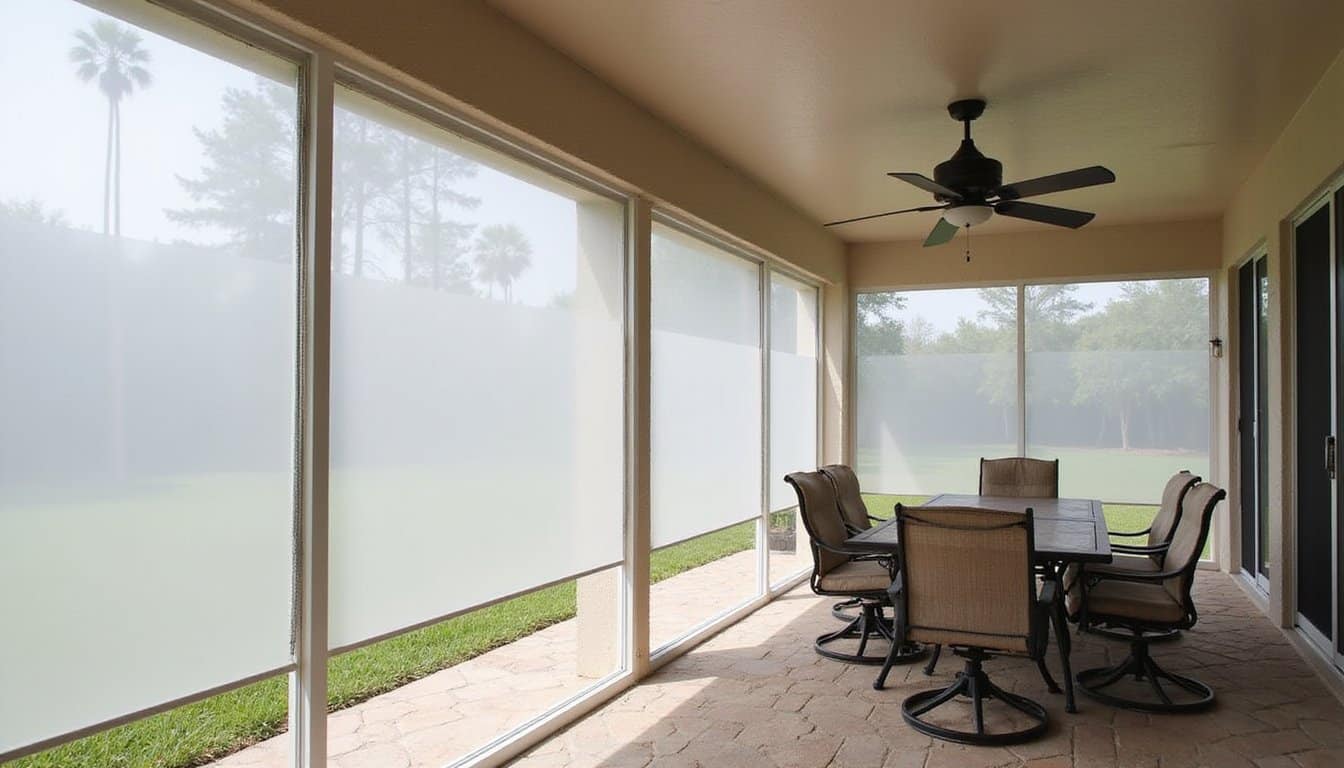
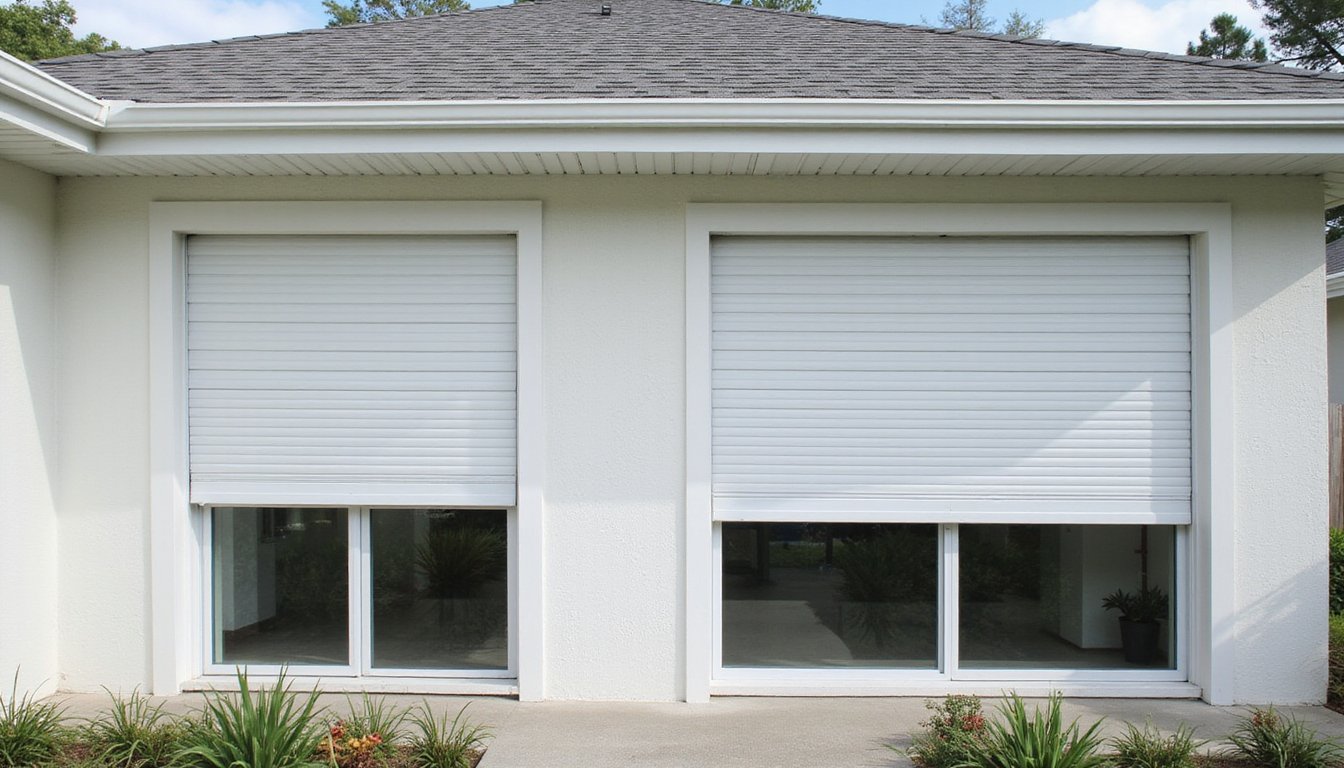
If acrylic sits in the middle of Florida’s cost range, vinyl roll-down panels anchor the affordable end at fifteen to forty dollars per square foot installed. These clear flexible sheets roll into a tube above each opening and lower with straps or motorized drives. They’re not hurricane rated, so you must retract them before a storm. Vinyl lanai enclosures won’t deliver a fully climate controlled lanai, but they block bugs, debris, and UV rays while reducing solar heat gain.
The protection benefits matter in Florida: you keep out mosquitoes, lovebugs, bees, wasps, lizards, raccoons, and possums, plus dust and dirt. Specify corrosion-resistant hardware against salt air and humidity, and confirm precision foundation leveling on sandy soil. Many systems use 20mm-thick PVC clear window construction. Vinyl windows also feature vent systems that let in cool breezes.
Glass Lanai Enclosures: The All-Season Pick
If you want true all-season performance, glass lanai enclosures deliver year-round comfort through insulated double-pane glazing that controls interior temperatures, blocks UV rays, and supports energy efficiency. You’ll pay a premium, sixty to one hundred twenty dollars per square foot installed, but that cost reflects the laminated hurricane glass and reinforced aluminum frames behind the system. In exchange, you get the highest resale value among Florida lanai conversions, making glass a sound long-term investment.
Year-Round Comfort and Insulation
Because glass enclosures use the same laminated, impact-rated glass found in a primary residence’s windows, they deliver the strongest insulation and the most stable indoor conditions of any lanai system. When you pair an impact glass lanai with HVAC, ceiling fans, or supplemental heating, you get true climate-controlled use across every season. Double-pane insulated glass moderates Florida’s heavy cooling loads while still preserving natural light.
- Blocks harmful UV rays, protecting furnishings and occupants without sacrificing transparency
- Reduces heat, wind, and rain intrusion, supporting year-round comfort
- Stabilizes interior temperatures, easing AC demand and managing chilly winter conditions
- Maintains panoramic views and insect protection, improving livability
Unlike vinyl or acrylic, glass lanai window enclosures give you four-season usability with sunroom-like comfort and dependable insulation.
Cost and Resale Value
While glass lanai enclosures carry the highest price tag of any system, they deliver the most finished result and the strongest buyer appeal. You’ll pay $60 to $120 per square foot installed, with full projects often running $8,000 to $20,000, and custom Jacksonville builds reaching $15,000 to $40,000. Size, double-pane glazing, doors, outlets, and concrete block knee walls all push totals upward. Compared with roll-down lanai panels or a sliding acrylic lanai, glass demands substantial reinforced framing and finish work, which explains the premium.
For resale, treat your florida lanai conversion as a high-end upgrade. Glass reads as an integrated extension of the home, delivering year-round usability and a cleaner appearance than screening. Your actual dollar-for-dollar return, though, depends on local market conditions and appraisal treatment.
Vinyl vs Acrylic vs Glass at a Glance
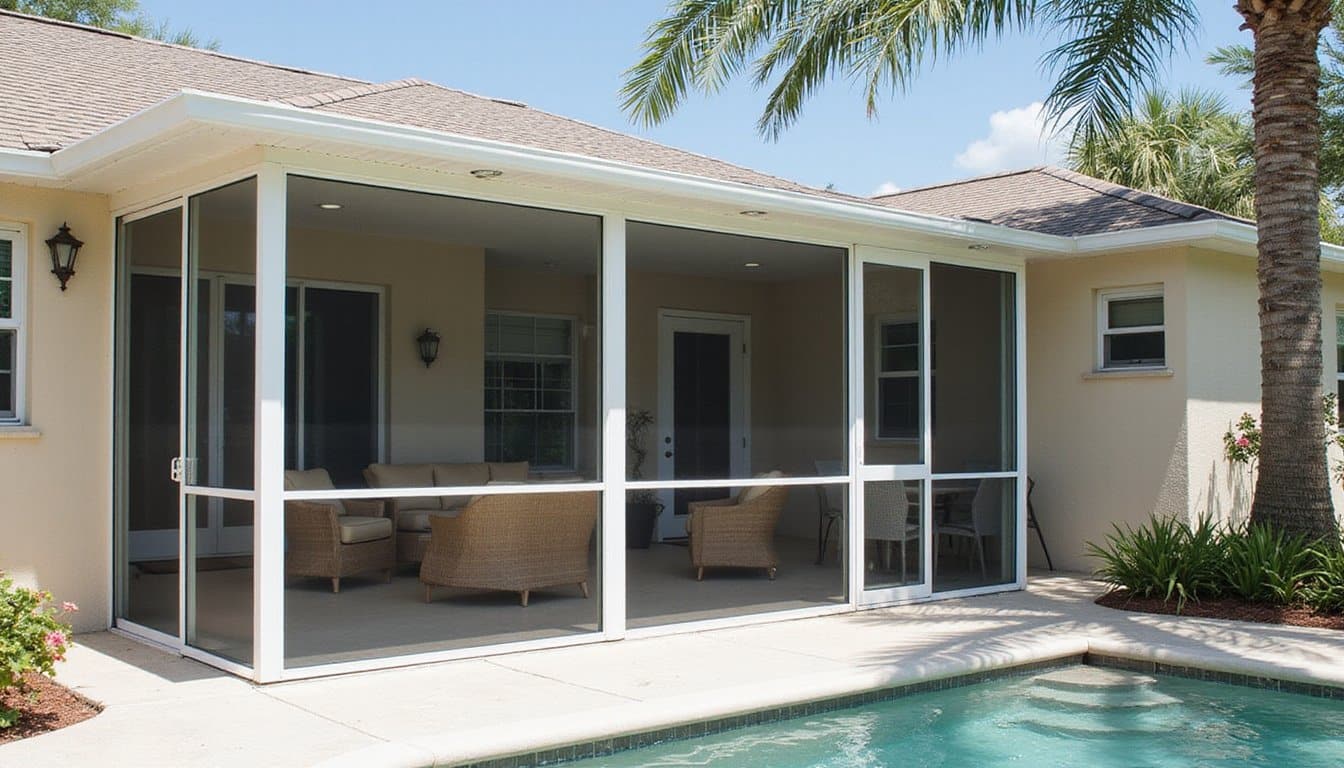
Three materials dominate Florida lanai enclosures, vinyl, acrylic, and glass, and each lands in a distinct spot on the cost, clarity, and durability spectrum. You’ll match the material to how you intend to use the space, weighing sealing, optical clarity, and storm rating against your budget.
- Vinyl: Flexible roll-down panels at $15, $40 per square foot; occasional weather sealing, not impact rated, slight haze.
- Acrylic: Stiff sliding panels at $25, $55 per square foot; lighter than glass, AC-capable seal, prone to bowing.
- Glass: Impact-rated laminated panels at $60, $120 per square foot; full hurricane protection, highest clarity, best resale.
- UV factor: Watch for yellowing on non-UV-resistant panels under Florida sun.
You’ll find clarity rises and budget tightens as you move toward glass.
What Do Lanai Enclosures Cost Per Square Foot?
The per-square-foot cost of a lanai enclosure depends on whether you’re screening an existing porch or building new. If you’re adding screens to an existing porch, expect $10 to $25 per square foot installed, since the foundation and roof are already in place. Building new runs $50 to $175 per square foot because you’re covering the foundation, roof frame, and screens. In Florida, a practical planning range is $12 to $45 per square foot installed. Basic attached structures land at $12 to $22, while taller pool-cage-style enclosures reach $18 to $30 or more. Remember that wind-load upgrades and heavier framing can add 10% to 35%. Smaller projects cost more per square foot because fixed expenses spread across fewer square feet, raising your effective rate.
Which Enclosure Handles Florida Heat and Humidity?
How does each material hold up when Florida’s heat and humidity run year-round? Each material responds differently to sustained heat, moisture, and UV load, so match the system to how you’ll use the lanai.
- Glass: Delivers the best insulation and temperature control, making it the standard for all-season, climate-controlled Florida rooms.
- Vinyl: PVC-based construction resists moisture, warping, and corrosion, with good insulation and low maintenance, though quality matters in strong heat.
- Acrylic: Stays rigid and holds its shape in heat, but it’s sensitive to temperature and humidity shifts over time.
- UV exposure: Choose UV-stabilized vinyl or treated acrylic to prevent fogging, brittleness, and premature wear.
For full-time living, you’ll get the most comfort from glass, then vinyl, with acrylic trailing.
How Each Enclosure Holds Up in Coastal Storms
When you’re weighing storm performance, you need to separate impact and wind resistance from everyday humid-coastal durability, since they’re not the same metric. Acrylic carries the clearest explicit rating at up to 75 mph, while vinyl and standard glass lack documented wind or impact numbers in the cited sources, and only impact-rated laminated glass meets full hurricane code. You’ll also want to factor in how each material handles year-round heat, humidity, and rain, because long-term durability affects how your enclosure holds up between major storms. Repairing drafty windows can significantly improve energy efficiency, reducing heating and cooling costs.
Impact and Wind Resistance
Three materials, vinyl, acrylic, and glass, handle coastal storms very differently, and you’ll want to weigh impact rating above appearance before you commit. Impact-rated systems rely on laminated glass and an interlayer that holds fragments together, keeping the barrier intact against wind and rain even after debris cracks the outer pane. Storm window benefits include enhanced protection against extreme weather conditions, providing peace of mind for homeowners. Many homeowners choose triple-track storm windows for their versatility and effectiveness in harsh climates. These windows offer additional insulation, helping to reduce energy costs and improve comfort inside the home.
- Impact glass meets strict Florida Building Code standards and sets the strength benchmark, cracking without fully shattering.
- Impact-rated vinyl uses a laminated interlayer-and-frame combination that anchors securely, though it stays below aluminum in structural strength.
- Acrylic offers good impact resistance but ranks lower-duty, suited for seasonal use.
- Solid panels made from vinyl, tempered glass, or acrylic may need removal once projected winds exceed 75 mph.
Choose impact ratings for genuine coastal storm protection.
Humid Coastal Durability
Because salt air, UV radiation, and persistent humidity attack enclosure materials differently, you’ll want to match each option to your home’s exposure before weighing upfront cost. Vinyl resists salt-air corrosion, UV degradation, and rust, making it a strong coastal performer when you inspect and reseal it annually to protect insulation and block moisture intrusion. Acrylic scratches easily and rates lower for full-time humid, storm-exposed rooms, so reserve it for seasonal, lighter-duty use. Glass delivers the highest long-term stability and insulation when paired with proper aluminum framing.
| Material | Coastal Durability | Maintenance |
|---|---|---|
| Vinyl | High; resists salt, UV, corrosion | Annual reseal, clean |
| Acrylic | Lower; scratch-prone | Soft cloth, non-abrasive cleaner |
| Glass | Very high; best long-term | Standard cleaning, framing checks |
Match material to exposure.
Which Lanai Enclosure Adds the Most Home Value?
If you’re weighing resale return, glass impact-rated enclosures add the most home value of the three options. Buyers treat glass-walled lanais as permanent, year-round living space rather than screened add-ons, which supports stronger valuation. In Florida, enclosure value tracks quality, permanence, and usable square footage more than panel size, and glass wins on all three.
- Glass delivers the highest resale appeal through its finished, integrated, code-compliant appearance.
- Acrylic offers solid middle-ground value with a cleaner, more durable feel than vinyl.
- Vinyl ranks lowest, perceived as least permanent, though screened porches can recoup up to 50%.
- Integration matters most, enclosures that look intentional and well-built drive value.
You’ll maximize return when the conversion reads as a true, permanent extension of the home.
Which Lanai Enclosure Fits Your Plans?
How you’ll use the lanai should drive your material choice more than any single spec. If you want a casual, weather-blocking enclosure that retracts on demand, vinyl roll-down panels fit at fifteen to forty dollars per square foot, just plan for separation issues and routine maintenance. If you prioritize lighter weight, better sealing, and impact resistance over glass, acrylic sliders work at twenty-five to fifty-five dollars per square foot, supporting air conditioning and year-round use. If you want a permanent, high-clarity, room-like conversion with full hurricane protection and maximum resale value, choose impact-rated glass at sixty to one hundred twenty dollars per square foot. Match the system to your climate-control needs, storm-exposure requirements, and budget before specifying frames and track hardware.
Conclusion: Choosing the Right Lanai Window Enclosure
A lanai enclosure turns a porch into a comfortable, usable space year-round, and the material you choose shapes the result. Vinyl panels are affordable and flexible, acrylic offers more clarity and durability, and glass gives the most finished, permanent look with the best insulation. Weighing budget, weather protection, and how you will use the space points to the right option. For Florida homes, a well-chosen enclosure adds comfort, value, and protection from the elements.
Get Outdoor Protection Built for Florida Weather
From hurricane garage doors to lanai enclosures, smart outdoor upgrades protect your investment and extend the life of your home. At Innovative Storm Defense serving Boynton Beach, FL, our experienced team delivers dependable Storm Protection Services built for Florida’s toughest weather. Call (561) 517-9399 today and protect what matters most.
Frequently Asked Questions
Do Lanai Enclosures Require a Permit in Florida?
Usually, yes. Enclosing a lanai typically counts as a structural change, so most Florida jurisdictions require a permit, and coastal or high-wind areas have added requirements. HOA approval may also be needed. It is best to check with your local building department before starting, and a licensed installer can advise on and handle the permitting.
Can I Install Lanai Window Panels Myself?
Some lightweight vinyl panel systems are marketed for DIY, but a proper, weathertight, wind-rated installation matters, especially in Florida. Glass and acrylic enclosures are more involved and usually need a professional. Given permit and wind-load requirements, professional installation is generally the safer route for a durable, code-compliant enclosure.
How Long Does a Lanai Enclosure Installation Take?
It depends on the size, material, and scope, but many enclosures are completed within a few days to a couple of weeks once permits are in place. Glass systems and larger projects take longer than simple vinyl panels. Permitting and material lead times can add to the overall timeline, so a contractor can give a realistic schedule.
Do Lanai Enclosures Affect My Homeowners Insurance Premiums?
They can. Adding an enclosure increases your home’s value and square footage, which may affect coverage and premiums, and it should be reported to your insurer. A wind-rated, permitted enclosure may be viewed more favorably than an unpermitted one. Check with your insurer about how an enclosure affects your policy before building.
How Do I Clean and Maintain Enclosure Panels?
Cleaning depends on the material. Vinyl and acrylic panels do best with a soft cloth and mild soap, avoiding abrasive cleaners that can scratch, while glass can be cleaned like any window. Keep tracks and frames clear, and check seals periodically. Regular gentle cleaning keeps the panels clear and the enclosure in good shape.