
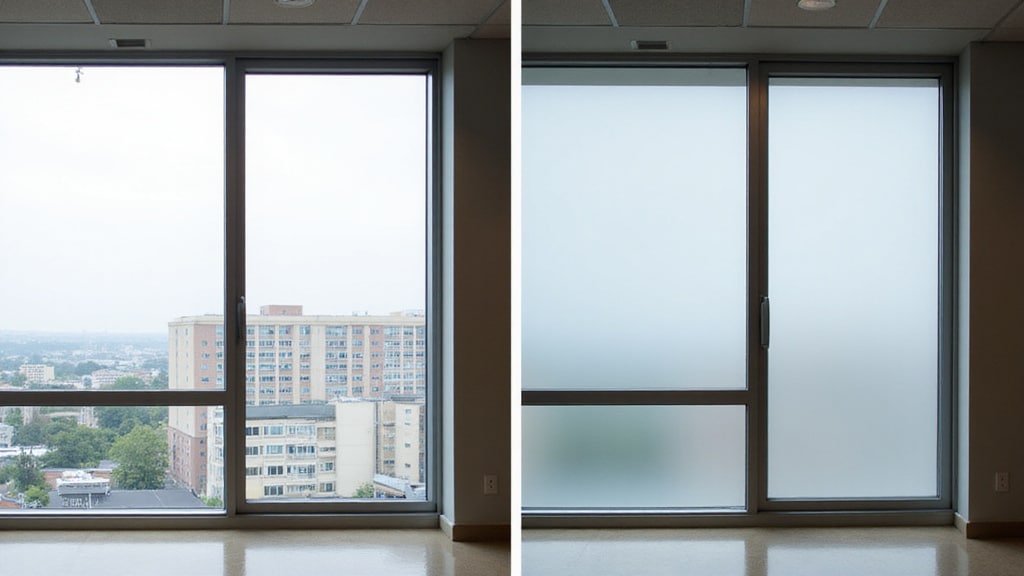
Triple-track storm windows give you three independent panels, a full screen and two glass panes, each riding in its own channel. You’ll control ventilation by lowering the top pane while raising the bottom, or mix glass and screen panels as needed. Unused panels store right in the frame, so you never pull anything out seasonally. They cut heat loss 25% to 50% and can double your window’s R-value. There’s more you’ll want to know below.
Key Takeaways
- Triple-track storm windows use three independent panels: a full-area screen, a top glass pane, and a bottom glass pane.
- Each panel rides in its own channel, sliding independently to control ventilation and mix glass and screen as needed.
- Unused panels store within the frame itself, eliminating the need for seasonal removal.
- They cut heat loss by 25% to 50% and can double the window’s R-value on older homes.
- They outperform double-track systems, offering more ventilation options and better insulation thanks to the extra track.
What are triple-track storm windows
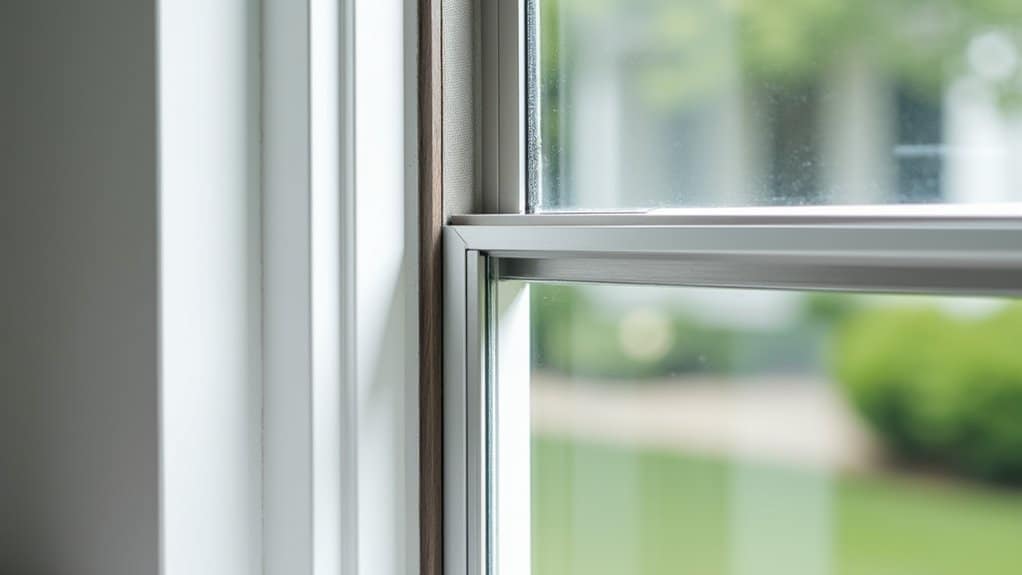
Triple-track storm windows are weather-resistant units built around three separate panels that slide on distinct tracks. The outermost track holds the screen covering the entire window area, the middle track holds the top pane of glass, and the inside track holds the bottom pane. Each panel resides in its own track, letting you slide them independently. You can lower the top pane while raising the bottom pane for ventilation. Compared to other storm window types, these units give you more flexibility, since you store unused panels within the frame itself. Among storm windows, this configuration delivers adjustable airflow without requiring you to remove any panels seasonally. Choosing the right storm window panels can significantly impact your home’s energy efficiency and comfort. Proper selection ensures that you get the best fit for your specific climate and needs.
How do triple-track storm windows work
Triple-track storm windows use three independent tracks, each holding a separate panel. The outermost track carries the full-length screen, the middle track holds the top glass pane, and the inside track holds the bottom glass pane. Because each panel rides in its own channel, you can slide them independently. Lower the top pane while raising the bottom pane to open airflow across the window. To mix ventilation, position glass and screen panels as needed. In triple track storm windows, you store unused panels within the frame itself rather than removing them. This independent sliding action gives you precise control over airflow, insulation, and seasonal adjustments without dismantling the entire unit.
What are the benefits of this design

Triple-track storm windows deliver measurable gains in comfort, efficiency, and convenience by layering glazing over your existing windows. You’ll cut heat loss by 25% to 50% and potentially double your window’s R-value, which matters most in homes built before the mid-20th century. The added glazing insulates and soundproofs your older single-pane windows. You’ll also get better ventilation than double-track systems allow. Since each pane and screen moves on its own track, you can mix glass and screen panels to fine-tune airflow, lowering a screen while raising the glass to control input. You won’t need to remove any panels for seasonal changes; store them right in the frame. When cleaning demands it, you can still remove panels, but you’re never required to.
How do they compare to double-track windows
Triple-track systems outperform double-track units because of their extra track. That third track gives each glass pane and the screen its own channel, so you get more ventilation options and better insulation. You can raise, lower, and mix panels without pulling anything out of the frame.
| Feature | Triple-Track | Double-Track |
|---|---|---|
| Number of tracks | Three | Two |
| Ventilation control | Adjustable, mix panels | Limited |
| Insulation | Higher R-value | Lower |
| Panel storage | Within frame | Often requires removal |
You’ll notice the difference most in older homes, where the added glazing layer boosts insulation and soundproofing. If you want flexibility and year-round performance, triple-track systems clearly outperform double-track alternatives every time.
How do you measure and install triple-track storm windows
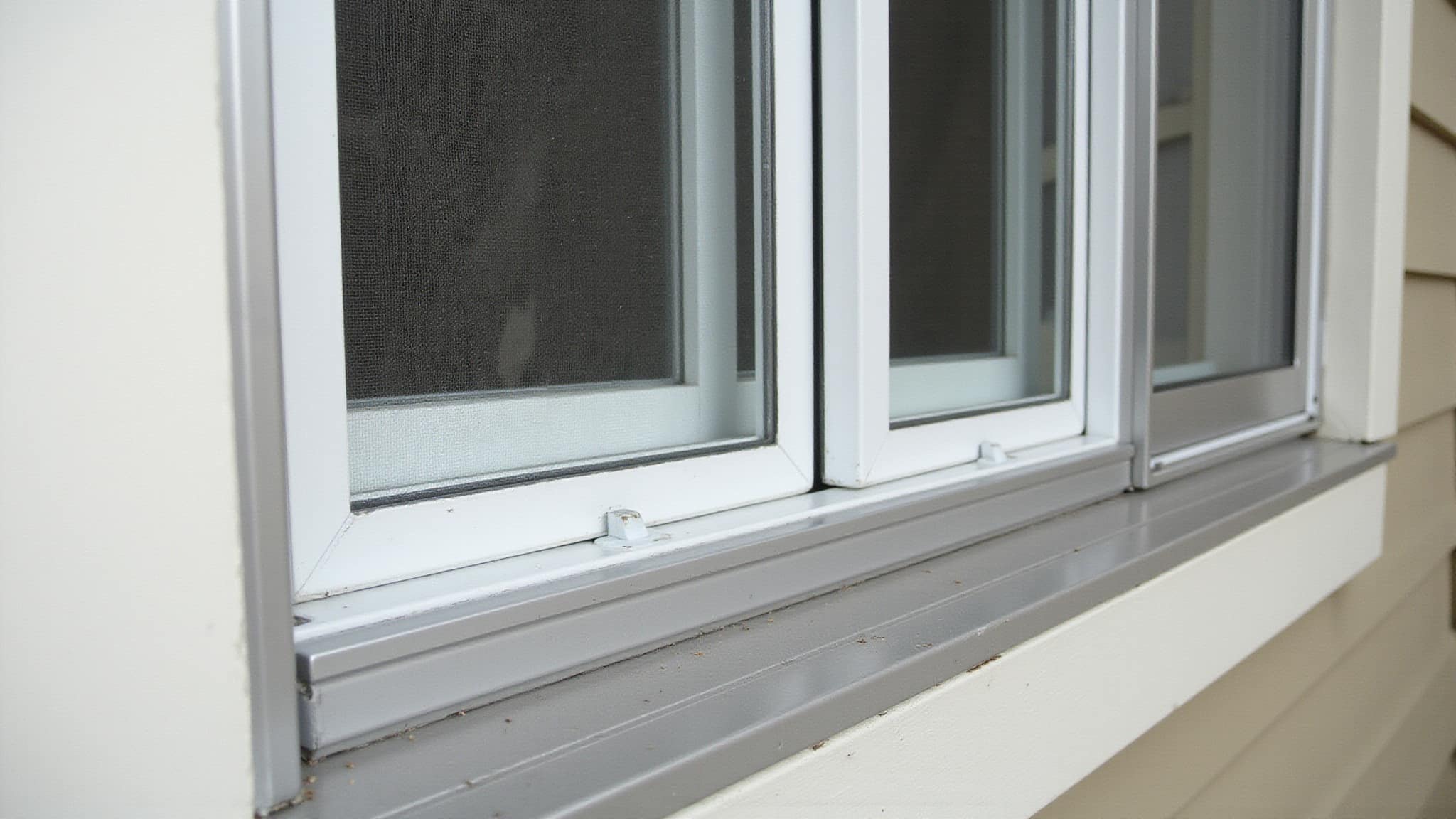
Measure triple-track storm windows by taking the width and height at their tightest points, then secure the frame to the window jamb while keeping the weep holes open. Accurate dimensions prevent gaps that compromise insulation and cause sliding issues. Take your measurements carefully before ordering or installing any unit.
- Width: Measure the narrowest distance between the inside moldings on both sides, ensuring you capture the tightest point.
- Height: Measure the shortest distance from the sill to the top molding, checking all four corners for consistency.
- Installation: Secure the lightweight metal frame directly to the window jamb, then verify the weep holes on the bottom sill expander stay open for seasonal moisture drainage.
Once installed, apply silicone lubricant with a Q-tip to each panel’s sliding edge, not inside the track gap, to improve performance.
How do you maintain them
Maintain your triple-track storm windows by regularly cleaning them, lubricating the panels, and keeping the weep holes clear so they slide smoothly and drain properly through every season. Start by applying a silicone lubricant to the sliding edge of each panel, not inside the track gap. Use a Q-tip for precise application, which improves sliding performance markedly without leaving excess residue that attracts dirt.
Next, check the weep holes on the bottom of the sill expander. These openings must remain clear to allow seasonal moisture to drain away, preventing water buildup and frame damage. Clear any debris that blocks them.
No panels require removal for seasonal changes, but you can remove them for thorough cleaning. Wipe the glass, screens, and tracks periodically to prevent grime accumulation that hinders smooth movement and reduces overall performance.
How do you choose the right ones for your home
Choose the right triple-track storm windows by starting with accurate measurements and a match to your home’s construction and style. Precise sizing ensures a snug fit that maximizes insulation and prevents air leakage. Exterior storm windows installation can significantly enhance your home’s energy efficiency. By blocking out drafts and providing an extra layer of insulation, they contribute to a more comfortable indoor climate.
Accurate measurements and a thoughtful match to your home’s style are the foundation of choosing storm windows that truly fit.
- Measure carefully: Record width using the narrowest distance between inside moldings on both sides. For height, use the shortest distance from sill to top molding across all four corners.
- Select frame materials: Choose wood, aluminum, or vinyl (PVC) based on your aesthetic preferences and architectural style. Metal frames offer lightweight durability against severe weather.
- Pick glazing options: Decide between standard glass or acrylic sheet materials for your panels.
Match your choices to your home’s age and needs, especially if you’re insulating older single-pane windows for added efficiency and soundproofing. Glass enclosure benefits include improved thermal insulation, which can drastically reduce energy costs. They also offer enhanced protection against the elements, ensuring that your living space remains comfortable year-round.
Conclusion: What Makes Triple-Track Storm Windows Useful
Triple-track storm windows combine glass and screen panels in a single frame that lets you adjust for ventilation, weather protection, and easy cleaning through the seasons. That flexibility, along with solid energy and noise benefits, makes them a popular choice for adding efficiency to existing windows. They are practical, adjustable, and long-lasting when well made. For many homes, triple-track storm windows are a versatile, cost-effective upgrade.
Upgrade Your Home With Trusted Storm Windows
Storm windows can transform your home’s comfort, energy efficiency, and protection all at once, if they’re installed right. At Innovative Storm Defense serving West Palm Beach, FL, our experienced team provides trusted Storm Windows with expert installation and premium materials. Call (561) 517-9399 today and book your free consultation.
Frequently Asked Questions
When Were Triple-Track Storm Windows First Invented?
Triple-track storm windows became widely used in the mid-20th century as a convenient, year-round alternative to swapping seasonal storm and screen panels. Their design, with multiple tracks for glass and screens in one frame, has been refined over the decades. Today they remain a common, practical option for improving existing windows.
What Glazing Materials Can Be Used Besides Standard Glass?
Besides standard glass, storm window panels can use tempered glass for added safety, low-E coated glass for better efficiency, or acrylic and polycarbonate for impact resistance and lighter weight. Each option balances cost, durability, clarity, and performance differently. The right choice depends on your priorities for safety, efficiency, and budget.
Can I Remove Panels Entirely for Deep Cleaning?
Yes. A key advantage of triple-track windows is that the glass and screen panels lift out or tilt in for cleaning, so you can remove them entirely to clean both sides. Handle panels carefully and follow the manufacturer’s guidance. This easy access makes seasonal deep cleaning much simpler than with fixed storm windows.
Are Vinyl Frames the Same as PVC Frames?
Essentially, yes. Vinyl window frames are made from PVC, so the terms are often used interchangeably. PVC vinyl is popular for storm and replacement windows because it resists moisture and corrosion, needs little maintenance, and insulates well. Quality varies by product, so it is worth comparing the specific frames rather than the label alone.
Do Triple-Track Storm Windows Help Reduce Outside Noise?
Yes. The extra pane and the air gap between the storm window and the primary window dampen sound, so triple-track units can noticeably cut outside noise, especially over single-pane windows. A tight seal improves the effect. For heavy noise, adding laminated glazing gives the strongest reduction.