
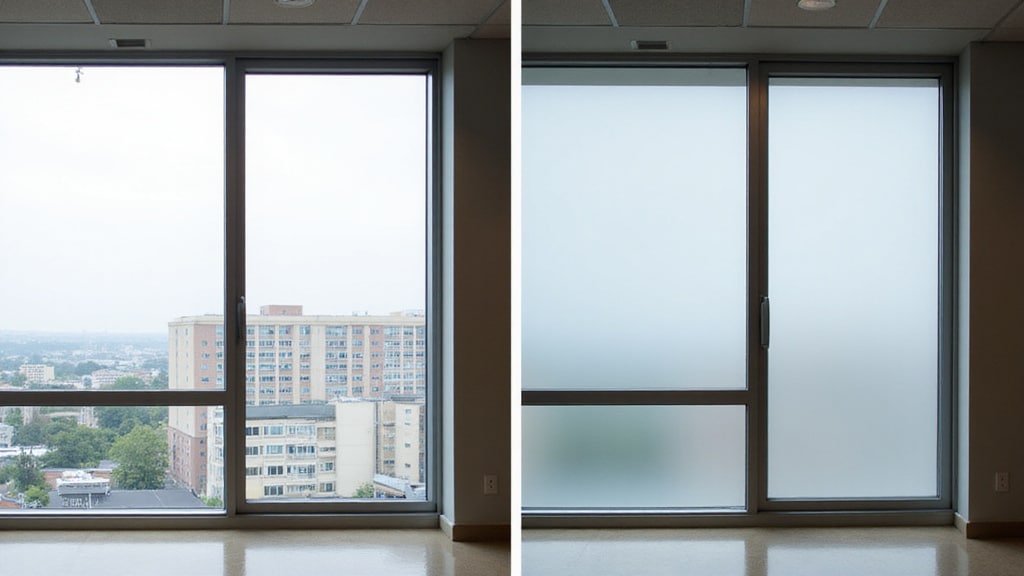
Both interior and exterior storm windows cut air infiltration by 90% and pay back in about 4.5 years. Exterior units cost you $164 to $287 installed, while interior inserts run $372 to $480. Exterior windows shield your prime window from weather, rain, and debris, extending its lifespan. Interior units win for multi-story or historic homes with limited access, offering removable cleaning. You’ll save $100 to $300 annually, but the right choice depends on more.
Key Takeaways
- Cost: Exterior storm windows run $164, $287 per unit, while interior units cost more at $372, $480 per unit.
- Protection: Exterior units shield prime windows from weather, water, and debris; interior units skip direct weather protection entirely.
- Maintenance & Access: Interior inserts remove easily for cleaning, while exterior units are permanent and harder to clean, especially on multi-story homes.
- Performance: Both cut air infiltration by 90% and deliver 10, 30% heating and cooling savings with a ~4.5-year payback.
- Best Use: Interior units suit historic or multi-story properties with limited exterior access; exterior units better resist harsh wind and rain.
Interior vs Exterior Storm Windows Compared
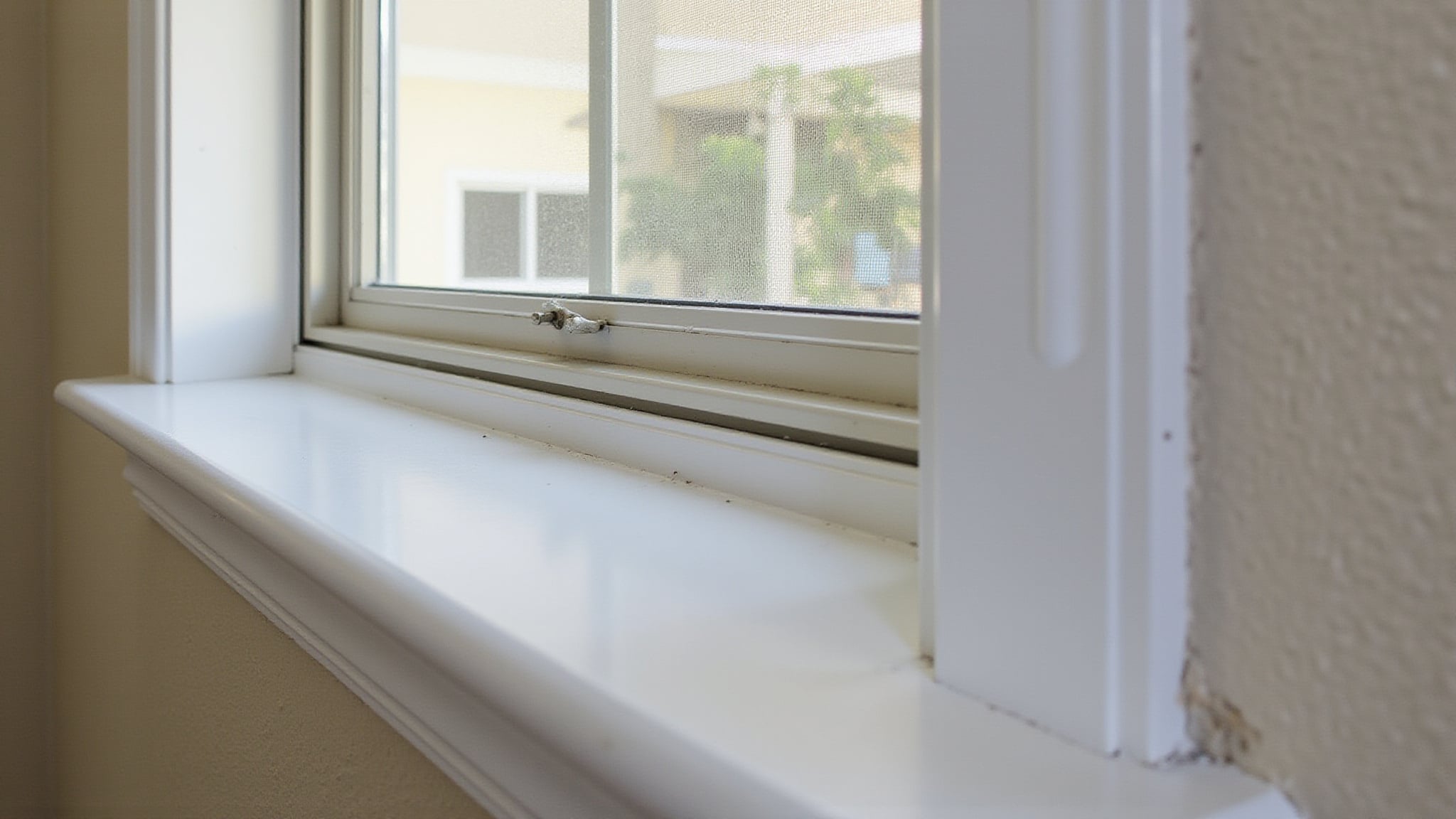
Interior and exterior storm windows differ most in cost, protection, and installation constraints. Cost separates the two storm window types immediately: exterior units run $164 to $287 per unit, while interior magnetic inserts cost $372 to $480. On performance, both cut air infiltration by 90% and reduce U-values from 1.0+ to 0.40 to 0.55 with low-E glass, saving 10 to 30% on heating and cooling. Exterior units shield your prime window from weather, dirt, and water, extending its lifespan. Interior units skip that protection but excel in multi-story or historic properties where exterior access is restricted. With a 4.5-year payback and 70% of replacement’s benefit at 20 to 30% of the cost, either type delivers strong ROI.
What are interior storm windows
Interior storm windows are secondary glazing panels that mount inside your existing window frame, adding a second glazing layer that cuts air infiltration by 90% and drops U-values from 1.0+ down to 0.40 to 0.55 with low-E glass. You’ll get thermal performance reaching 70, 80% of double-pane efficiency, translating to 10, 30% savings on heating and cooling costs. Expect $100 to $300 in annual energy savings per home.
Priced at $372 to $480 per unit installed, interior units cost more than basic exterior storm windows ($164 to $287), but they’re easier to install and remove for cleaning. You’ll want them for multi-story homes where exterior access is limited, or historic properties where code restricts exterior alterations. Unlike exterior storm windows, they won’t shield your prime window from weather. They’re strictly performance-driven upgrades.
What are exterior storm windows
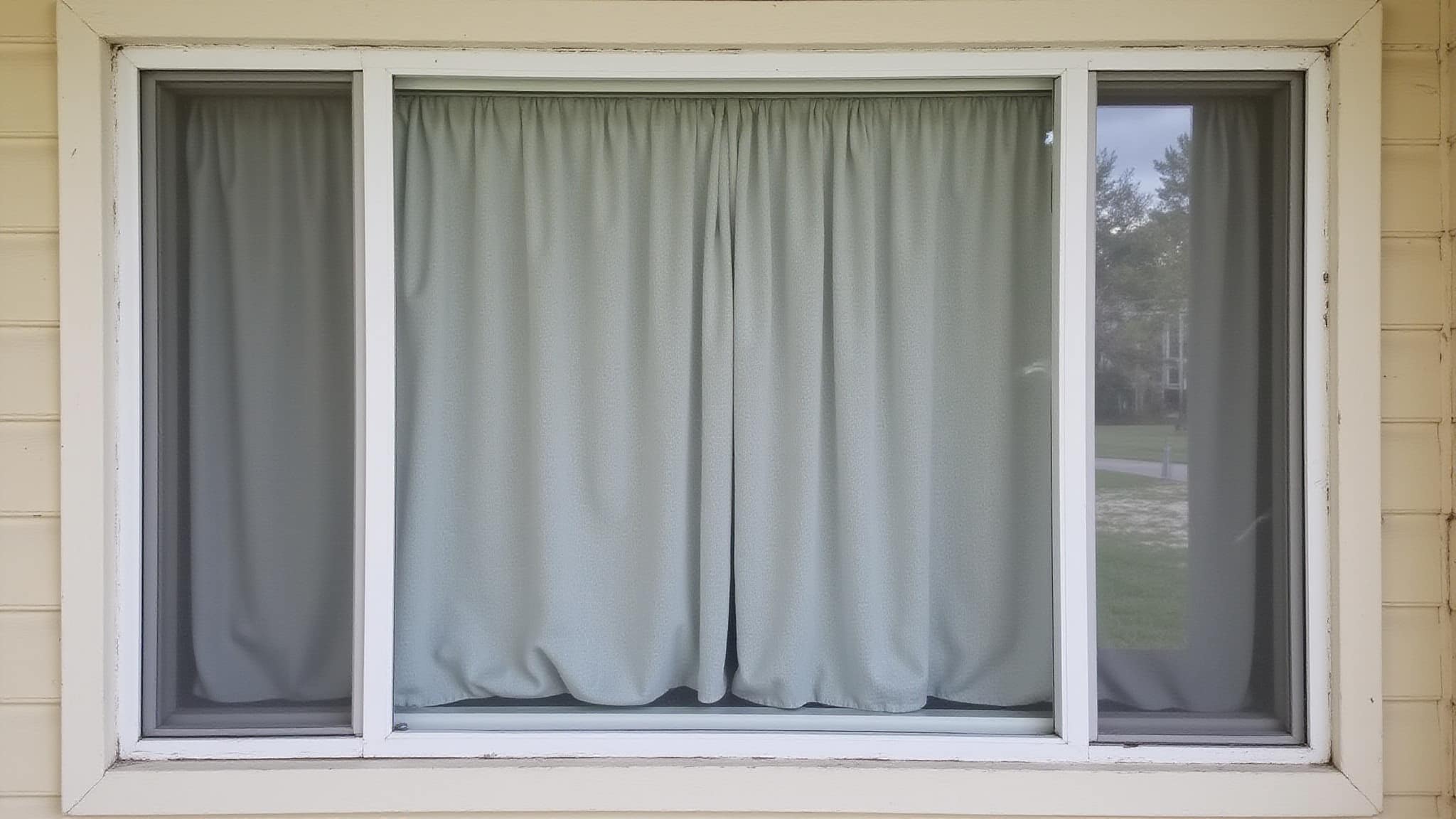
Exterior storm windows attach to the outside of your existing window frame, functioning as a permanent installation that both boosts energy efficiency and shields your prime window from weather, dirt, debris, and water damage. You’ll pay $164 to $287 per unit including labor, or $525 to $577 for traditional wood options. With low-E glass, they cut U-values from 1.0+ down to 0.40 to 0.55 and reduce air infiltration by 90%. That translates to 25 to 50% less heat loss and $100 to $300 in annual energy savings. They’re the stronger choice against harsh wind and rain, outperforming interior units on water infiltration resistance. Expect a 4.5-year payback and a 10 to 40 year lifespan. They extend your prime window’s life while delivering roughly 70% of replacement benefits at a fraction of the cost. Installing storm panels effectively can further enhance your home’s protection during severe weather events. Many homeowners find that investing in these panels can provide peace of mind, knowing that their windows are secured.
How do interior and exterior storm windows compare on cost and performance
Exterior storm windows cost less and interior units perform comparably, so the right choice depends on your priorities. Exterior units run $164, $287 per window, while interior magnetic inserts cost $372, $480. Yet interior options deliver 70, 80% of double-pane efficiency without exterior access.
| Metric | Figures |
|---|---|
| Exterior cost/unit | $164, $287 |
| Interior cost/unit | $372, $480 |
| U-value with low-E | 0.40, 0.55 |
| Air infiltration cut | 90% |
| Payback period | ~4.5 years |
You’ll see both slash heat loss 25, 50% and trim heating costs 10, 30%. Exterior units win on weather protection and lower price. Interior units win on accessibility and historic-code compliance. Either way, you’re capturing roughly 70% of replacement’s benefit at 20, 30% of the cost, with annual savings hitting $100, $300 per home.
What are the pros and cons of each type
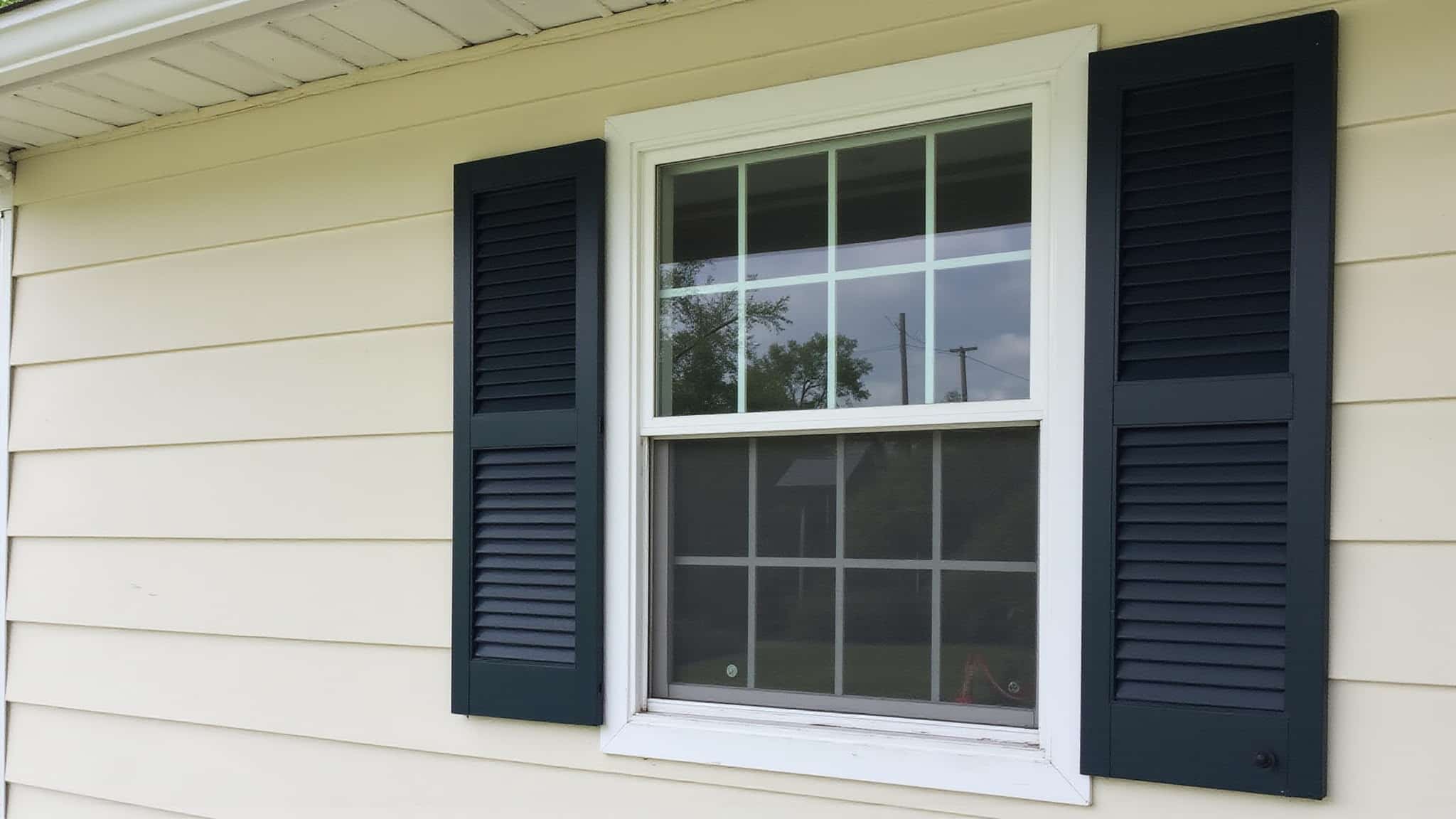
Exterior storm windows shield your prime window from weather, dirt, and water damage, extending its lifespan while cutting air infiltration by 90%. They resist high winds and water infiltration better than interior units, but their permanent installation makes cleaning harder, a drawback on multi-story homes. The benefits of triple-track storm windows include enhanced energy efficiency and improved comfort in your home. These windows allow for better airflow management, which can help regulate indoor temperatures throughout the year.
Interior inserts cost $372 to $480 versus $164 to $287 for exterior, yet they install and remove easily for cleaning. They hit 70, 80% of double-pane efficiency but won’t protect your prime window from the elements. For historic properties with exterior code restrictions, they’re your only compliant option. Weigh durability and weather protection against accessibility and installation flexibility to determine which maximizes your payback within that 4.5-year window.
Which storm window type is right for your home
Your building’s specifics determine which storm window type is right for your home. If you own a multi-story or historic property, interior inserts win. They mount from inside, install easily, and comply with codes restricting exterior alterations, all while delivering 70, 80% of double-pane efficiency at $372, $480 per unit. If weather protection matters, exterior units at $164, $287 justify their cost by shielding prime windows from wind, rain, and debris, extending window life and cutting air infiltration by 90%. Both options save $100, $300 annually, reduce heating costs 10, 20%, and pay back in roughly 4.5 years versus 40.5 for replacement. For a 12-window home, you’ll spend $1,800, $7,200 versus $5,000, $15,000 for full replacement. Prioritize exterior for harsh climates, interior for access-limited or restricted structures.
Conclusion: Interior vs Exterior Storm Windows: Which Is Right?
Interior and exterior storm windows both improve efficiency, but they suit different situations. Interior units are easy to install and remove, protect the look of a historic facade, and cost less to fit, while exterior units shield the primary window from the weather and are always in place. Weighing appearance, access, and how much weather protection you need points to the right choice. Either way, storm windows are a smart, affordable efficiency upgrade.
Call Today and Enjoy a Quieter, Cozier Home
Whether you’re stopping drafts, blocking UV rays, or cutting outside noise, the right storm windows deliver every benefit at once. At Innovative Storm Defense serving Boca Raton, FL, our skilled team delivers dependable Storm Windows built for Florida homes and lasting performance. Call (561) 517-9399 today and protect what matters most.
Frequently Asked Questions
How Long Do Storm Windows Typically Last Before Needing Replacement?
Quality storm windows commonly last a decade or more, with sturdy aluminum-framed units lasting longer when maintained. Exposure and care make a difference. Keeping the frames, tracks, and seals in good order helps them reach their full lifespan, and both interior and exterior types can protect the primary window as they do so.
Can Storm Windows Reduce Outside Noise in My Home?
Yes. The extra pane and air gap dampen sound as well as heat, so storm windows can noticeably cut outside noise, especially over single-pane windows. Interior units with a good seal often perform particularly well for noise. For serious noise problems, pairing them with laminated glass gives the biggest reduction.
Do Storm Windows Help Protect Against UV Damage?
They can. Many storm windows, particularly those with low-E coatings or UV-resistant glazing, reduce the ultraviolet light that fades floors, furniture, and fabrics. If UV protection is a priority, look for storm windows rated to block a high percentage of UV, and combine them with window treatments for the best results.
What Is the Payback Period for Installing Storm Windows?
It depends on your energy costs and how leaky the existing windows are, but many homeowners recover the cost through energy savings within a few years, especially over single-pane windows. Because storm windows cost far less than full replacement, the payback is often quicker. An energy assessment can estimate it for your home.
Can I Install and Remove Storm Windows Myself for Cleaning?
Often, yes. Many interior and triple-track storm windows are designed so panels tilt in or lift out for easy cleaning, which a homeowner can do. Exterior units may be more involved. Following the manufacturer’s instructions and handling panels carefully makes seasonal cleaning and removal straightforward.