
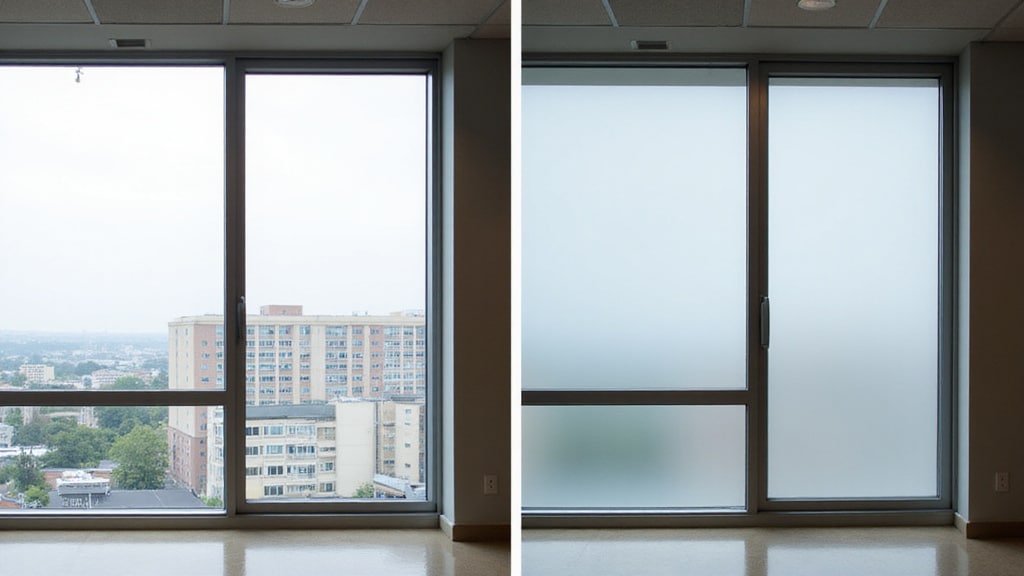
Storm windows control condensation by raising your interior glass surface temperature above the dew point. When warm, moisture-rich indoor air contacts cold single-paned glass, it cools past the dew point and deposits liquid. Adding a second glazing layer, with a minimum ½-inch air space and edges sealed tightly, keeps interior surfaces warm and dry. Seal the inside tighter than the outside for best results. There’s more you’ll want to know about proper placement and selection.
Key Takeaways
- Storm windows control condensation by adding a second glazing layer that raises interior glass temperature above the dew point.
- Condensation forms when warm, moisture-rich indoor air contacts cold glass and cools past its dew point.
- Maintaining a minimum ½-inch air space between panes ensures effective thermal insulation and higher surface temperatures.
- Sealing edges tightly, with the inside sealed tighter than outside, keeps warm, humid air from reaching cold surfaces.
- Condensation should form on the outer storm pane; moisture on the inner glass signals seal failure.
Storm Windows and Condensation Control
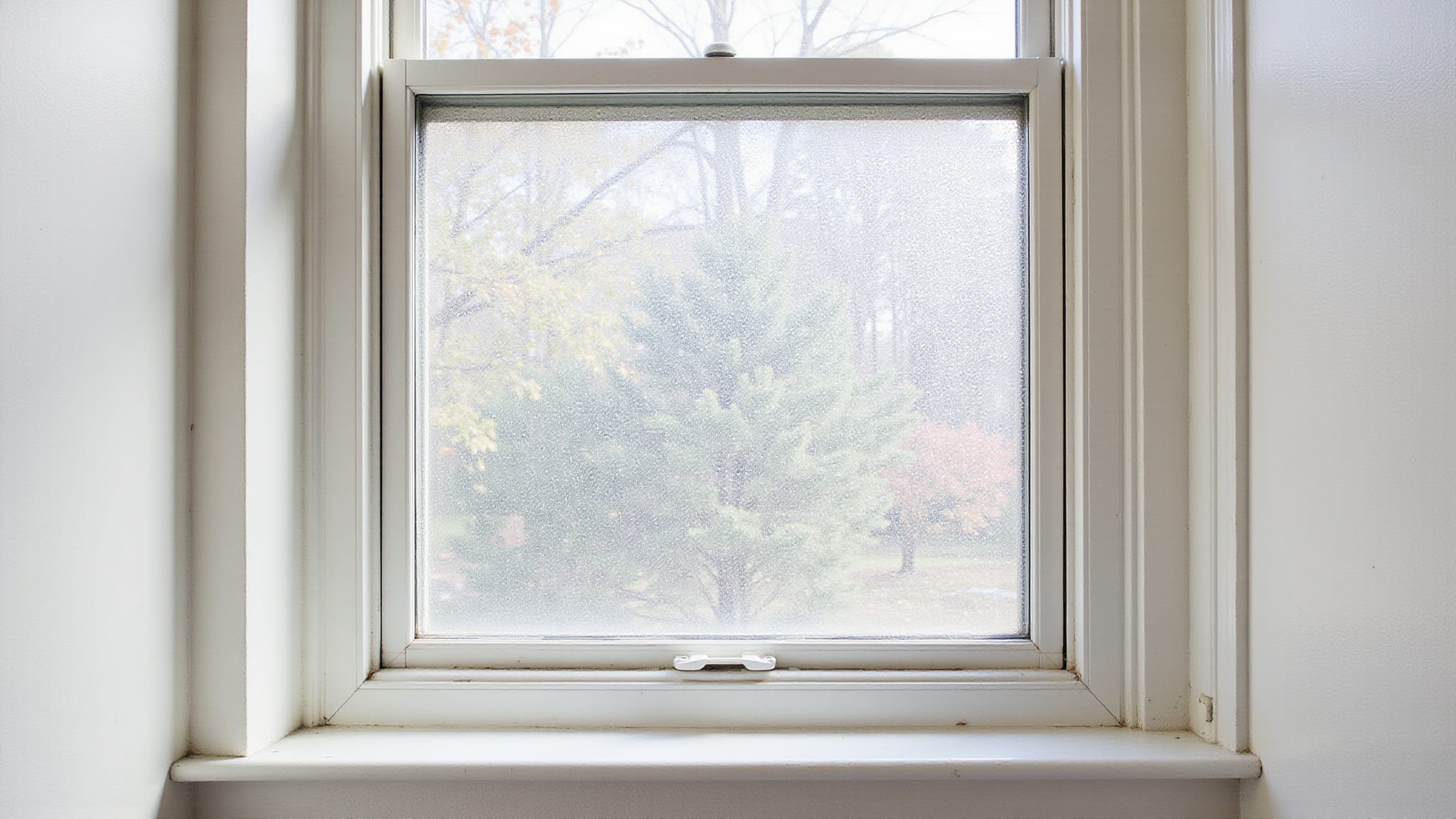
Storm windows control condensation by raising interior glass surface temperatures, which reduces the moisture buildup that occurs when warm, moisture-rich air contacts the cold surface of single-paned windows. Because single-paned windows maintain low interior glass temperatures, they’re prone to condensation. Effective storm window condensation control depends on maintaining a minimum ½-inch air space between the primary window and the storm window, delivering proper thermal insulation. How storm windows reduce external noise is another significant benefit. They create an additional barrier that dampens sound waves, leading to a quieter indoor environment.
You’ll need to seal the storm windows along all edges, preventing warm, moist air from reaching the cold surface between panes. Seal the inside window more tightly than the outside window, keeping humid interior air away from the intervening space. For exterior-mounted units, weatherstrip all sides of the operable sash. Interior-mounted units require continuous closed-cell foam, V-strip, felt, or magnetic weatherstripping sealed against the frame. Properly installed storm windows can contribute to energy efficiency by creating an additional layer of insulation. Moreover, how storm windows block uv rays helps protect your furnishings from fading and keeps your home cooler in warmer months.
What causes condensation on windows
Window condensation forms when warm, moisture-rich air contacts a cold glass surface. Single-paned windows commonly develop this problem because their interior glass runs at low surface temperatures. As warm indoor air carrying water vapor touches that cold pane, the vapor cools past its dew point and deposits as liquid on the glass.
Two variables drive the process: indoor humidity levels and glass surface temperature. When you raise the glass temperature, you reduce condensation directly. That’s precisely how storm windows condensation control works. Adding a second glazing layer increases the interior glass surface temperature, keeping it above the dew point and preventing warm, moist air from condensing on the cold surface.
How do storm windows reduce condensation
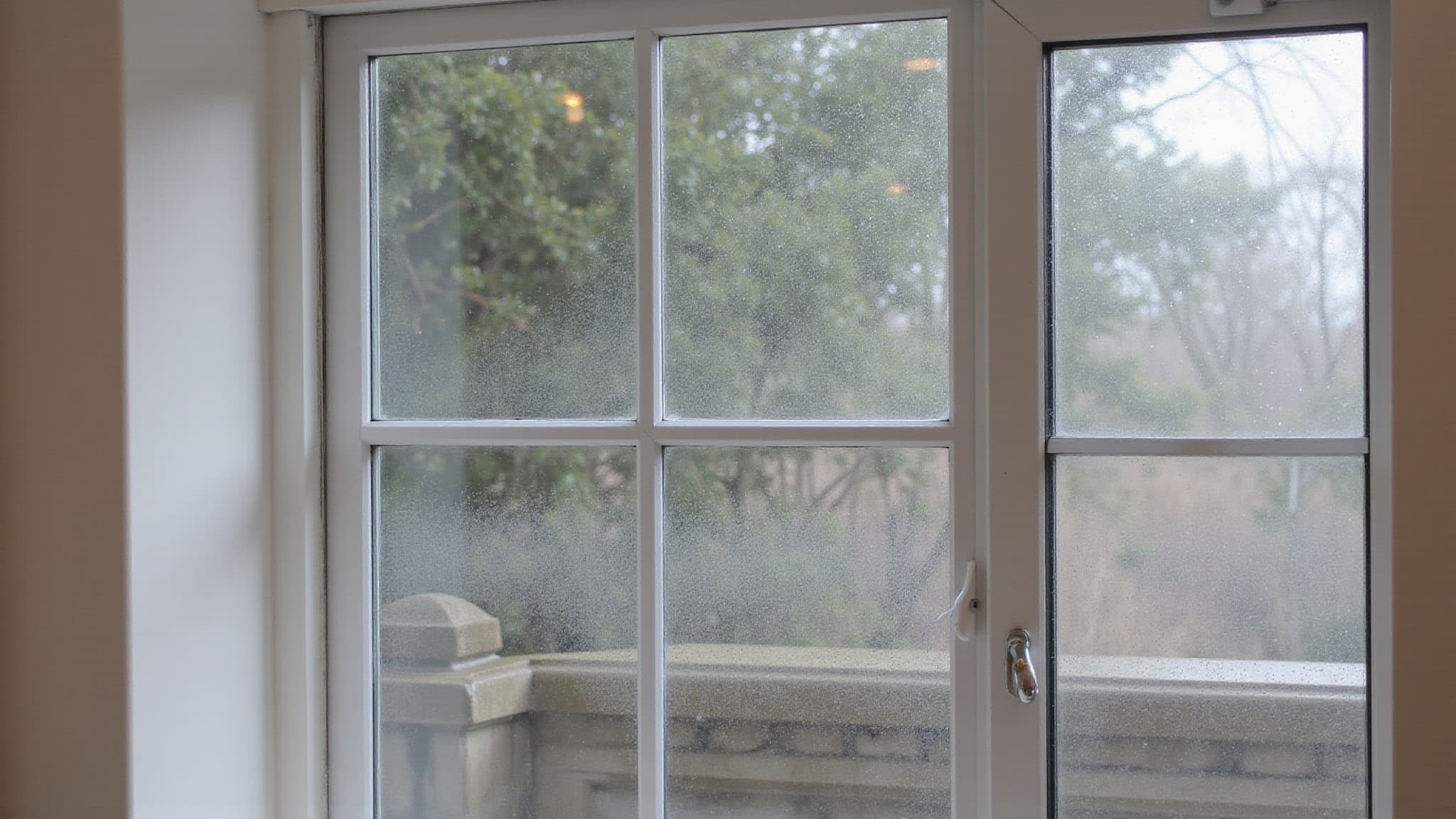
Storm windows reduce condensation by adding a second glazing layer that raises the interior glass surface temperature above the dew point. Since condensation forms when warm, moisture-rich air contacts cold glass, this temperature increase directly reduces it. You need a minimum ½-inch air space between the primary window and the storm window for effective thermal insulation. Seal the edges to prevent warm, moist air from reaching the cold surface between panes. Weatherstrip the inner sash of the main window to stop air leakage and cold drafts that lower glass temperature. Seal the inside window more tightly than the outside to further reduce condensation. This second glazing layer improves the window’s thermal quality, keeping the interior surface warm enough to prevent moisture accumulation.
Why does condensation sometimes form on storm windows
Condensation forms on storm windows when warm, humid indoor air leaks past inadequate seals and contacts the cold surface between the panes. Storm windows raise interior glass temperatures to reduce condensation, yet moisture still develops if the inner window isn’t sealed more tightly than the outer one, letting indoor humidity migrate into the air space and condense on the colder outer glass. Verify a minimum ½-inch air space; insufficient spacing reduces thermal insulation and lowers surface temperatures. Check that you’ve weatherstripped the operable sash continuously and caulked interior cracks along the frame and sill with elastic caulk. Any gap lets moisture-rich air reach the cold pane. Place calcium chloride trays between the storm window and inner glass to absorb excess vapor, checking them weekly under high-humidity conditions to prevent saturation-driven condensation.
Where should condensation appear on a healthy storm window
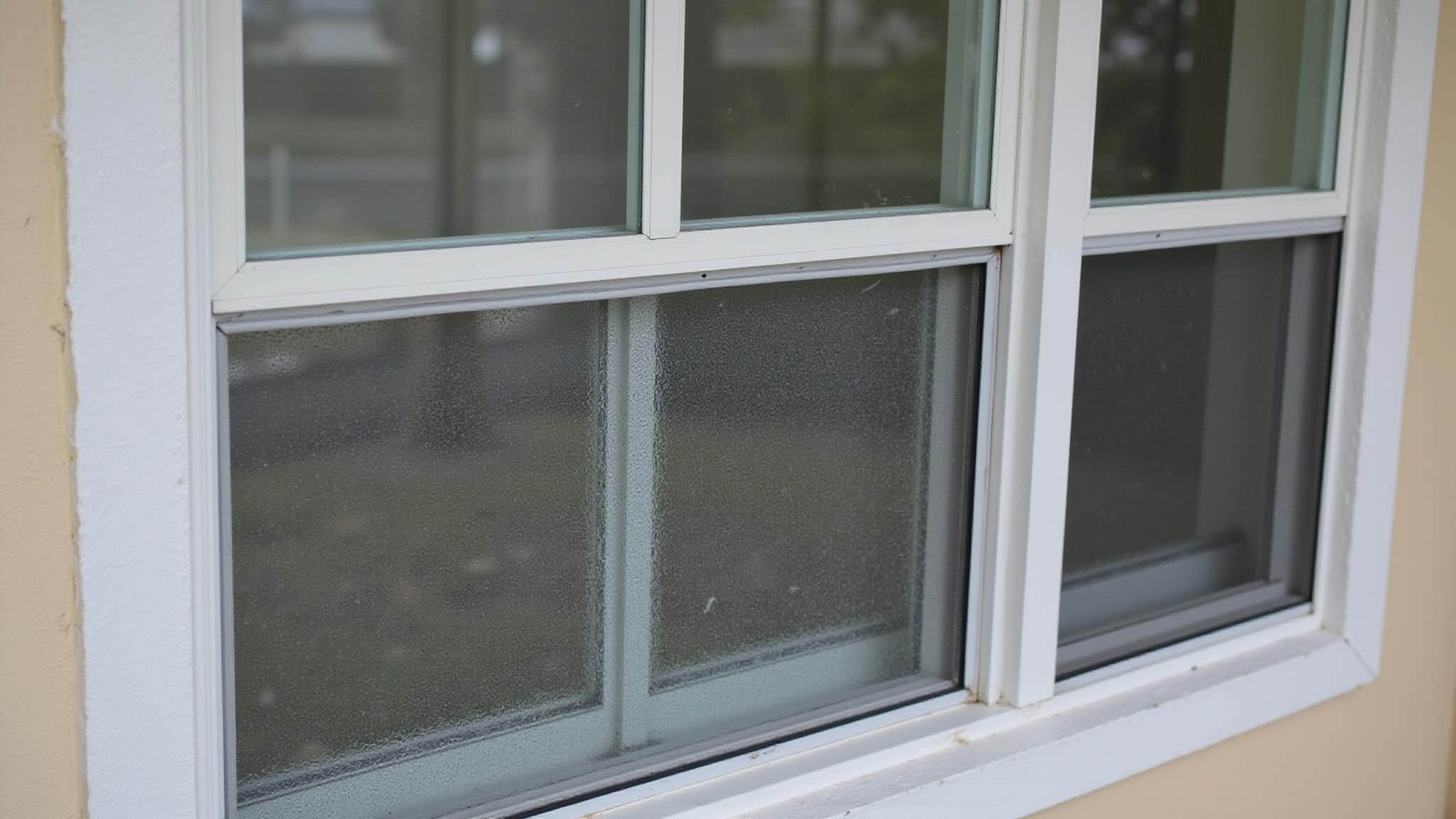
Condensation on a healthy storm window belongs on the outer storm pane, not the inner primary glass. This distribution confirms your inner window seals more tightly than the outer one, keeping warm, moisture-rich interior air away from cold surfaces. If you seal the inside window and leave the outer pane slightly less airtight, any moisture that migrates into the ½-inch air space collects on the colder outer glass instead of the inner glass.
If you spot condensation on the inner primary glass, your seal has failed, and warm air is reaching the cold surface. Correct this by weatherstripping the inner sash and caulking frame cracks with elastic caulk. Properly sealed, the inner glass stays warmer and dry, while minor outer-pane condensation remains acceptable.
How do you stop condensation between storm and primary windows
To stop condensation between storm and primary windows, keep warm, humid interior air from ever reaching the ½-inch air space, where trapped moisture collects on the cold outer pane. Seal the inside window more tightly than the outside one. For interior-mounted storm windows, apply closed-cell foam, V-strip, felt, or magnetic weatherstripping in a continuous strip around the frame. For exterior-mounted units, weatherstrip all sides of the primary window’s operable sash. Caulk interior cracks along the frame and sill with elastic caulk to block humidity from seeping around the window. For added protection, place calcium chloride in shallow trays between the storm window and inner glass, the most efficient desiccant location. Use four to five teaspoons for high-humidity bathroom windows, and check the powder weekly.
How do you choose storm windows for moisture control
The storm window you select determines how much you’ll raise the interior glass temperature and cut condensation. Choose either plastic or glass storm windows, since both increase surface temperature and directly reduce condensation. Maintain a minimum ½ inch air space between the primary window and the storm window to achieve effective thermal insulation. Select a unit you can seal on all edges, keeping warm, moist air from reaching the cold surface between panes. For exterior-mounted units, verify you can weatherstrip around the operable sash. For interior-mounted units, confirm you can seal to the frame with closed-cell foam, V-strip, felt, or magnetic weatherstripping. Prioritize models that let you seal the inside window more tightly than the outside. The impact of storm windows on energy loss can be significant, especially in areas with extreme weather conditions. By minimizing air leaks and enhancing insulation, these windows contribute to more stable indoor temperatures.
Conclusion: Controlling Condensation With Storm Windows
Storm windows help control condensation by adding a barrier and keeping the primary window’s surface closer to room temperature, which reduces the cold spots where moisture forms. Proper ventilation, like clear weep holes on exterior units, keeps moisture from being trapped in the gap. Managing indoor humidity helps too. Together, these steps keep windows clearer and protect frames and sills from moisture damage.
Upgrade Your Home With Trusted Storm Windows
Storm windows can transform your home’s comfort, energy efficiency, and protection all at once, if they’re installed right. At Innovative Storm Defense serving West Palm Beach, FL, our experienced team provides trusted Storm Windows with expert installation and premium materials. Call (561) 517-9399 today and book your free consultation.
Frequently Asked Questions
How Much Does Desiccant for Window Use Typically Cost?
Desiccant products used to absorb moisture around windows are inexpensive, usually a small cost for the material. They are a minor part of managing condensation compared with proper sealing and ventilation. For persistent condensation, addressing indoor humidity and window seals matters far more than desiccant, which is a supporting measure rather than a full solution.
Can I Install Storm Windows Myself Without Professional Help?
Some interior storm windows are designed for DIY installation, but a tight seal is what controls drafts and condensation, so accuracy matters. Exterior and custom units are often better handled by a professional. If you are comfortable measuring and fitting carefully, DIY can work; otherwise a professional ensures a proper, weathertight fit.
Do Storm Windows Reduce Noise as Well as Condensation?
Yes. The extra pane and insulating air gap that help with condensation also dampen sound, so storm windows can noticeably reduce outside noise, especially over single-pane windows. A good seal improves both effects. Many homeowners gain quieter rooms along with fewer condensation problems from the same upgrade.
How Long Do Plastic Storm Windows Typically Last?
Plastic or acrylic storm windows are lightweight and affordable but generally last less long than aluminum-framed glass units, often several years depending on sun exposure and handling. UV can cause some plastics to yellow or become brittle over time. Choosing quality materials and handling them carefully extends their useful life.
Are Storm Windows More Effective Than Replacing Single-Pane Glass?
It depends on the goal and budget. Adding storm windows over single-pane glass is a cost-effective way to boost efficiency and cut condensation without full replacement. Replacing with modern insulated windows performs better overall but costs much more. For many homeowners, storm windows offer most of the benefit at a fraction of the cost.