
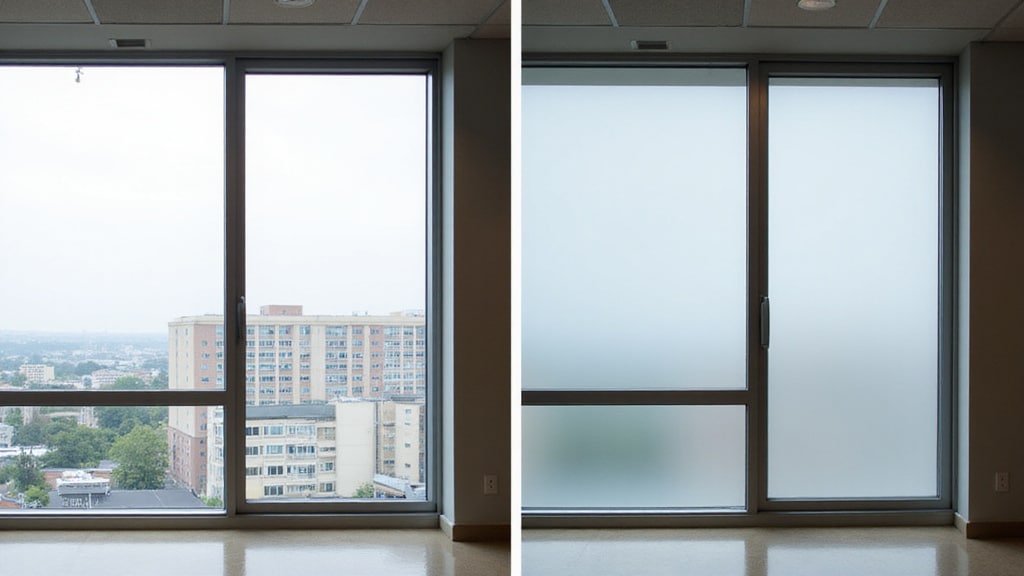
Storm windows muffle outside noise through three mechanisms: added mass, sealed air space, and disrupted vibration paths. Thicker, heavier glass resists the vibrations that transfer sound indoors. A sealed air space of at least 2 inches weakens incoming waves, delivering roughly 35% reduction. Laminated or acrylic inserts add a shock-absorbing interlayer that dampens sound further. You can expect up to 70% (18.9 dBA) reduction. The right features push those numbers even higher.
Key Takeaways
- Added mass: Thicker, heavier glass resists vibration, making sound waves harder to transmit indoors.
- Sealed air space: A gap of at least 2 inches breaks the sound path, cutting noise by roughly 35%.
- Laminated or acrylic inserts: A vinyl interlayer acts as a shock absorber, dampening incoming sound better than standard glass.
- Tight seals: Sealing window edges eliminates gaps that provide a direct path for noise leakage.
- Strong results: Interior storm windows can reduce noise up to 70% (18.9 dBA) on single-pane windows.
How Storm Windows Muffle Outside Noise
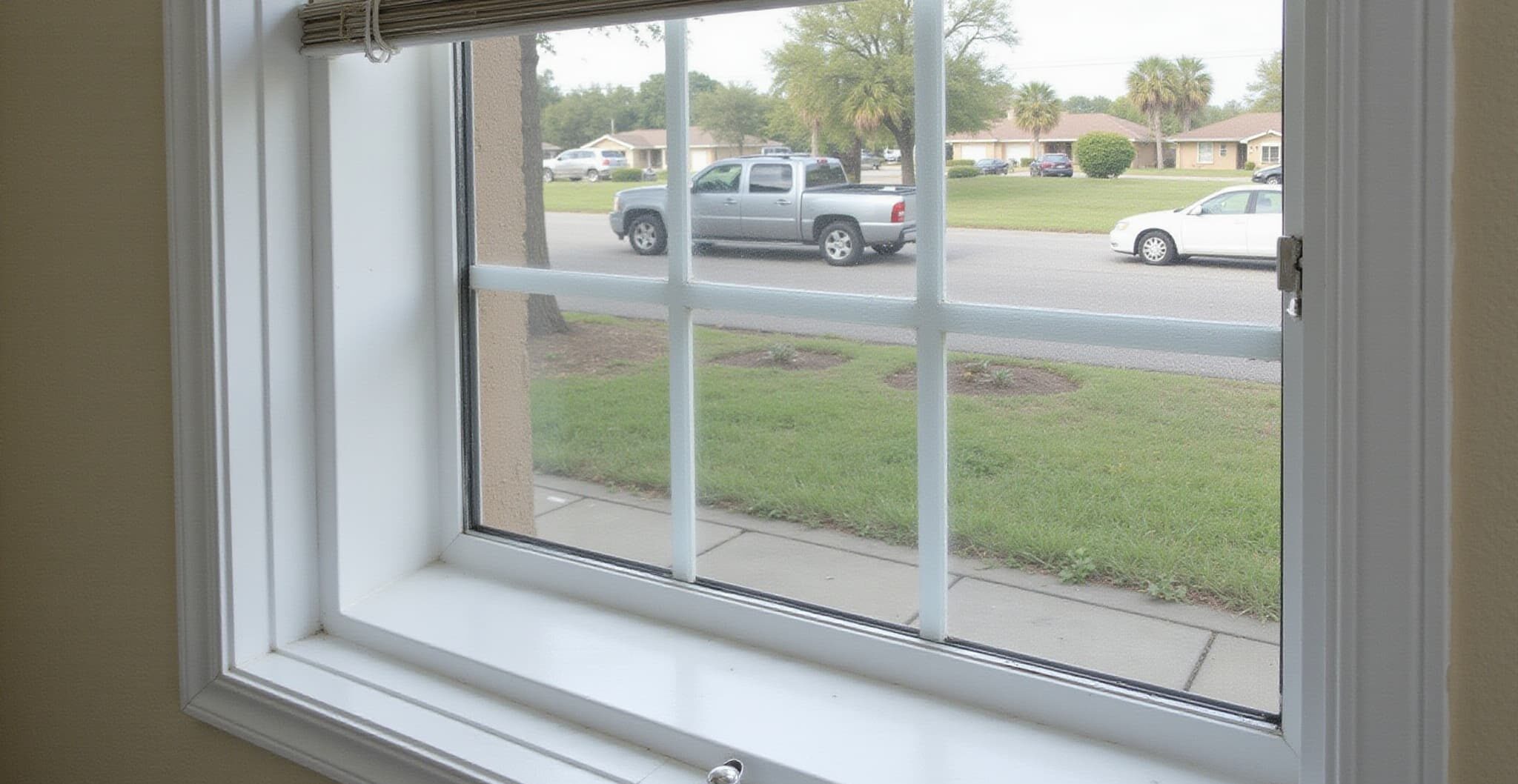
Storm windows muffle outside noise through three measurable mechanisms: added mass, sealed air space, and disrupted vibration paths. Thicker, heavier glass makes it harder for sound waves to vibrate through the material, while sealed air or gas spaces between panes break the sound path and weaken the waves. Storm windows noise reduction depends heavily on air space. You need at least 2 inches to achieve roughly 35% reduction, and over 2 inches for very good results. Soundproof storm windows built with laminated or acrylic inserts perform better. The plastic interlayer acts like a shock absorber that dampens vibration. Adding an interior storm window to a single-pane window can reduce outside noise up to 70% (18.9 dBA), importantly outperforming standard replacement windows at 20%. Storm window benefits for UV protection are equally significant, as they can block harmful rays that contribute to skin damage and fading of indoor furnishings. This added layer of protection makes storm windows a wise investment for both comfort and safety.
How does outside noise get into your home
Outside noise gets into your home as vibrating sound waves that move through air and solid materials, and your windows are the weakest barrier in most walls. When sound waves hit a single pane of glass, they vibrate the material and transfer that energy inside your home. Thin, lightweight glass vibrates easily, letting more sound pass through. Gaps around window edges make it worse, giving sound waves a direct path indoors. This is where storm windows noise reduction comes into play. Storm window benefits stem from adding mass, sealing gaps, and creating an insulating air space between panes, breaking the path sound waves travel and weakening them before they reach your ears.
How do storm windows reduce noise
Storm windows reduce noise by combining mass, air space, and sealing to disrupt sound waves. They reduce noise far more effectively than replacement windows alone, cutting transmission by 50% or more where replacement windows cut noise by only 20%. Additionally, storm windows for condensation control can help maintain optimal indoor humidity levels. By minimizing moisture formation on interior surfaces, they contribute to a healthier living environment.
- Added mass: Thicker, heavier glass makes it harder for sound waves to vibrate through the material.
- Sealed air space: Air gaps of at least 2 inches break the sound path, delivering roughly 35% reduction.
- Lamination: A vinyl interlayer acts as a shock absorber, dampening incoming sound waves.
- Acrylic inserts: Acrylic blocks sound better than standard glass; 1/4″ Plexiglas yields peak acoustic performance.
Together, these mechanisms slow and weaken sound before it reaches you.
What features make storm windows better at blocking sound
Specific features determine how much sound storm windows actually block. Start with glass thickness. Thicker, heavier glass makes it harder for sound waves to vibrate through the material. If you’re using Plexiglas, standard 1/8″ achieves 9.5 dB reduction (45%), while 3/16″ reaches 14 dB (67.5%), and 1/4″ delivers the best acoustical performance. Air space matters too. You’ll need at least 2 inches between your existing window and the storm window to achieve strong results, with over two inches required for very good reduction. Consider laminated glass, where a thick vinyl interlayer acts like a shock absorber, dampening sound waves. Acrylic inserts block sound better than standard glass. Tight seals prevent gaps that let noise leak through.
How much noise reduction can you expect
Noise reduction depends on your existing window type and the storm window’s construction. Adding an interior storm window to a single-pane window cuts noise up to 70% (18.9 dBA), while pairing one with a double-pane window reduces it up to 50% (10-12 dBA). Plexiglas thickness matters too:
| Configuration | Noise Reduction |
|---|---|
| Replacement window alone | Up to 20% |
| 1/8″ Plexiglas | 9.5 dB (45%) |
| 3/16″ Plexiglas | 14 dB (67.5%) |
| Storm window + single-pane | 18.9 dBA (70%) |
| Highest STC (40-50) windows | 90-95% |
For very good results, you’ll need at least 2 inches of air space between windows. Storm windows generally reduce transmission by 50% or more, outperforming standard replacement windows markedly. Measuring heat loss reduction benefits is essential for maximizing your home’s energy efficiency. By evaluating these benefits, homeowners can identify areas for improvement and make informed decisions about windows and insulation.
How do you choose storm windows for soundproofing
Choose storm windows for soundproofing based on three measurable factors: glass type, glass thickness, and air space. Laminated glass with a vinyl interlayer dampens sound waves like a shock absorber, while thicker, heavier glass resists vibration. Air space is critical. You need at least 2 inches between panes to weaken sound paths effectively.
Soundproofing comes down to three measurable factors: glass type, glass thickness, and air space, each working together to weaken sound paths.
Prioritize these specifications:
- Glass type: Choose laminated glass or acrylic inserts, which block sound better than standard glass.
- Glass thickness: Use 1/4″ Plexiglas for best acoustical performance; 3/16″ delivers 67.5% reduction.
- Air space: Maintain at least 2 inches to achieve roughly 35% noise reduction.
- STC rating: Target 40, 50 to eliminate 90, 95% of outside noise.
Match specifications to your target reduction.
Conclusion: Using Storm Windows to Quiet a Home
Storm windows are an affordable way to cut outside noise, adding a second pane and an insulating air gap that dampens sound before it reaches the room. They work especially well over single-pane windows and can be combined with other steps for even better results. For homeowners bothered by traffic or neighborhood noise, storm windows offer a real improvement without the cost of full replacement, and they boost energy efficiency at the same time.
Call Today and Enjoy a Quieter, Cozier Home
Whether you’re stopping drafts, blocking UV rays, or cutting outside noise, the right storm windows deliver every benefit at once. At Innovative Storm Defense serving Boca Raton, FL, our skilled team delivers dependable Storm Windows built for Florida homes and lasting performance. Call (561) 517-9399 today and protect what matters most.
Frequently Asked Questions
Should I Hire a Professional to Install Storm Windows?
For the best noise and energy results, a tight, well-sealed fit is essential, which is where professional installation helps. Simple interior units can be DIY, but professionals ensure exterior and custom windows are sealed and mounted correctly. If quiet is the goal, a proper seal matters most, so professional installation is often worth it.
Are Storm Windows More Cost-Effective Than Dedicated Soundproof Windows?
Often, yes, for moderate noise. Storm windows cost far less than replacing windows with dedicated acoustic units and still deliver a meaningful reduction, especially over single-pane glass. For severe noise, purpose-built laminated soundproof windows perform better. Many homeowners find storm windows the more cost-effective first step.
How Do I Install Storm Windows for Maximum Soundproofing?
The keys are a larger air gap between the storm and primary window, a tight seal with no air leaks, and quality glazing, ideally laminated glass for the best sound reduction. Interior units mounted with a good seal and a wider gap tend to quiet a room most. Careful measuring and sealing make the biggest difference.
Can I Combine Storm Windows With Other Soundproofing Methods?
Yes, and it helps. Pairing storm windows with sealing air gaps, heavy curtains, weatherstripping, and laminated glass compounds the noise reduction. Sound gets in through the smallest leaks, so combining methods that seal and add mass gives the quietest result. A layered approach works better than any single fix.
Do Storm Windows Also Help Reduce Energy Costs?
Yes. The same extra pane and air gap that block noise also cut drafts and slow heat transfer, so storm windows lower heating and cooling costs, particularly over single-pane windows. Many homeowners get quieter rooms and lower energy bills from the same upgrade, which improves the overall value.