
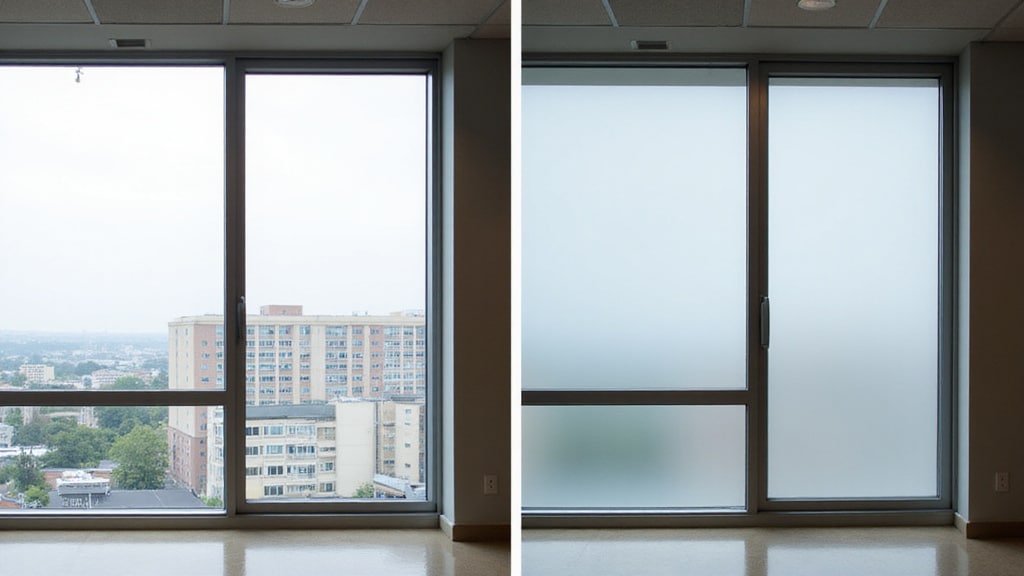
Storm windows block anywhere from a negligible amount to 99.9% of UV radiation, depending entirely on your coating and glazing. Standard single-pane glass stops UV-B and UV-C but lets UV-A through. You’ll get meaningful protection from Low-E coatings, spectrally selective glass, or laminated PVB interlayers that block roughly 99%. Ceramic films reach up to 99% UVA blocking. Understanding these specifications helps you protect your interior, and there’s more worth knowing below.
Key Takeaways
- Uncoated storm windows add minimal UV protection, while specific coatings and glazing can block up to 99.9% of UV rays.
- Low-E coatings apply a thin metal layer that reflects UV rays away from the home.
- Laminated or impact glass with a PVB interlayer blocks roughly 99% of UV while preserving natural light.
- Window films vary widely: ceramic films block up to 99% UVA, while metalized films average 80, 90%.
- Blocking UV extends the lifespan of furniture, flooring, and finishes while reducing heat-related damage and cooling demand.
UV Blocking With Storm Windows
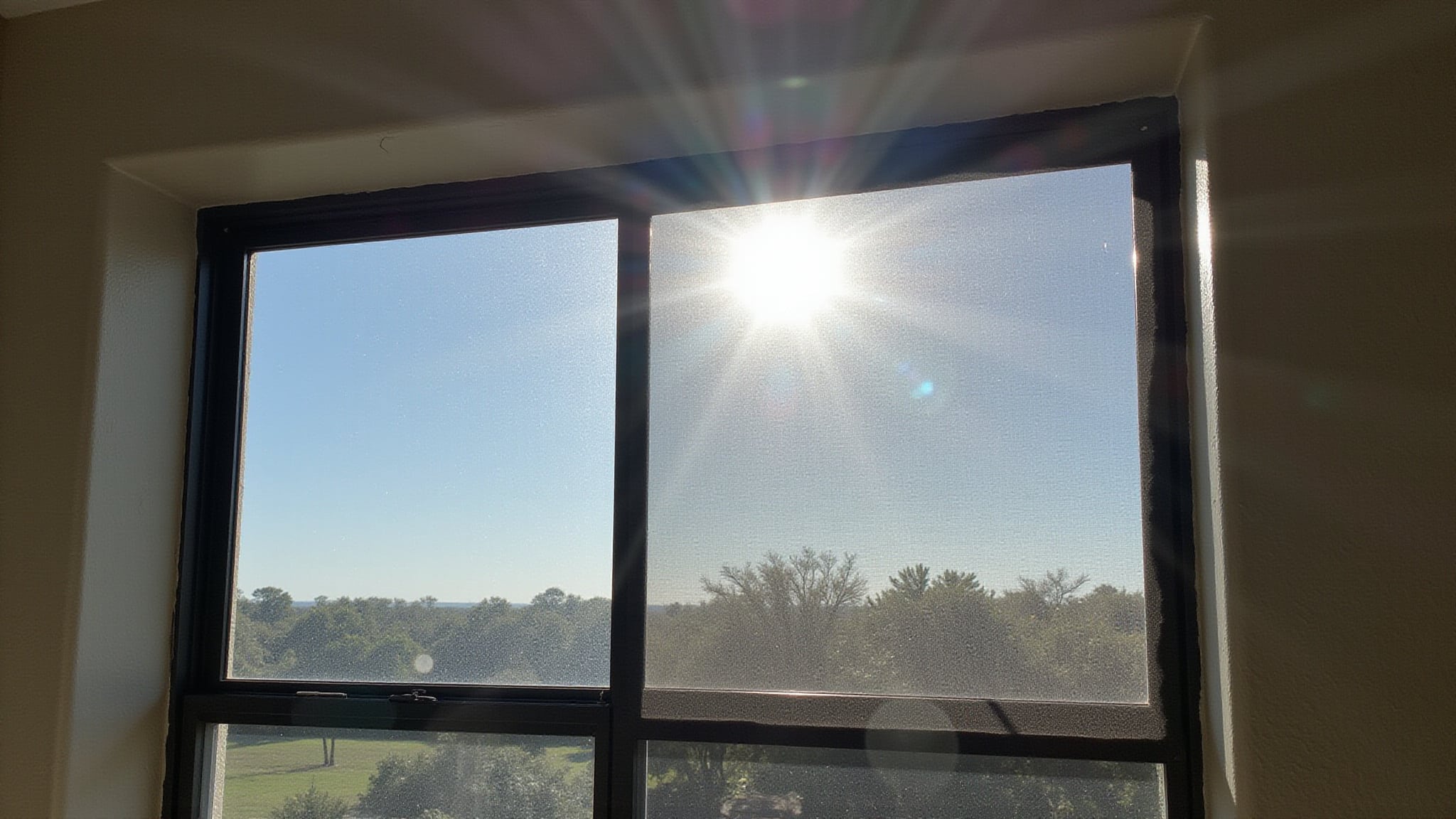
Uncoated storm windows add minimal UV protection over your existing prime windows because standard single-pane glass blocks nearly 100% of UV-B and UV-C radiation but lets UV-A rays pass straight through. To achieve meaningful storm windows UV blocking, you’ll need specific treatments. Low-E coatings apply a microscopically thin layer of metal or metal oxide that reflects UV rays away from your home, while spectrally selective coatings reduce UV transmission and preserve natural light. For maximum UV protection, storm windows with impact glazing block 99% of UV radiation, and soundproof units reach 99.9%. Blocking UV rays preserves your furnishings, preventing fading of furniture, fabrics, and flooring. These coatings also cut solar heat gain, so you’re reducing air conditioning demand while protecting interior surfaces from sun damage. How storm windows reduce noise pollution can significantly enhance the comfort of your living space. By creating an additional barrier, they effectively dampen the sound from outside sources such as traffic and storms.
Why does blocking UV matter for your home
Blocking UV matters because UV radiation drives significant fading in furniture, fabrics, flooring, and wall materials, so blocking it directly extends the lifespan of everything inside your home. Standard single-pane glass lets UV-A pass through while blocking nearly 100% of UV-B and UV-C, so your furnishings remain vulnerable without treatment. Adding storm windows UV protection through low-E or spectrally selective coatings reduces incoming UV substantially, preserving color and material quality. Storm window benefits extend beyond fading prevention: blocking UV curbs the interior greenhouse effect, reducing heat-related damage and air conditioning demand. Low-E retrofits deliver 21% energy use declines versus 13% for clear glass. At roughly $45 per unit, you’ll gain measurable protection cost-effectively. Precise coating selection determines whether you achieve 80%, 90%, or 99% UV blocking.
How do storm windows block UV rays
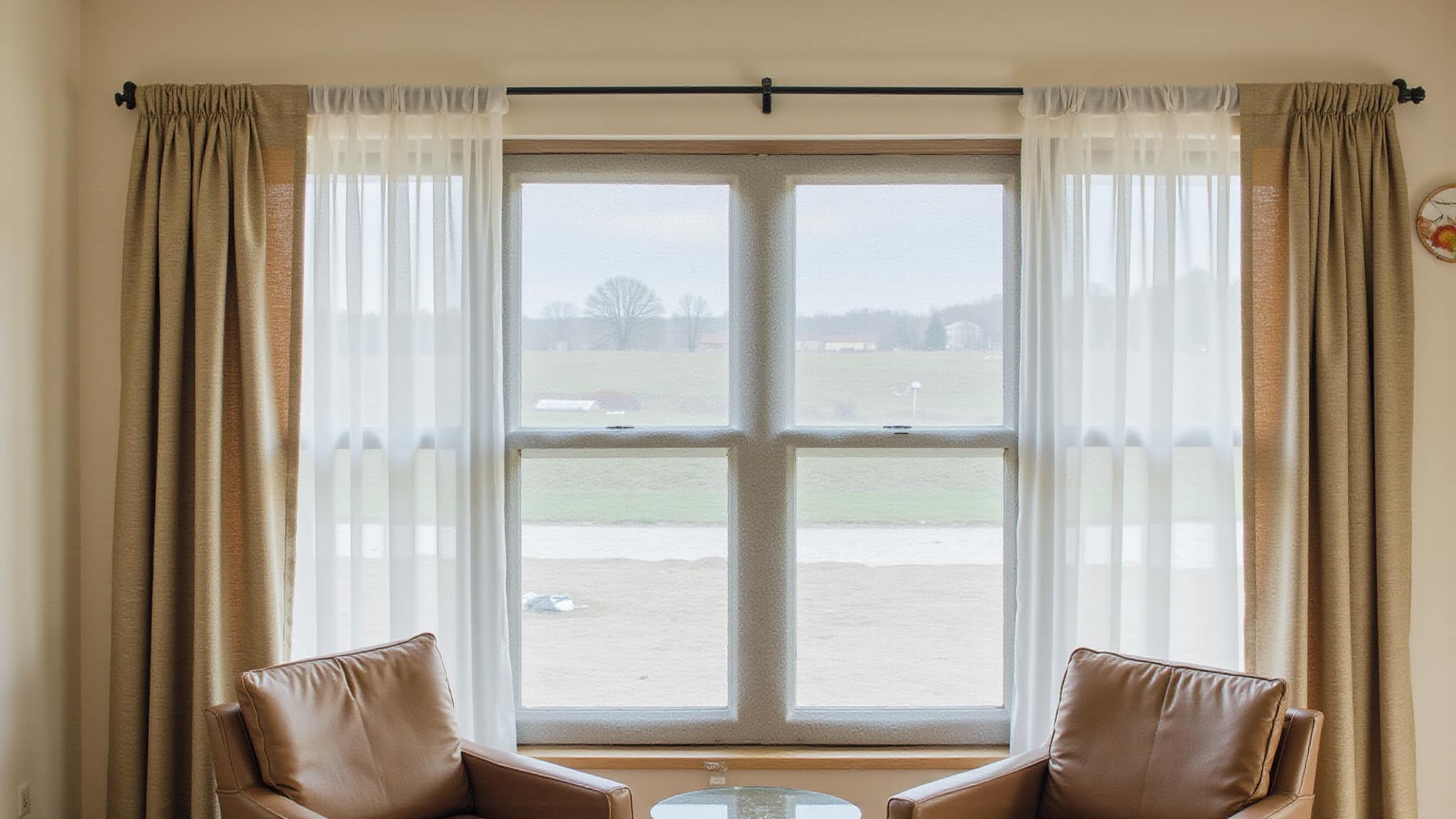
Storm windows block UV rays through one of several distinct mechanisms working alone or in combination. Low-E coatings apply a microscopically thin layer of metal or metal oxide to the glass, reflecting UV rays away from your home. Spectrally selective coatings reduce UV transmission while preserving natural light. If you’ve got laminated or impact glass, the polyvinyl butyral (PVB) interlayer absorbs and reflects UV, blocking roughly 99% of harmful radiation. Applied films offer another route: metalized films raise blocking to 80, 90%, while ceramic films reach up to 99% of UVA rays. Beyond direct blocking, the dead air space between your storm and prime windows reduces solar heat gain, and reduced air infiltration supports thermal stability during solar exposure, complementing these UV-blocking technologies.
What glazing and coatings improve UV protection
Glazing and coatings that improve UV protection include Low-E coatings, impact glazing, laminated glass, and spectrally selective coatings, each with different blocking percentages. Low-E coatings apply a microscopically thin layer of metal or metal oxide that reflects UV rays, delivering a 21 percent energy use decline versus 13 percent for clear glass. Impact-glazed units with special coatings block 99 percent of UV while maintaining natural light, and soundproof storm windows reach 99.9 percent. Laminated glass relies on a polyvinyl butyral (PVB) interlayer that naturally blocks approximately 99 percent of ultraviolet radiation. For films, you’ll get 80 to 90 percent average blocking from metalized options, while ceramic films block up to 99 percent of UVA. Spectrally selective coatings reduce UV transmission while preserving daylight, letting you optimize both protection and visibility.
How much UV do storm windows actually block
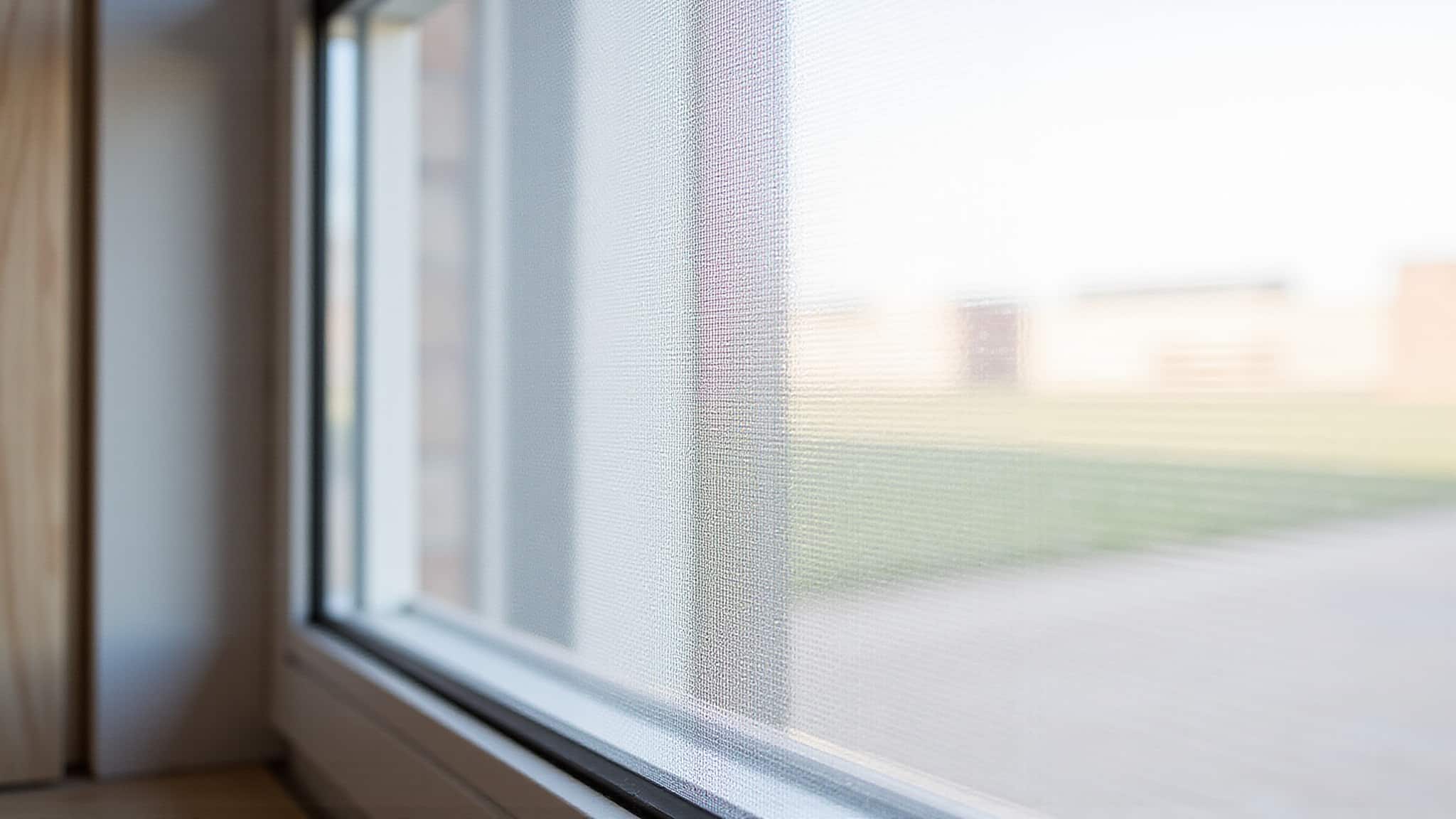
Storm windows block anywhere from minimal amounts to 99.9 percent of UV, depending entirely on which technology you install. Uncoated storm windows add minimal UV protection beyond your existing prime windows, since standard single-pane glass already blocks nearly all UV-B and UV-C while transmitting UV-A. To stop UV-A, you need specific treatments. Low-E and spectrally selective coatings reflect significant UV, and specialized glazing pushes performance to the top of the range.
| Technology Type | UV Blocking Percentage |
|---|---|
| Impact-glazed with coatings | 99% |
| Ceramic window films | Up to 99% |
| Soundproof storm windows | 99.9% |
Metalized films average 80 to 90 percent, outperforming dyed films. PVB interlayers in laminated glass block roughly 99%. Match the specification to your fading-prevention target, and you’ll get measurable results.
What are the added benefits of UV-blocking storm windows
UV-blocking storm windows deliver measurable gains across energy efficiency, furnishing preservation, and cost. Low-E retrofits drive a 21 percent decline in energy use versus 13 percent for clear glass storm windows. The dead air space between storm and prime windows reduces heat conduction and solar heat gain, while microscopically thin metal-oxide coatings reflect UV away from your interior. You’ll cut air conditioning demand by preventing internal greenhouse heating.
Low-E storm windows cut energy use 21 percent while reflecting UV away to preserve your furnishings and reduce cooling demand.
- Energy savings: 21 percent reduction with low-E coatings versus 13 percent clear glass
- Furnishing preservation: blocks UV that fades furniture, fabrics, flooring, and walls
- Cost efficiency: approximately $45 per window, plus 30 percent tax credit up to $1,500
- Air infiltration reduction: decreases leakage, supporting thermal stability during solar exposure
How do you choose UV-blocking storm windows
Choose UV-blocking storm windows by matching coating technology to your target UV reduction. If you want maximum protection, soundproof storm windows block 99.9% of UV light, while impact-glazed units with special coatings block 99%. Ceramic window films block up to 99% of UVA rays, and metalized films average 80 to 90 percent. For combined UV and energy performance, specify low-E coatings. They drive a 21 percent energy-use decline versus 13 percent for clear glass. You can mount low-E storm windows inside or outside your single-pane primes. At roughly $45 per window, you’ll balance budget against specification. Verify solar film type before self-installation, which requires only water and dishwashing soap. Confirm proper selection and installation to maximize UV-blocking benefits and preserve your interior furnishings. Storm window benefits for homeowners are significant, providing not only UV protection but also sound insulation and energy efficiency. Investing in high-quality storm windows can enhance the comfort of your living spaces while contributing to lower energy bills.
Conclusion: Protecting Your Home With UV-Blocking Storm Windows
UV-blocking storm windows add a layer that filters out much of the ultraviolet light responsible for fading floors, furniture, and fabrics, while also improving insulation and comfort. In a sunny climate, that protection helps preserve interiors and can even reduce sun exposure indoors. Combined with the energy and noise benefits storm windows already offer, UV protection makes them a worthwhile upgrade. Choosing a UV-rated product gives the best defense against sun damage.
Upgrade Your Home With Trusted Storm Windows
Storm windows can transform your home’s comfort, energy efficiency, and protection all at once, if they’re installed right. At Innovative Storm Defense serving West Palm Beach, FL, our experienced team provides trusted Storm Windows with expert installation and premium materials. Call (561) 517-9399 today and book your free consultation.
Frequently Asked Questions
Are UV-Blocking Storm Windows Eligible for Tax Credits or Rebates?
Some energy-efficient window products qualify for federal tax credits or utility rebates, but eligibility depends on the product meeting specific criteria, and programs change over time. UV blocking alone may not qualify unless the window also meets efficiency standards. Check current federal guidance and local utility programs, and confirm the product’s ratings.
How Much Do UV-Blocking Storm Windows Typically Cost?
Costs depend on size, frame material, and the glazing or coating used, with UV-rated units costing a bit more than basic storm windows. Custom sizes add to the price. A quote for your specific windows gives the clearest figure, and the protection they provide for interiors helps offset the cost over time.
Can I Install UV-Blocking Storm Windows Myself?
Some interior units are DIY-friendly, but a tight, square fit matters for both performance and appearance. Exterior and custom windows are usually better installed by a professional for a proper seal. If you are confident measuring and mounting accurately, DIY can work; otherwise professional installation ensures the best result.
How Do I Maintain and Clean UV-Blocking Storm Windows?
Clean the glass with a soft cloth and a mild, non-abrasive cleaner, avoiding harsh products that could damage any coating. Keep tracks and weep holes clear, and check the seals occasionally. This simple care keeps the glass clear and the UV protection performing for years.
Do UV-Blocking Storm Windows Protect Skin Health, Not Just Furnishings?
They can help. By filtering out much of the UV that passes through ordinary glass, UV-blocking windows reduce indoor UV exposure, which is a plus for people who spend long hours near sunny windows. They are not a substitute for sunscreen outdoors, but they do lower the ultraviolet light reaching you inside.