
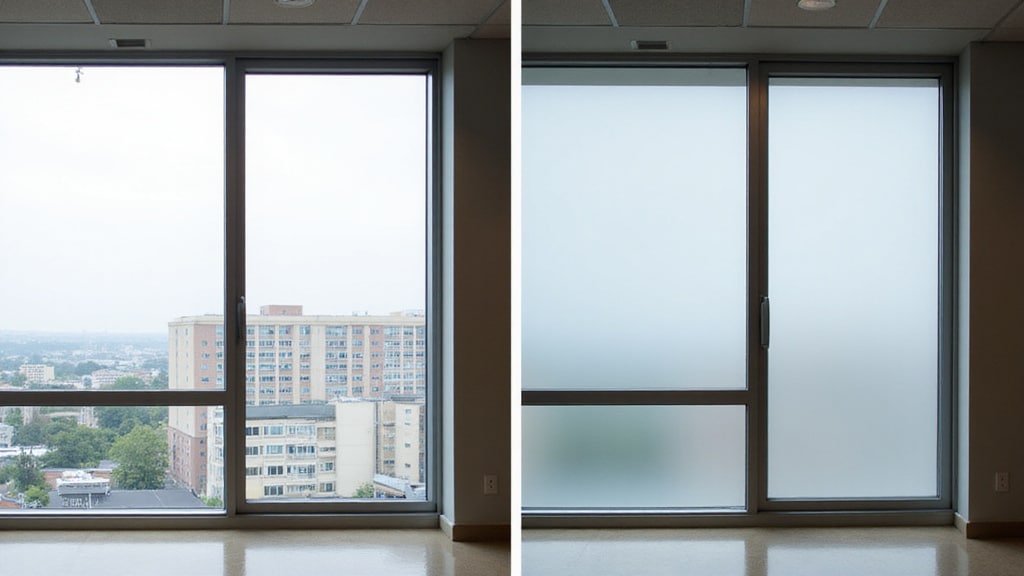
Your gas-filled windows start failing the moment their polymer seal weakens, typically after 15 to 25 years in moderate climates. Once the polyisobutylene sealant breaks down, argon escapes and moisture creeps in. You’ll lose about 1 percent of argon yearly, leaving roughly 80 percent after 20 years. Below that threshold, insulation drops measurably. Thermal cycling, UV exposure, and moisture accelerate the damage. Understanding how these units work reveals exactly why they fail.
Key Takeaways
- Properly manufactured gas-filled windows typically retain argon effectively for 15 to 25 years in moderate climates.
- Failure begins when the polymer barrier weakens, allowing argon to escape and moisture to enter.
- Argon is lost at roughly 1 percent per year, leaving about 80 percent remaining after 20 years.
- Performance falls measurably once argon drops below the approximately 80 percent threshold.
- Poor-quality units can begin failing much earlier, within 5 to 10 years.
When Gas-Filled Windows Start to Fail
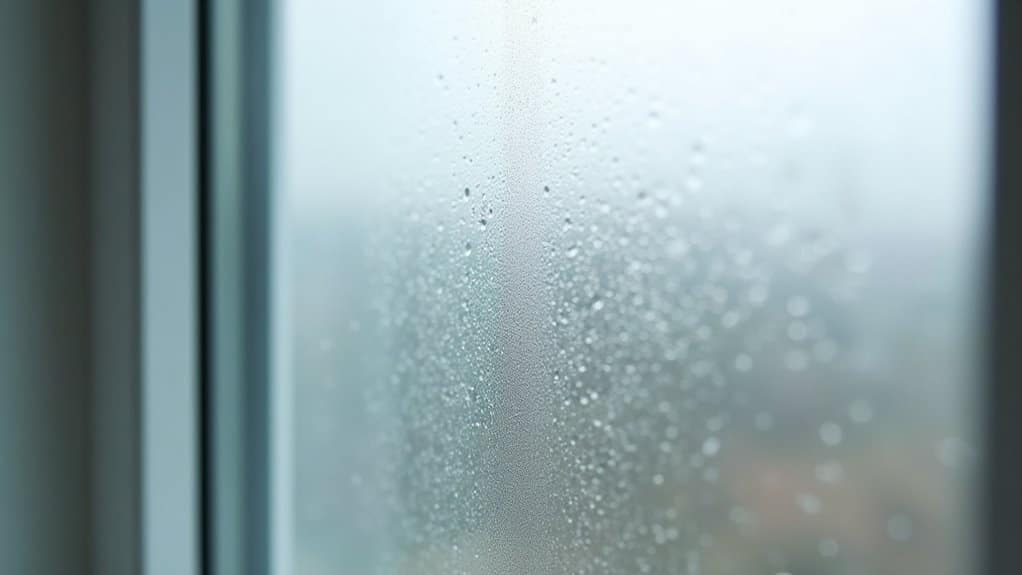
Gas-filled windows start to fail when the polymer barrier weakens, letting argon escape and moisture enter. Although a properly manufactured insulated glass unit retains argon effectively for 15 to 25 years in moderate climates, that seal won’t last forever. You’ll typically lose about 1 percent of your gas fill each year, so after 20 years, you’re down to roughly 80 percent of the original argon. Below that threshold, performance falls measurably. Argon’s window failure shows up in ways you can see and feel: foggy windows with persistent condensation between the panes, milky haze that won’t wipe away, distorted reflections as the panes bow inward, and cold spots along the glass. Watch for these signs, because they confirm the seal’s broken and gas has depleted.
How do gas-filled windows work
Gas-filled windows work through a sealed cavity between two glass panes. That cavity holds inert argon gas, which conducts heat far less effectively than ordinary air. A polyisobutylene primary sealant, bonded to a spacer bar around the perimeter, traps the gas and keeps moisture out. As long as that seal stays intact, the argon slows heat transfer and boosts insulation.
The system depends entirely on gas retention. Industry standards accept roughly 1 percent window gas loss per year, so a quality unit keeps about 80 percent of its argon after 20 years. Once thermal cycling, UV exposure, or moisture breaks that barrier, argon window failure begins. Failing gas windows lose their insulating fill, and performance drops as air replaces the escaping argon.
What causes gas-filled windows to fail
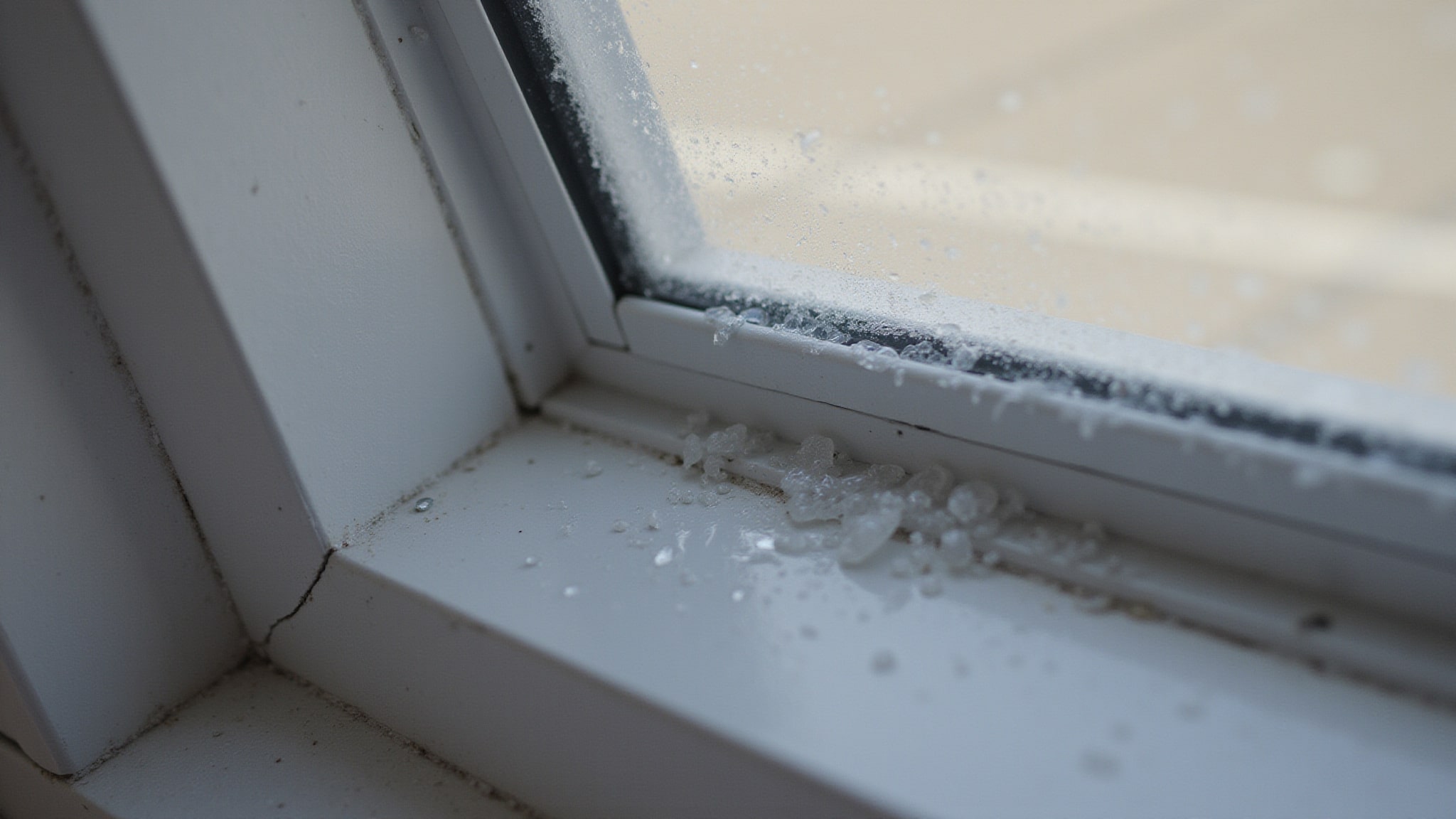
Gas-filled windows fail when the seal that keeps your window‘s argon in place breaks down, allowing the gas to escape. Thermal cycling drives the process first, forcing repeated expansion and contraction of the glass and sealant until the polymer barrier weakens. UV radiation compounds the damage by breaking down the chemical structure of the primary sealant, typically polyisobutylene. Once the barrier cracks, moisture intrudes into the seal joints, accelerating degradation and defeating the gas-retention seal. Improper installation sets up mechanical stress points that compromise the factory bond between panes before any weathering begins. Physical impacts from hailstorms or flying debris damage the spacer bar or seal directly, letting gas escape and air enter almost instantly.
What are the signs your gas-filled windows are failing
Your gas-filled windows are failing when you see persistent condensation, fog, or haze between the panes that you can’t wipe away, which confirms the seal has failed. Look for streaks, film, or a milky cloudy appearance inside the sealed unit, signaling moisture in the cavity. Check for distorted reflections, which occur when panes bow inward as gas leaks out and air replaces it. Touch the glass in winter: cold spots or colder edges reveal gas depletion. Notice increased outside noise, indicating reduced acoustic insulation. Secondary signs include higher heating or cooling bills without thermostat changes, water stains or soft spots on the sill, and difficulty opening or closing the window from frame distortion. These indicators pinpoint progressive seal failure.
How long do gas-filled windows typically last
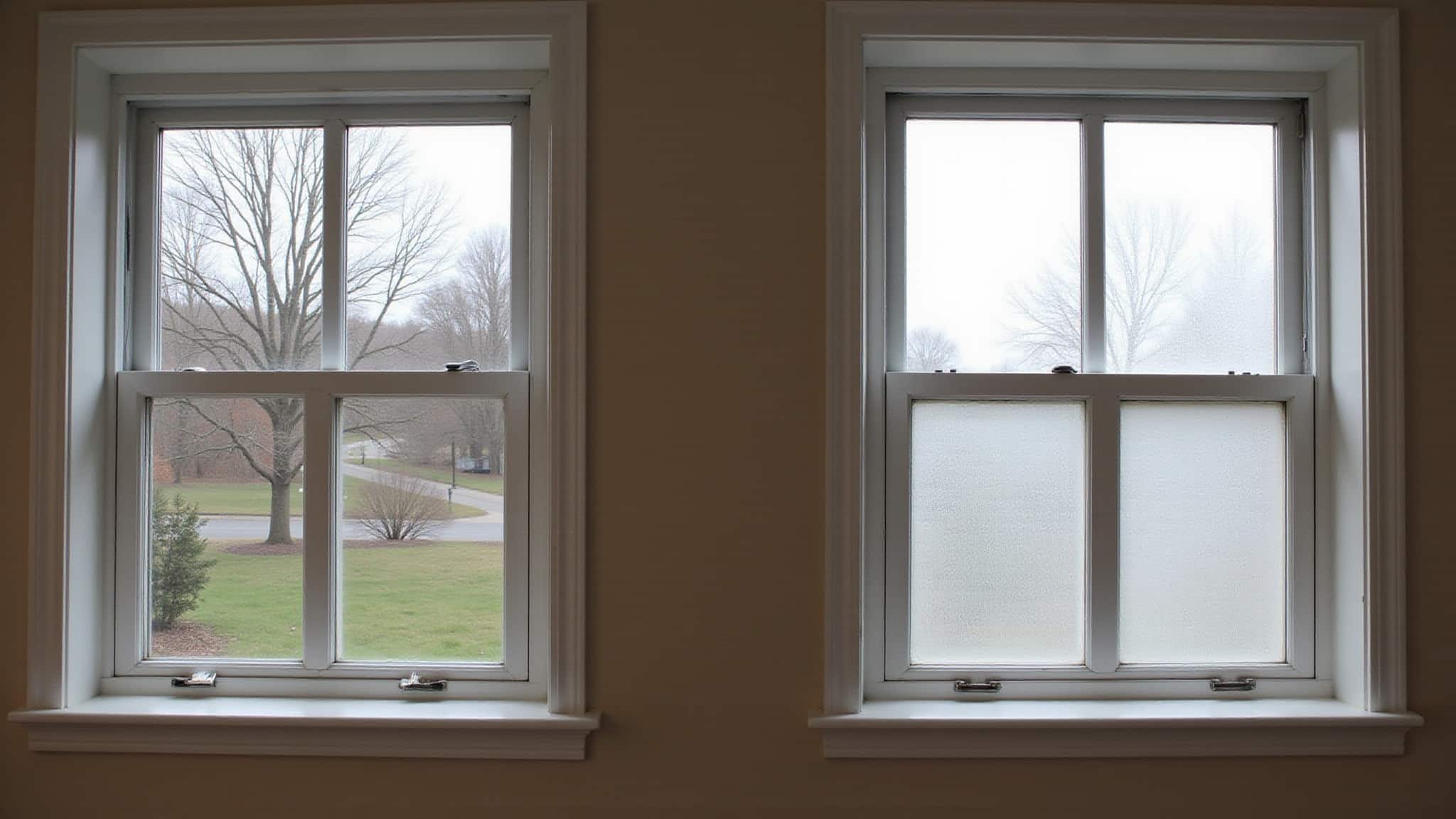
Gas-filled windows typically last 15 to 25 years in moderate climates. A properly manufactured insulated glass unit retains argon effectively for 15 to 25 years in moderate climates. Industry standards accept a natural gas loss rate of roughly 1 percent per year, so after 20 years a well-built window still holds around 80 percent of its original fill.
| Condition | Expected Service Life |
|---|---|
| Moderate climate, quality unit | 15, 25 years |
| Severe thermal cycling, high heat | 15, 20 years |
Once gas levels drop below the 80 percent threshold, performance falls measurably, though the window still insulates better than single pane. Lower-quality units or installation stress points can trigger failure within 5 to 10 years.
Can failing gas-filled windows be repaired
Failing gas-filled windows can’t be repaired. Replacement is the only permanent fix. When the seal breaks, the inert gas escapes and can’t be restored. No economical or reliable method exists for you to refill argon in an existing sealed unit, and once moisture enters the cavity, the degradation cycle continues unchecked.
You might consider resealing the perimeter where the frame meets the wall, but that won’t repair the internal seal between the glass panes. It only addresses air leakage around the frame, not the failed bond inside the unit. Factors influencing debris impacts on glass can vary significantly based on environmental conditions. Understanding these factors is crucial for homeowners to make informed decisions about maintenance and replacement.
Your correct solution is replacing the entire insulated glass unit or the whole window. Industry standards confirm a new factory-sealed unit containing fresh argon restores the original thermal performance you’ve lost.
How do you prevent premature window failure
You prevent premature window failure by controlling the factors that break down the seal. Start with installation. Insist on proper fitting that avoids mechanical stress points, since improper mounting compromises the factory bond between panes. In hot, high-UV climates, add exterior shading or UV-blocking treatments to slow degradation of the polyisobutylene sealant. Manage thermal cycling where you can, since repeated expansion and contraction weakens the polymer barrier over time. Keep the sill and frame dry to block moisture intrusion, which accelerates seal breakdown and fogging. Protect against physical impacts from hail or debris that damage the spacer bar. Finally, buy quality units, because lower-grade windows can fail within 5 to 10 years.
Conclusion: Getting the Most From Gas-Filled Windows
Gas fills like argon and krypton boost a window’s insulating value by slowing heat transfer between the panes, but that benefit depends on the seal staying intact. Over the years, small amounts of gas naturally escape, and a failed seal speeds that up and lets moisture in. Choosing quality insulated units and replacing failed ones keeps a home efficient. For most homeowners, well-sealed gas-filled glass is a worthwhile upgrade that pays off in comfort and lower energy bills.
Call Today and Stop Window Damage Before It Starts
From failed seals to fogging to flying debris, understanding your windows helps you invest in the right protection. At Innovative Storm Defense serving Jupiter, FL, our skilled team delivers dependable Storm Windows built to withstand Florida’s harshest conditions. Call (561) 517-9399 today and book your free consultation.
Frequently Asked Questions
How Much Does Replacing a Failed Insulated Glass Unit Cost?
It depends on the size, glass type, and whether just the sealed unit or the whole window is replaced. Swapping only the insulated glass unit costs less than a full window replacement. Getting a couple of quotes for your specific windows is the best way to gauge the cost, and replacing several at once is often more economical.
Is Argon or Krypton Gas Better for Windows?
Both insulate better than plain air, and each has a place. Argon is affordable and works well in standard-width airspaces, so it is the common choice. Krypton insulates better in very thin gaps, which suits triple glazing or slim units, but it costs more. For most homes, argon offers the best balance of performance and value.
Are Gas-Filled Windows Worth the Extra Money?
For most homeowners, yes. The gas fill improves insulation and comfort and helps lower heating and cooling costs, usually for a modest added cost over standard units. The payback comes through energy savings and a more comfortable home. In a demanding climate, that efficiency is well worth the small premium.
Do Gas-Filled Windows Come With a Warranty?
Usually. Most manufacturers warrant the insulated glass unit against seal failure and fogging for a set number of years, which indirectly covers the gas fill. Terms vary, so it is worth checking the length and what is included before buying. Keep your paperwork, since a claim typically requires proof of the original purchase.
Can You Test Argon Gas Levels in Windows Yourself?
Not easily. Measuring gas concentration requires specialized equipment that most homeowners do not have. The practical sign of a problem is condensation or fogging between the panes, which points to a failed seal and gas loss. If you suspect that, a window professional can assess the unit and recommend whether to replace it.