
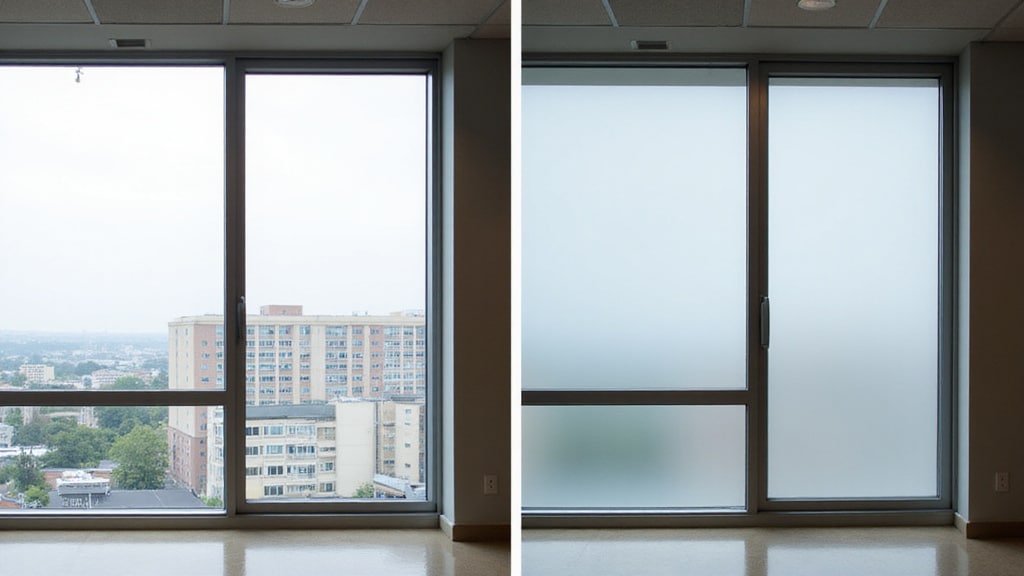
When you add sidelights and transoms to a hurricane-rated front door, code treats the whole entryway as one protected opening. Each component, glass, frame, and anchorage, must independently meet ASTM E1996/E1886, plus Miami-Dade NOA in HVHZ zones. You’ll need laminated impact glass with the right interlayer thickness for your wind zone. Don’t assume your door’s approval covers adjacent glass. Below, you’ll find exactly what each part requires to stay compliant.
What Makes Sidelights and Transoms Hurricane-Rated
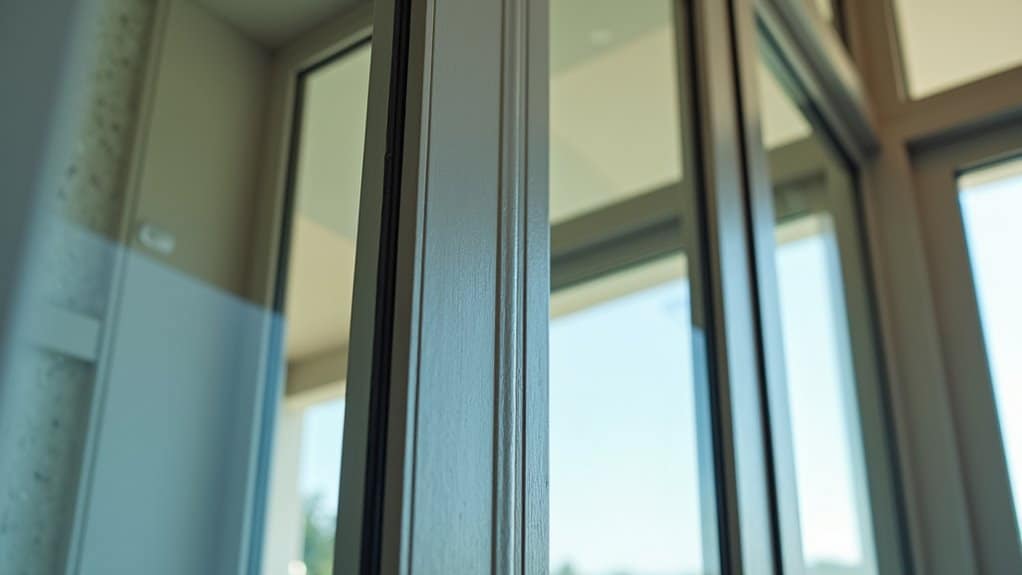
Because building codes treat your entryway as a single protected opening, sidelights and transoms can’t be considered decorative add-ons, they’re part of the rated assembly. To qualify, impact rated sidelights use the same laminated impact glass as the door, and the entire unit, glass, frame, and anchorage, must be engineered for storm performance. Certified systems are verified under ASTM E1996/E1886, and in Florida’s HVHZ they require Miami-Dade NOA certification plus the TAS 201, 202, and 203 sequence, covering missile impact, structural load, and cyclic pressure.
Your transom hurricane glass must remain intact even if it cracks, preserving the debris barrier. Look for Design Pressure and Performance Grade ratings, commonly DP40 to DP70 depending on exposure. A standard wind-rated unit without impact certification won’t meet these requirements. Because adding sidelights and transoms expands your entryway, expect additional costs beyond the $1,800-$6,000 range for a single impact door.
How Impact-Rated Glass Shields Your Entry From Storms
When debris strikes your entry during a storm, impact-rated glass works through laminated construction, two or more glass layers bonded with a plastic interlayer that resists penetration. Impact testing targets flying debris, the main failure mode for standard door glass. When breakage occurs, fragments adhere to the interlayer instead of scattering, preserving the barrier. This keeps your building envelope intact, limiting openings that admit wind, rain, and pressure changes. These systems must comply with ASTM E1996 and ASTM E1886 testing standards to ensure they can withstand high wind pressure and impact.
For hurricane door sidelights, specifications typically require a 0.060-inch interlayer for small-missile resistance or 0.090-inch for large-missile resistance. Maintaining glazing integrity prevents sudden internal pressure that drives structural damage and reduces water intrusion that ruins finishes, flooring, and contents.
Your impact rated entryway derives protection from the combined glass-and-interlayer system, not thicker monolithic glass alone.
Do Your Sidelights and Transoms Meet Local Code?
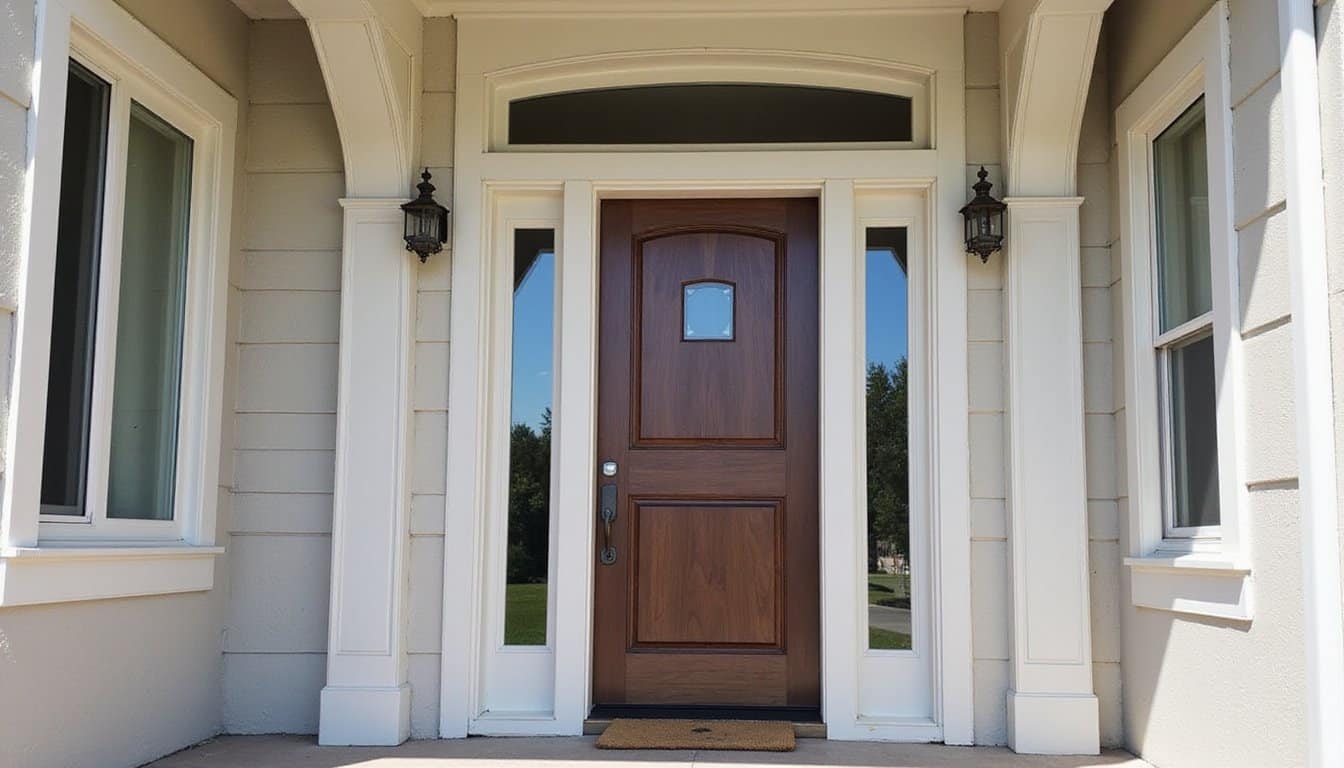
Impact-rated glass protects your entry only when the entire opening satisfies local code, and that’s where sidelights and transoms demand close attention. An impact-rated door approval doesn’t automatically extend to adjacent glass, so each component must independently satisfy the code for your hurricane front entry. In wind-borne debris regions, your sidelites and any impact transom window typically must meet the same protection standard as nearby glazed openings. Keep in mind that codes may require sidelites and transoms to have higher ratings than doors. Sidelights and transoms can significantly enhance the aesthetic appeal of your entryway while also serving practical safety functions. Understanding the specific requirements for sidelights and transoms in your local building codes is essential for compliance.
Before you finalize the assembly, confirm these details:
- The complete labeled assembly, frames, anchors, fasteners, and glazing retention, matches a tested product listing or approved alternate.
- The glazing meets your jurisdiction’s design wind speed, exposure category, and debris-impact requirements.
- Your permit and inspection path verifies whether the project is new construction, replacement, or retrofit.
Unrated adjacent glass voids compliance.
Hurricane-Rated Glass and Design Options That Last
Once you’ve confirmed code compliance, the glass itself deserves the same scrutiny, because it carries the load in any impact event. Hurricane-rated glazing uses laminated construction, bonding two or more panes with a PVB or EVA interlayer that holds fragments in place after impact. For a front door with sidelights, specify the same laminated build across all panels, monolithic laminated or insulated laminated units (IGUs). Match interlayer thickness to your debris risk: 0.060 inch for small missile, 0.090 inch for large missile, tested to ASTM E1996 and ASTM E1886. A hurricane door transom shares this construction in its separate frame above the head jamb. You don’t sacrifice appearance, clear, tinted, and low-E options deliver daylight, energy performance, and curb appeal while maintaining tested impact resistance.
How to Choose and Install Your Impact-Rated System
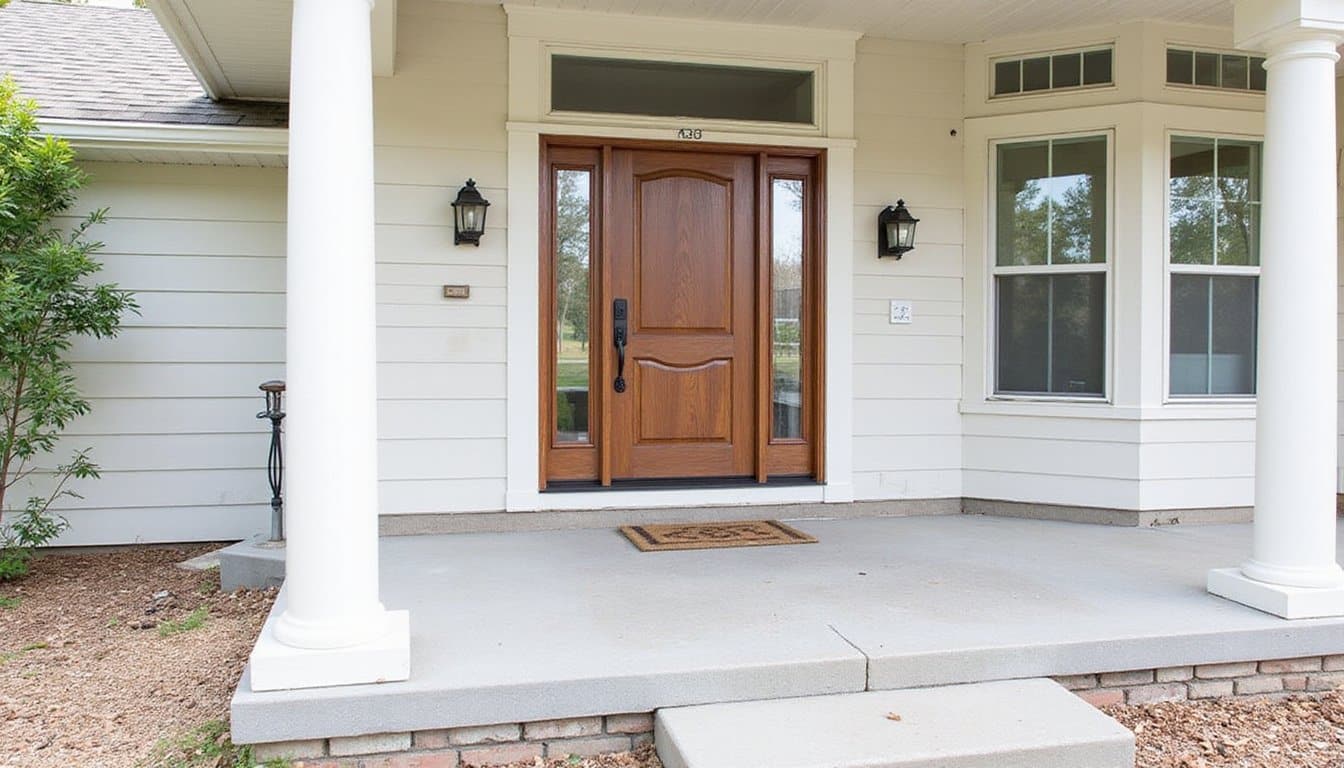
Specifying the right glass gets you part way, but the rating lives in the complete assembly, door slab, frame, glazing, sidelights, transom, anchorage, and threshold tested as one unit. Start by checking your local hurricane code and verifying product approval for your jurisdiction. Match the system to your wind zone, not just the door slab, and confirm the rating documentation for your exact model, sidelight glass impact configuration, and transom combination.
The rating lives in the complete assembly, not the slab alone. Test the whole unit, verify the approval.
Before you order or install:
- Verify approval status for your specific Florida hurricane entry assembly and wind zone
- Use a coastal-code installer who follows the manufacturer’s instructions exactly
- Confirm opening dimensions and full-perimeter frame anchorage into the wall structure
Don’t add glass later, a door’s rating won’t extend to surrounding components.
Secure Your Home With a Hurricane-Rated Door
Your front door is the first line of defense against storm damage, so choosing one built for Florida weather makes all the difference. At Innovative Storm Defense serving Boynton Beach, FL, our experienced team provides trusted Storm Doors with premium materials and lasting craftsmanship. Call (561) 517-9399 today and protect your home for years to come.
Frequently Asked Questions
How Much Do Hurricane-Rated Sidelights and Transoms Typically Cost?
You’ll pay anywhere from $165 for a single impact-rated sidelite window up to $5,900+ for a bundled rectangular transom unit with sidelights. Per panel, expect $500, $3,000+ depending on glass type, frame material, certification level, and size. For a complete installed system, door, frame, hardware, and professional labor, budget $6,000, $15,000+ for double configurations. Don’t forget labor at $800, $2,000 and permit fees running $100, $350 in Florida’s hurricane-prone markets.
Can I Add Sidelights to My Existing Impact-Rated Door?
Sometimes, but it’s not a simple add-on. Your existing opening needs enough width to fit side panels without weakening the wall, and you’ll typically need a sidelight-compatible frame rather than attaching glass to your current unit. Your door’s impact rating doesn’t extend to glass added later, the complete assembly must be tested and approved together. In many cases, full entry replacement is more realistic. Confirm local code compliance before you start.
How Long Do Hurricane-Rated Entry Systems Usually Last?
You’ll typically get 20 to 30 years from a hurricane-rated entry system with proper installation and consistent maintenance. Higher-quality systems can reach 35+ years, and impact single entry doors are often rated for 25 to 35+ years. Your actual lifespan depends on product quality, installation quality, climate exposure, and maintenance frequency. Salt air, UV exposure, and storm damage shorten it, while annual inspections, lubrication, and gasket checks extend it.
Does Insurance Offer Discounts for Impact-Rated Entry Systems?
Yes, but discounts aren’t automatic. You’ll need a wind mitigation inspection report verifying your impact-rated entry as part of the home’s opening protection profile. Carriers typically treat opening protection as all-or-nothing, so one unprotected glazed opening can reduce or eliminate your credit. Document everything, incomplete or outdated paperwork kills eligibility. Reported savings range from 5% to 15%, often higher when you pair the door with full opening protection across all glazed openings.
How Do I Maintain and Clean Impact-Rated Glass Panels?
Clean your impact-rated glass at least twice a year, more often in coastal or pollen-heavy areas. Rinse with clear water first, then wipe top-to-bottom using a soft microfiber cloth and mild, non-ammonia cleaner. Dry promptly with a squeegee to prevent streaks. Avoid abrasive tools, harsh chemicals, direct sunlight, and high-pressure hoses. Inspect frames, tracks, hinges, and seals for damage, and lubricate moving parts with silicone-based products only, never oil-based.