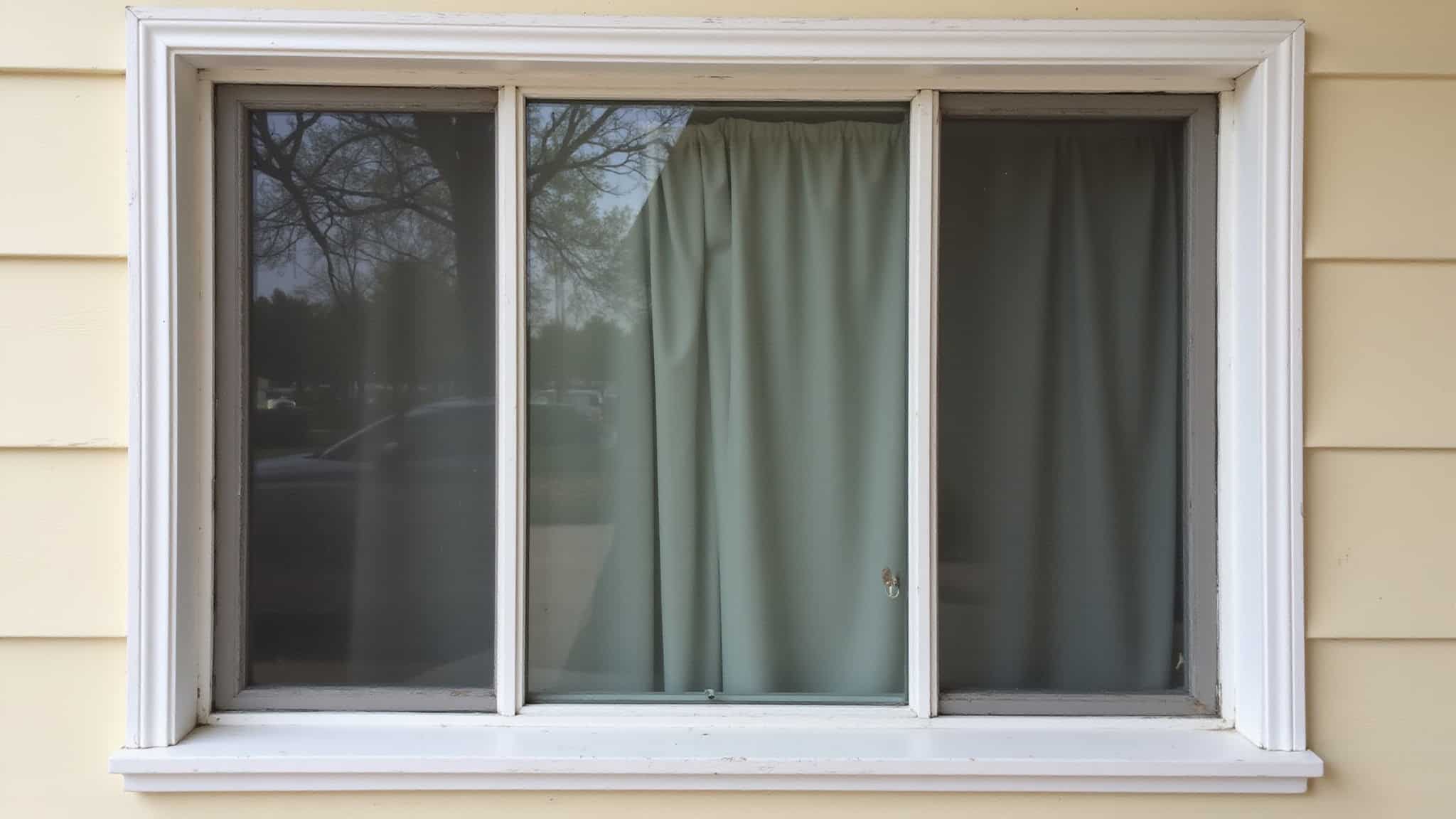
Storm Windows
What Is a Storm Window Panel Insert?
Storm window panel inserts create an insulating air gap inside your existing frame to block drafts and stabilize indoor temperature.

Storm window panel inserts create an insulating air gap inside your existing frame to block drafts and stabilize indoor temperature.
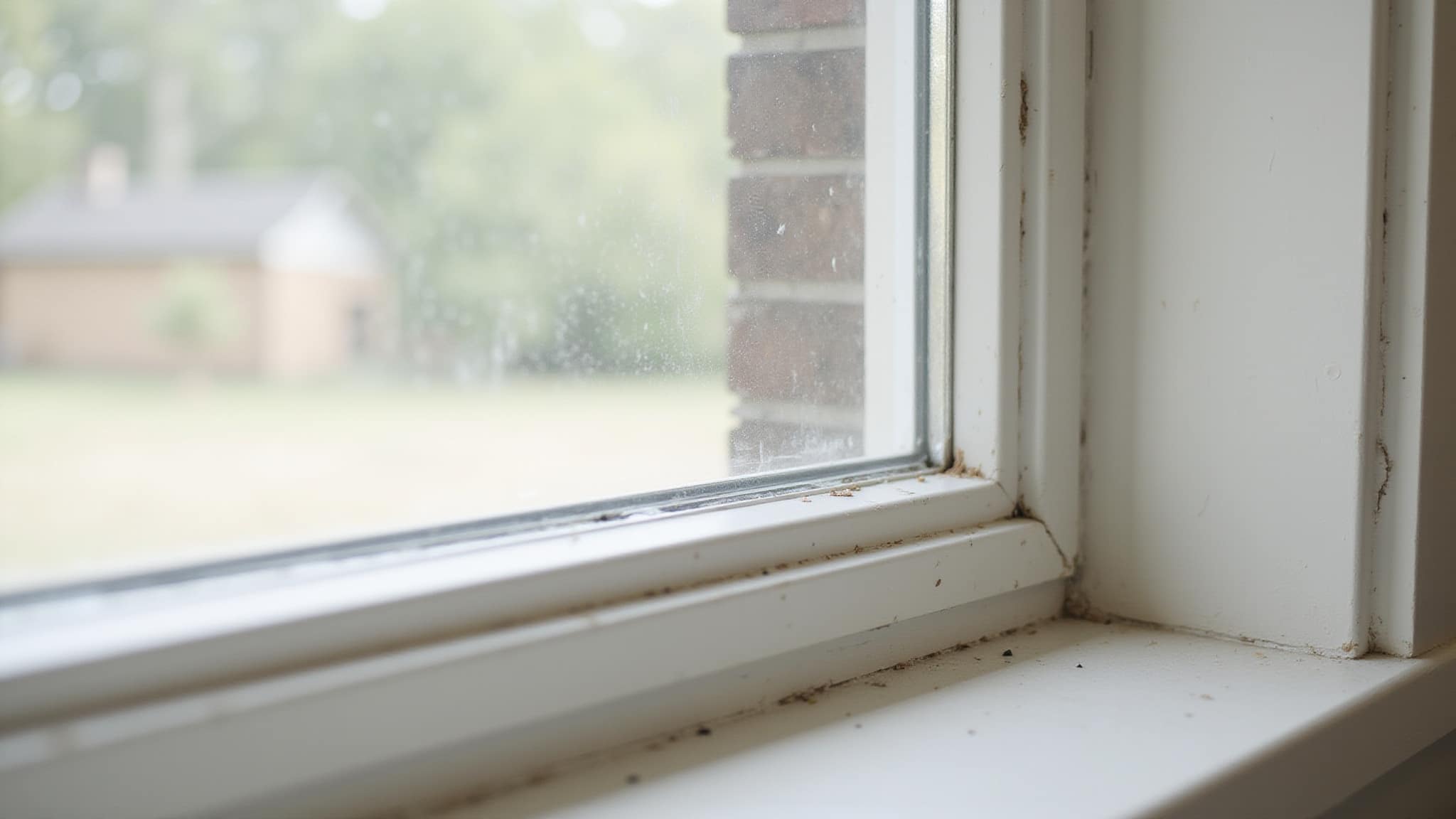
Fix drafty old windows with storm panels that add a sealed second barrier, trapping air to slow heat loss and cut energy costs.
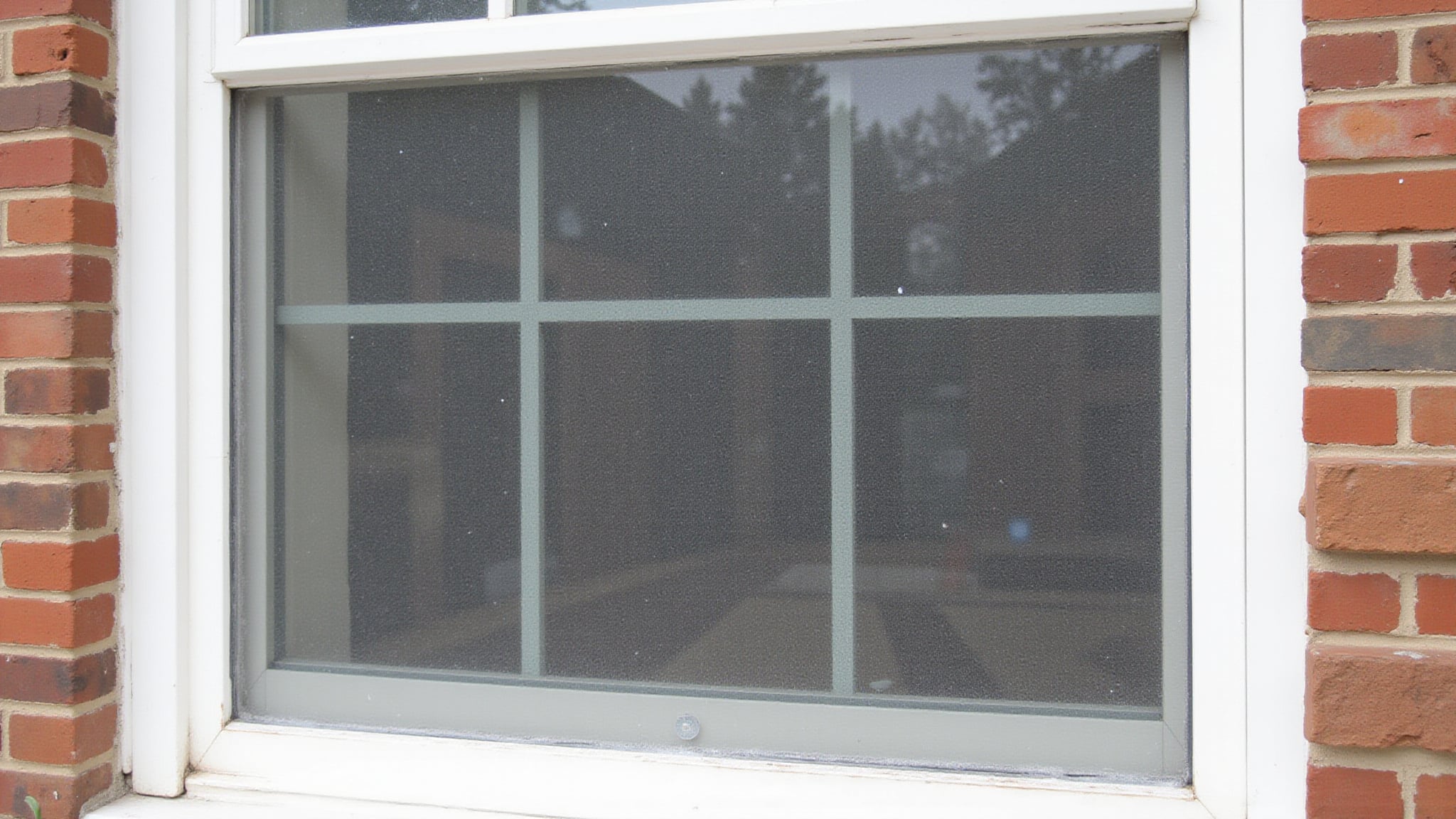
Storm windows cut heat loss by 10 to 30 percent. See DOE data, savings ranges, and field-tested results for single-pane windows.
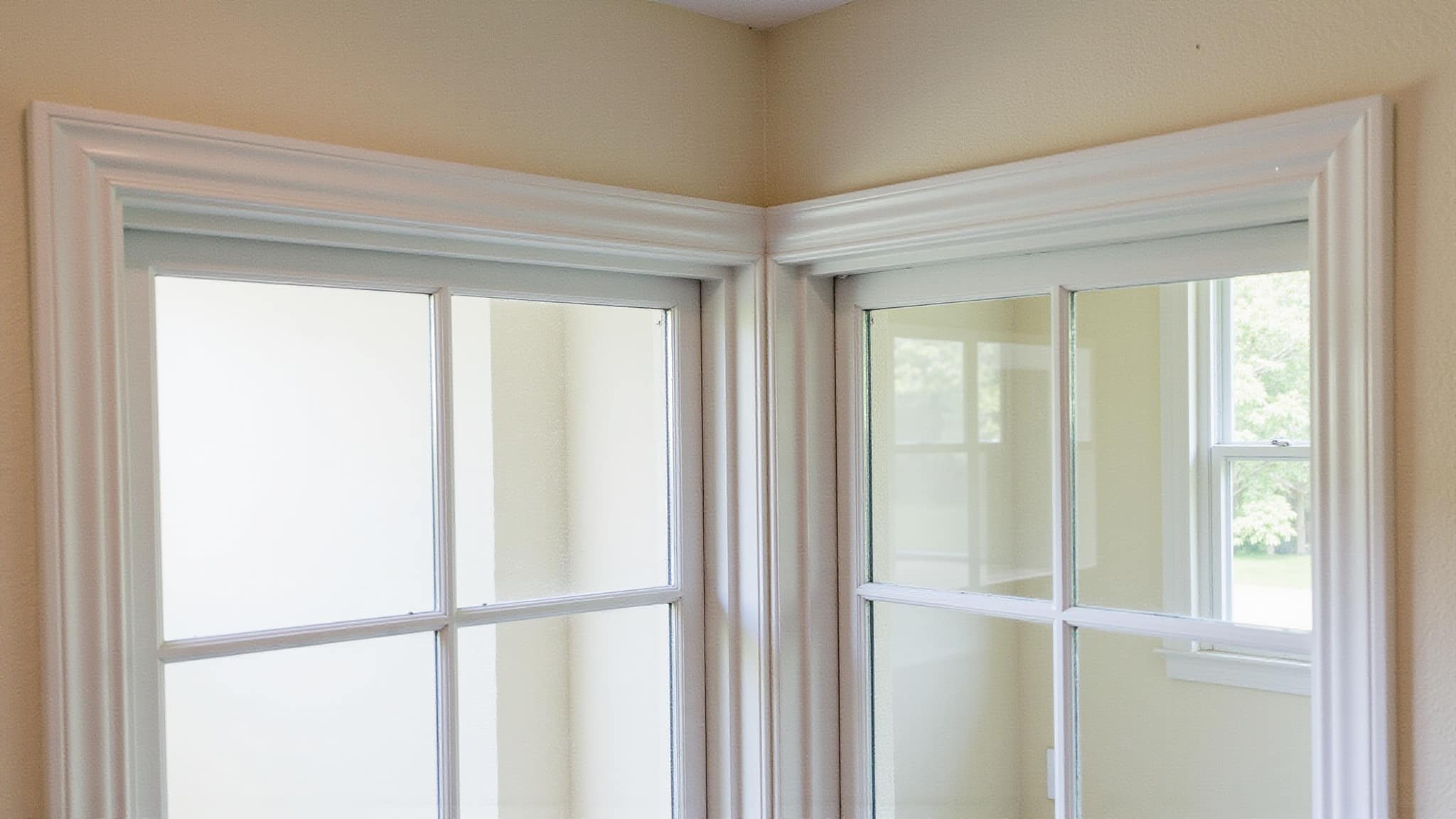
Storm windows cut air infiltration by 90% and pay back in 4.5 years. Compare interior vs exterior costs, benefits, and yearly savings.

Storm windows muffle outside noise by up to 70% through added mass, sealed air space, and vibration-dampening inserts.
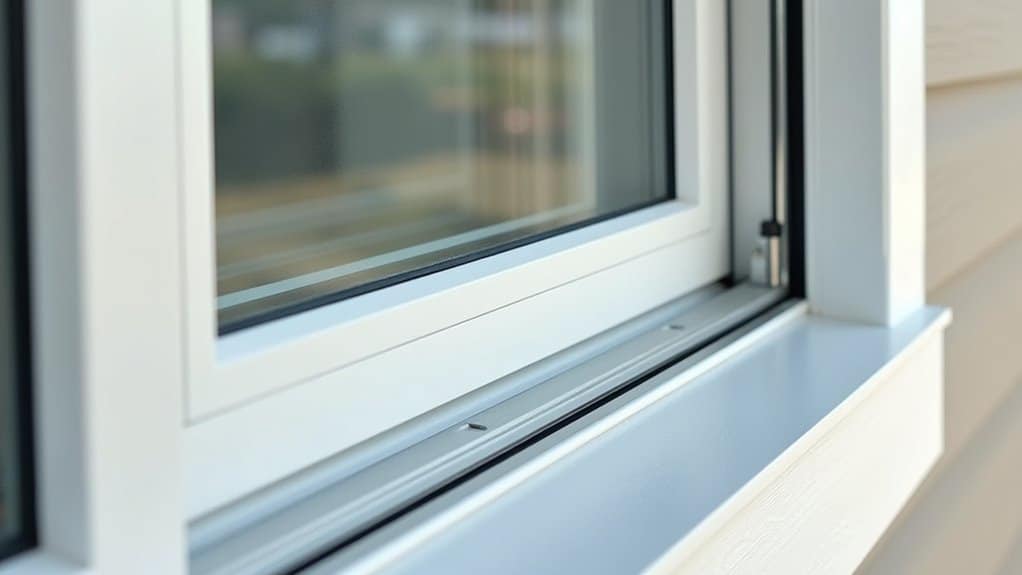
Triple-track storm windows cut heat loss 25% to 50% and double your window’s R-value with three panels that adjust for year-round ventilation.
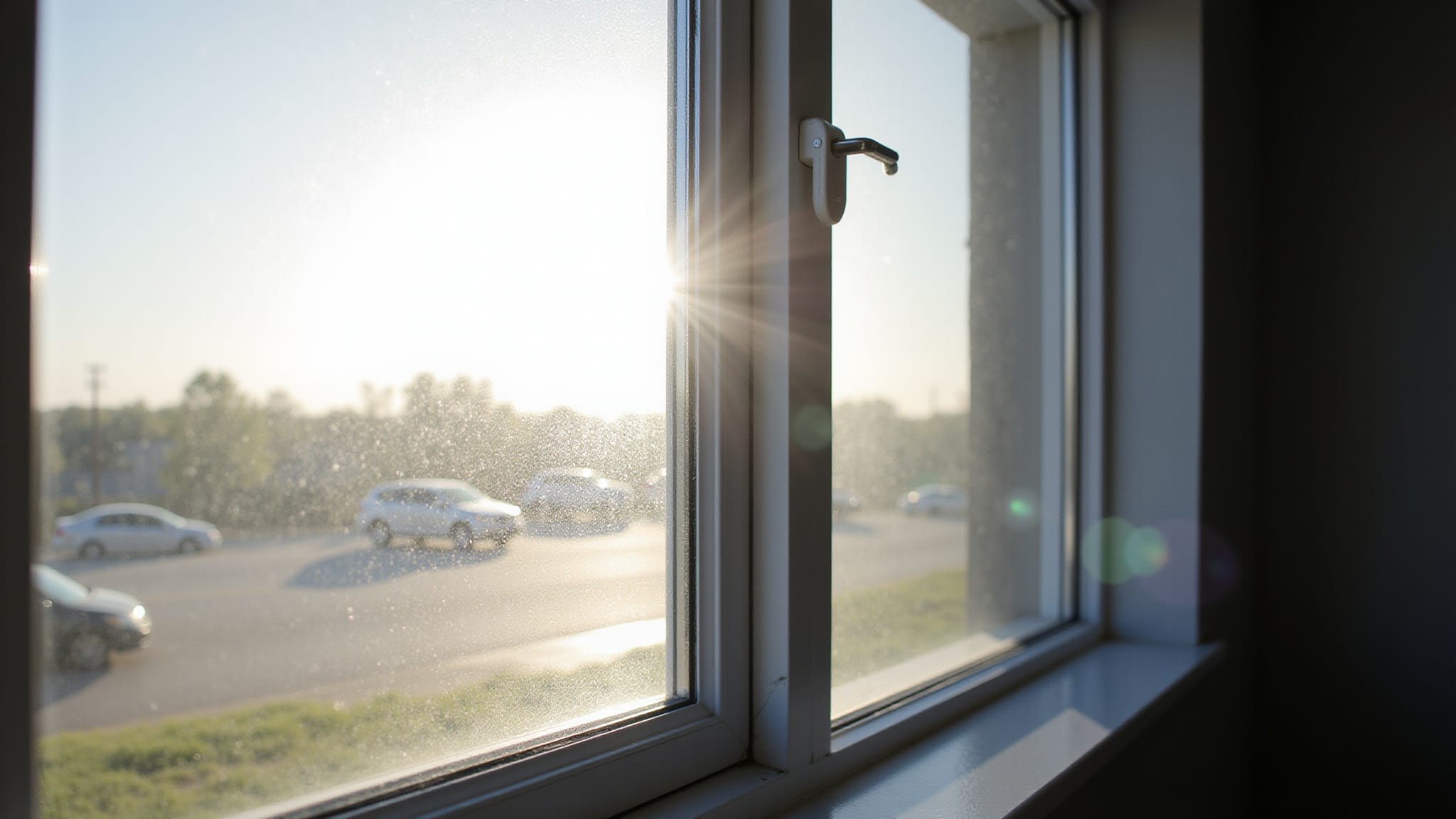
UV blocking storm windows stop up to 99.9% of UV radiation. Learn which coatings and glazing protect your interior from sun damage.
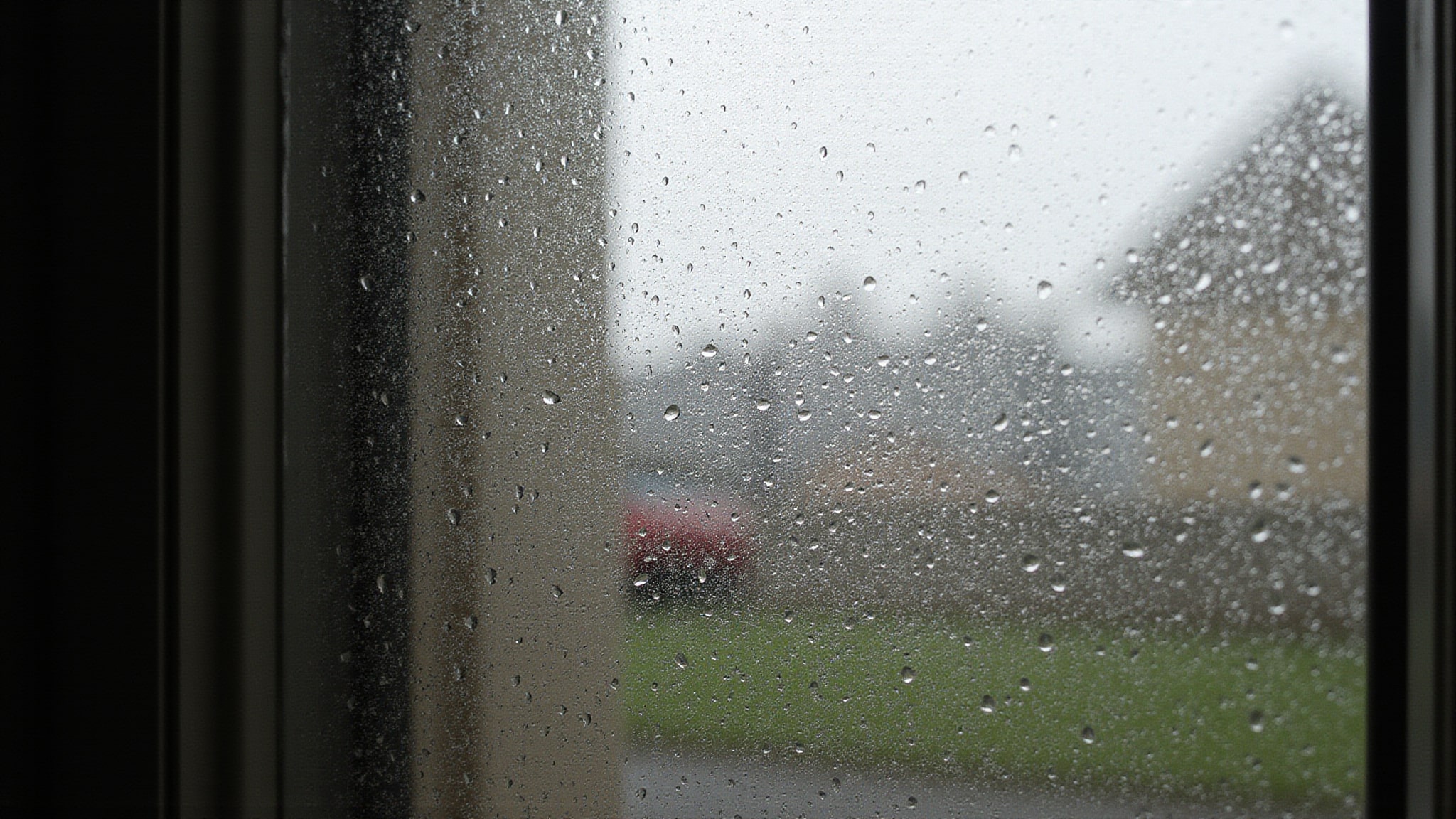
Storm windows control condensation by raising interior glass temperature above the dew point. Learn proper air space, sealing, and placement.
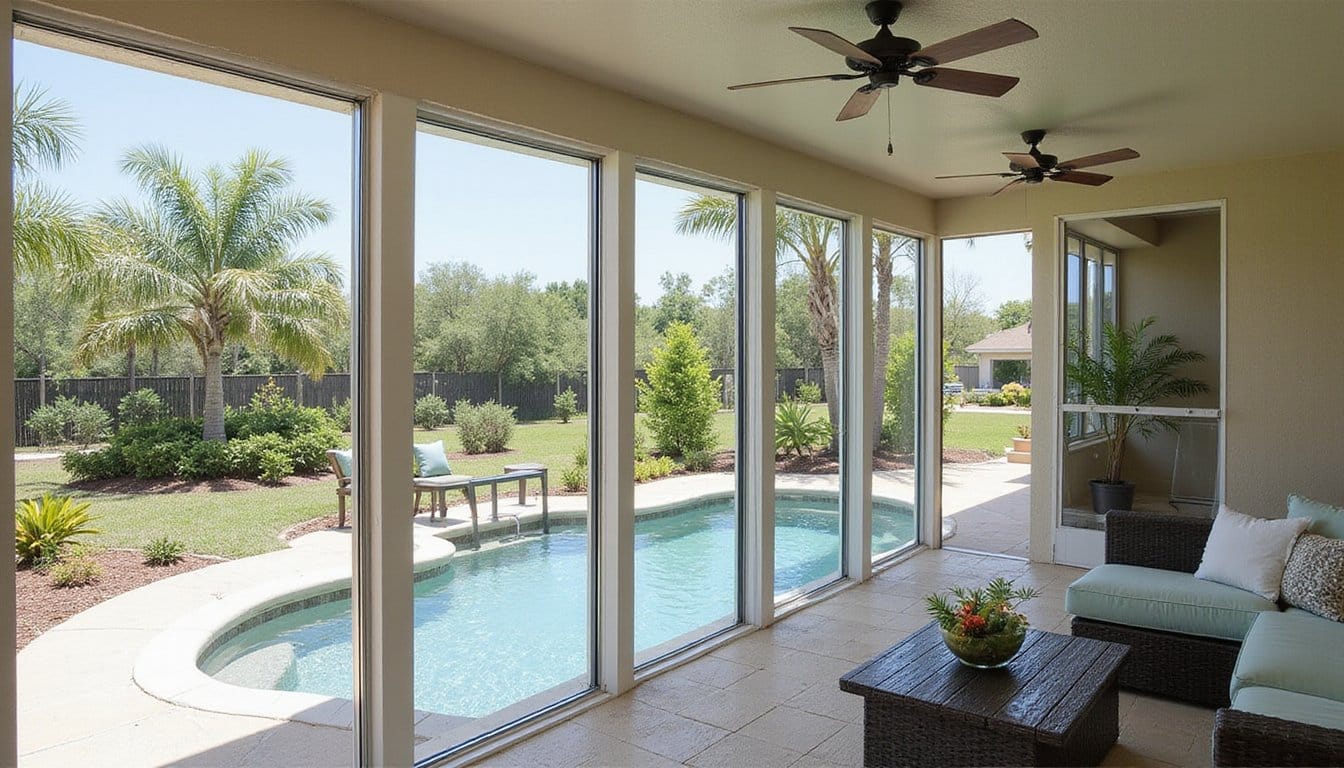
Picking the right lanai enclosure for your Florida home means weighing vinyl, acrylic, and glass, but one material outperforms the rest.
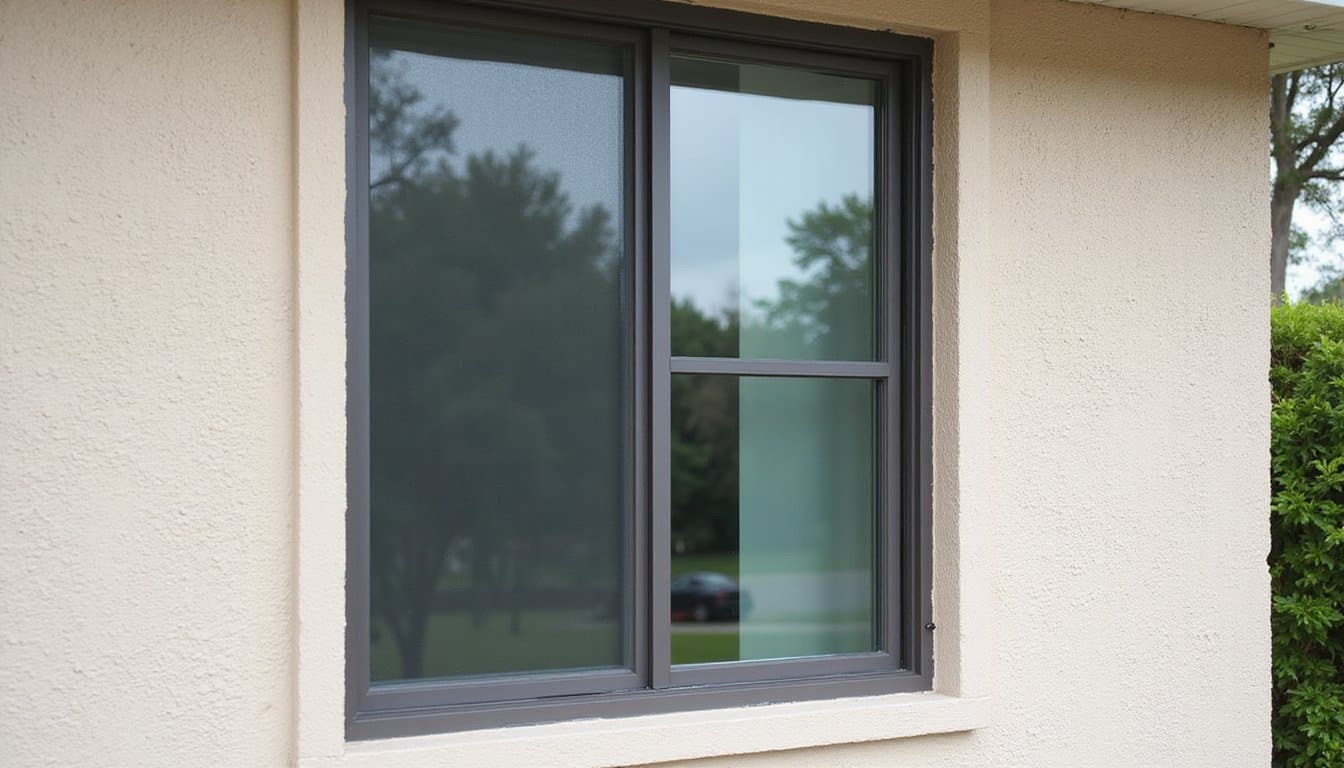
How well do you really understand window labels? U-factor and SHGC numbers reveal more about performance than you’d expect.
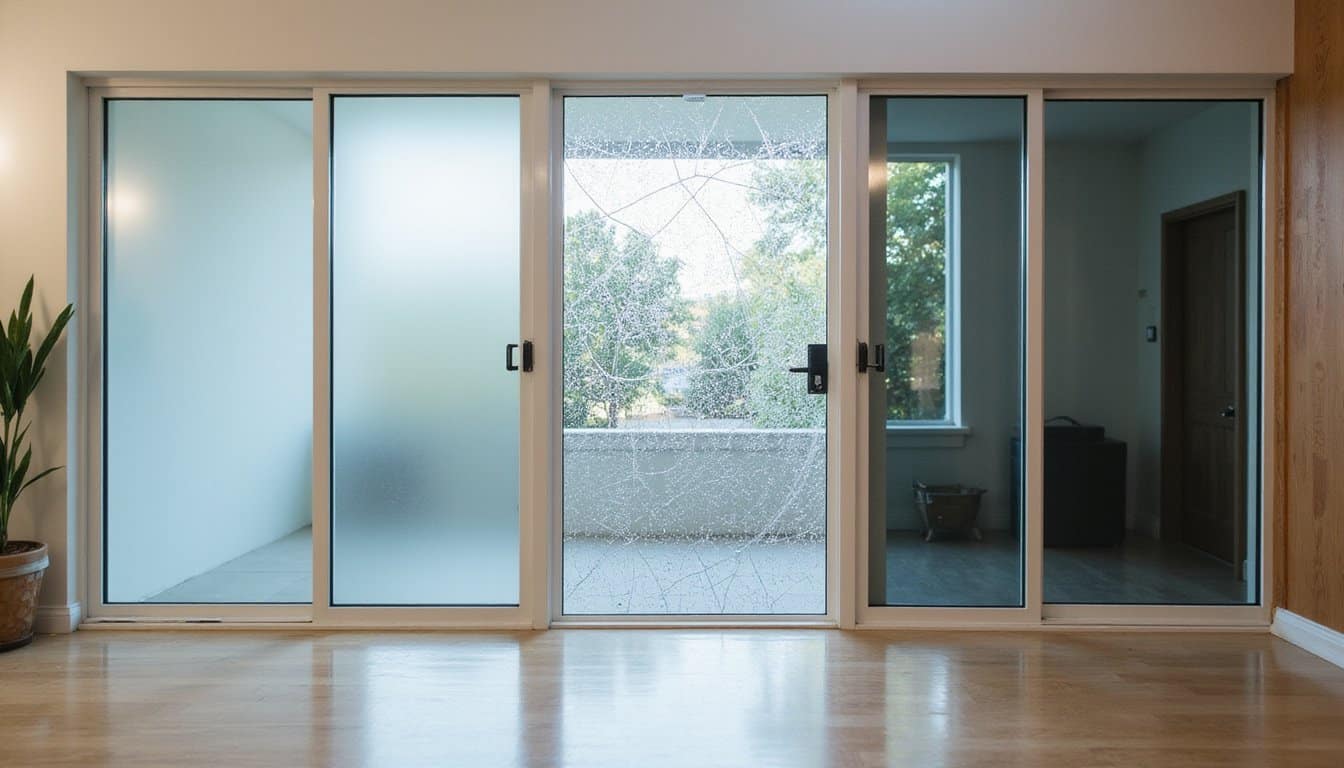
A Florida home’s comfort hinges on the right glass, but choosing between Low-E, laminated, and tinted involves crucial details most homeowners overlook.
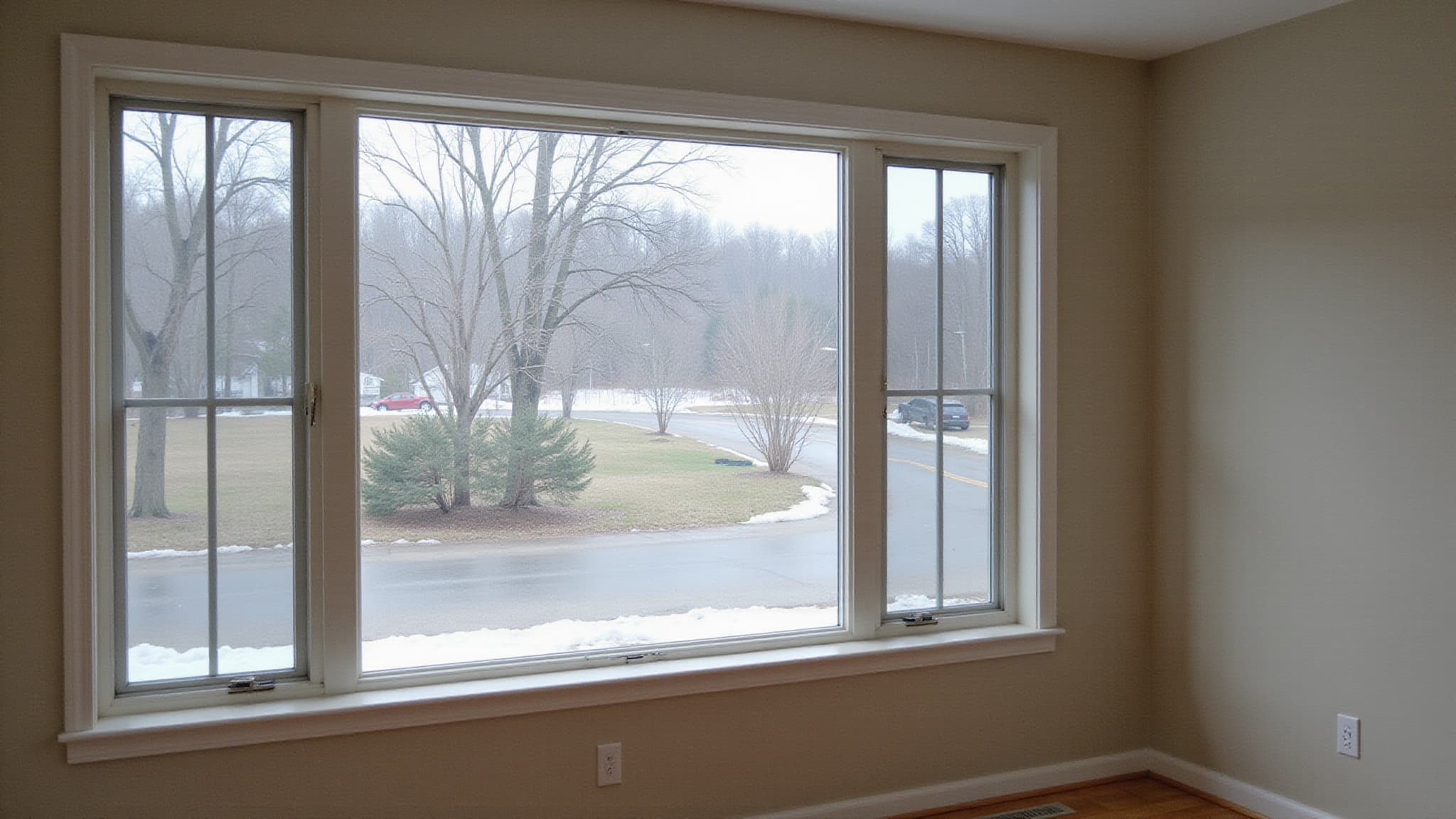
Argon gas windows insulate better than air, cutting U-values 10-15% and lowering heat loss for greater year-round energy efficiency.
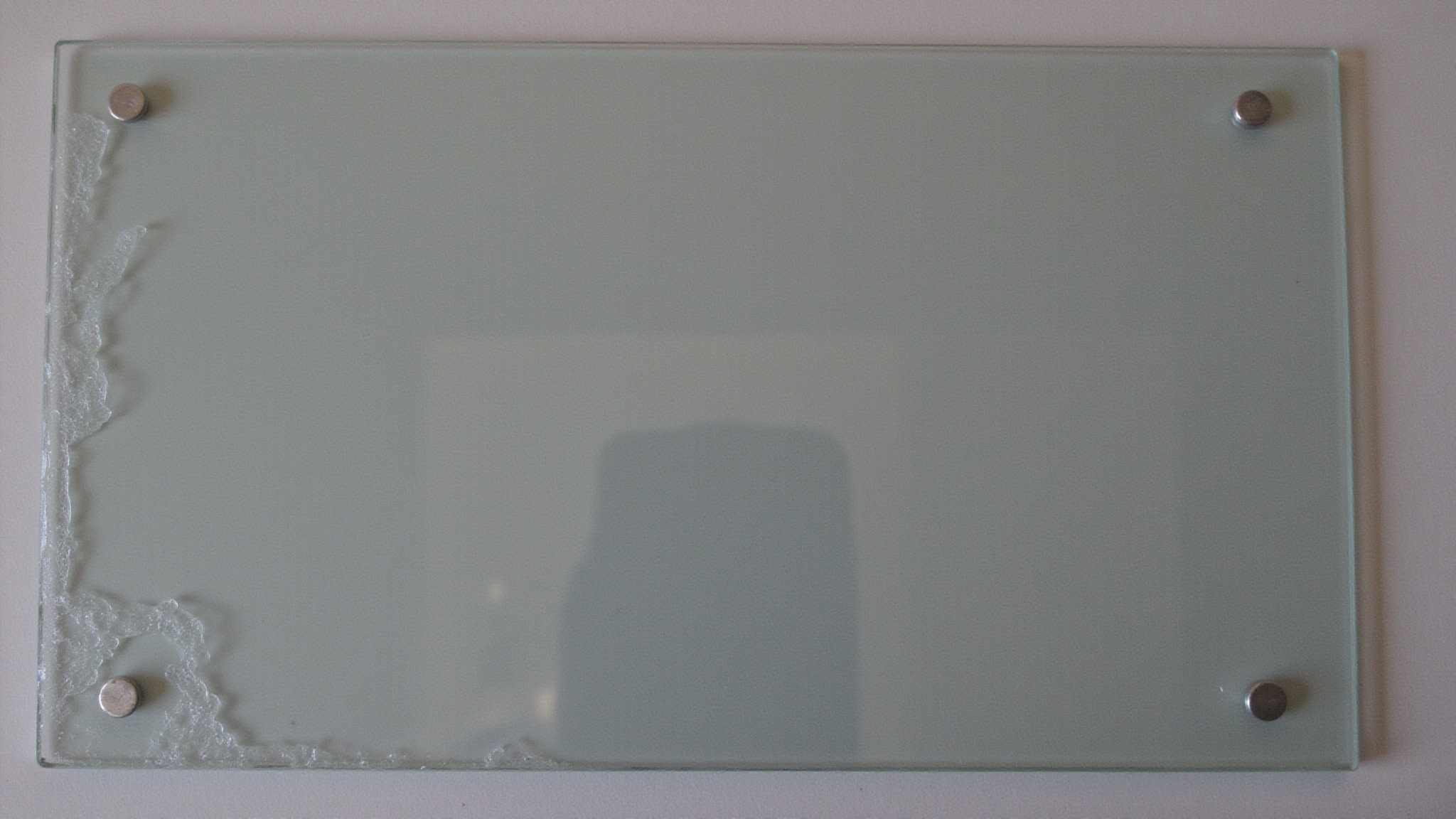
Impact glass vs tempered glass: learn the key differences to choose the right protection for your building.
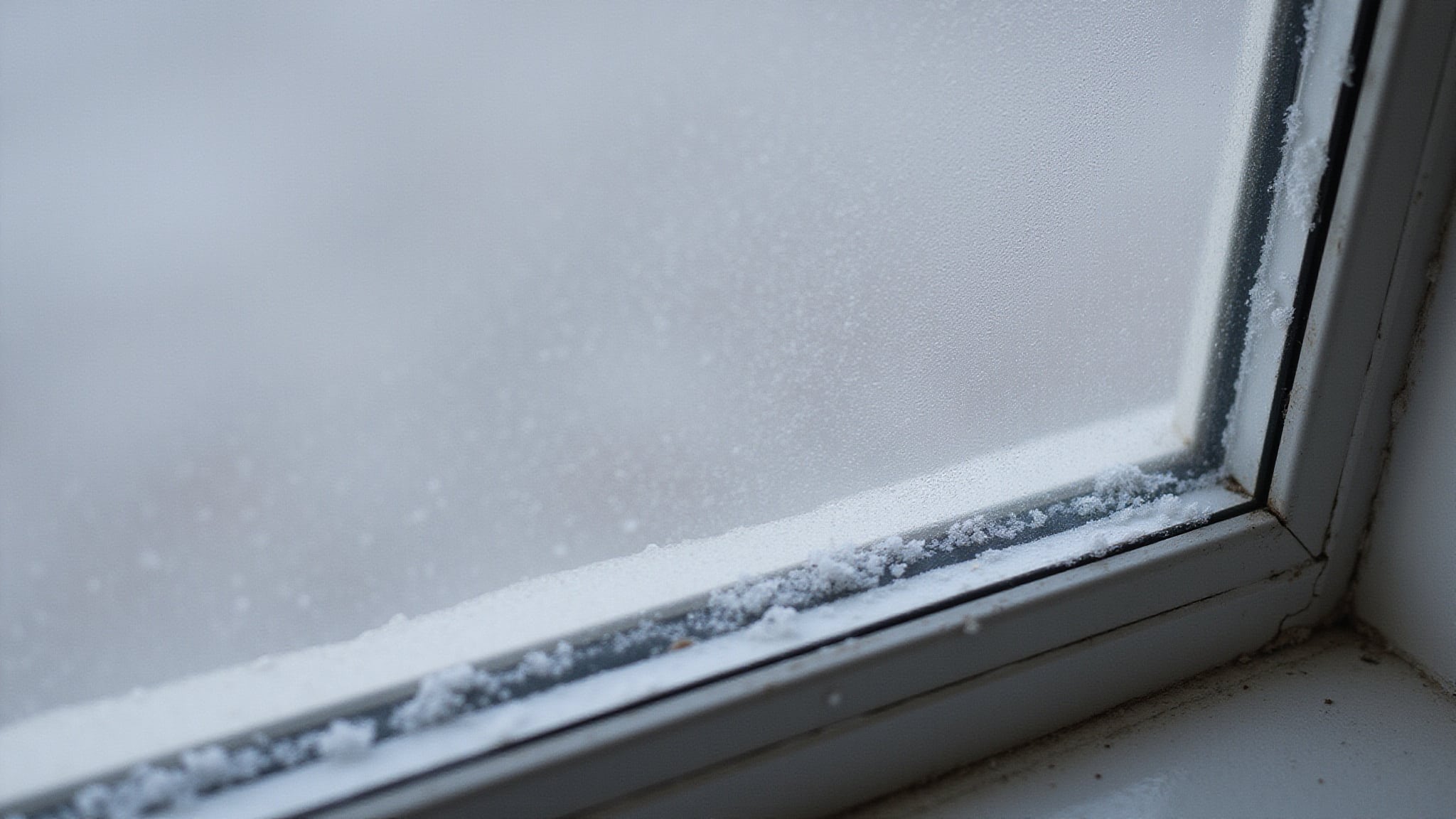
Warm-edge spacers cut window edge heat loss by up to 70% and keep glass edges 6-8°F warmer. Learn how they work.
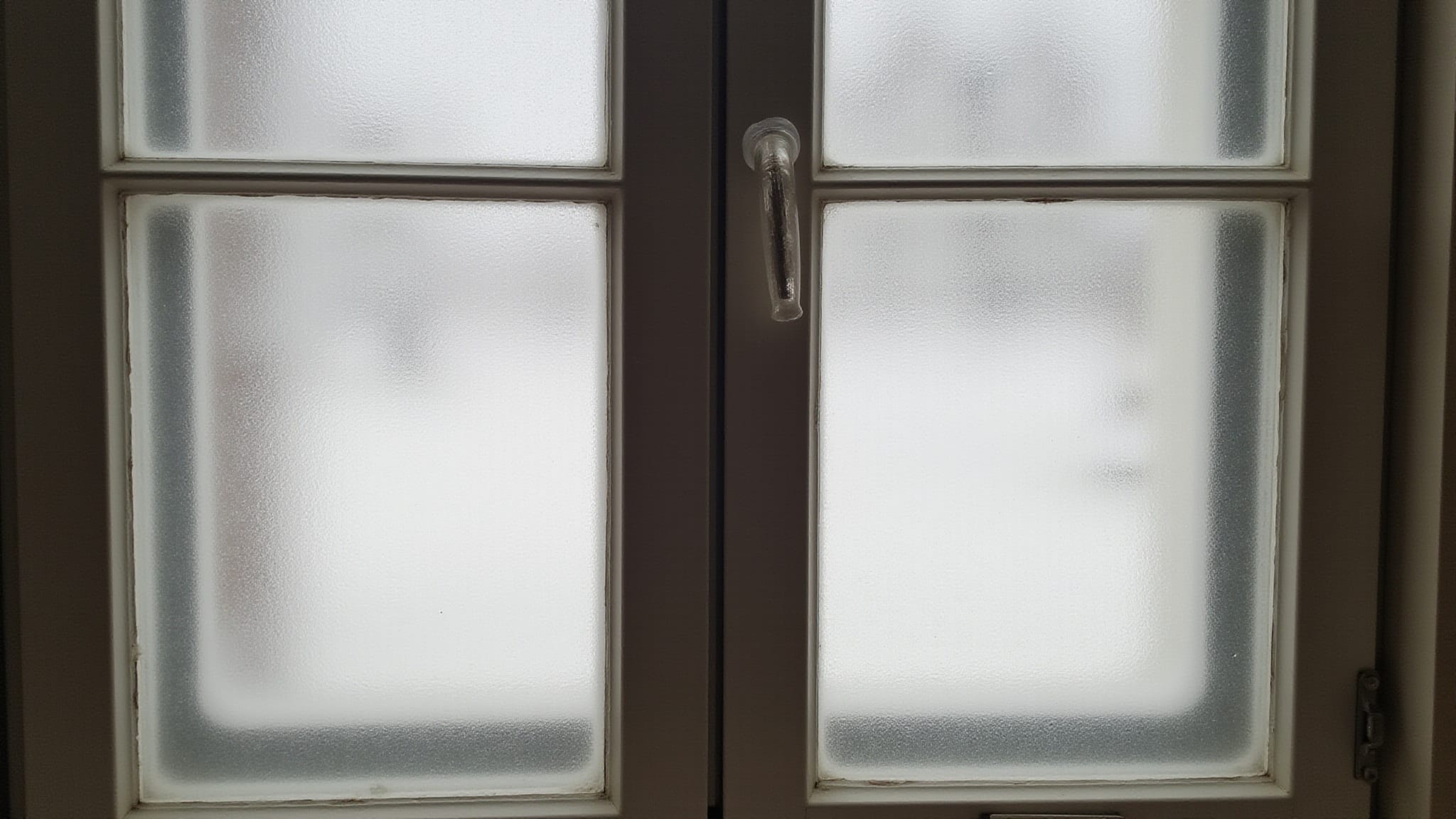
Gas-filled windows fail when seals weaken after 15-25 years. Learn why argon escapes, how insulation drops, and what causes the damage.